


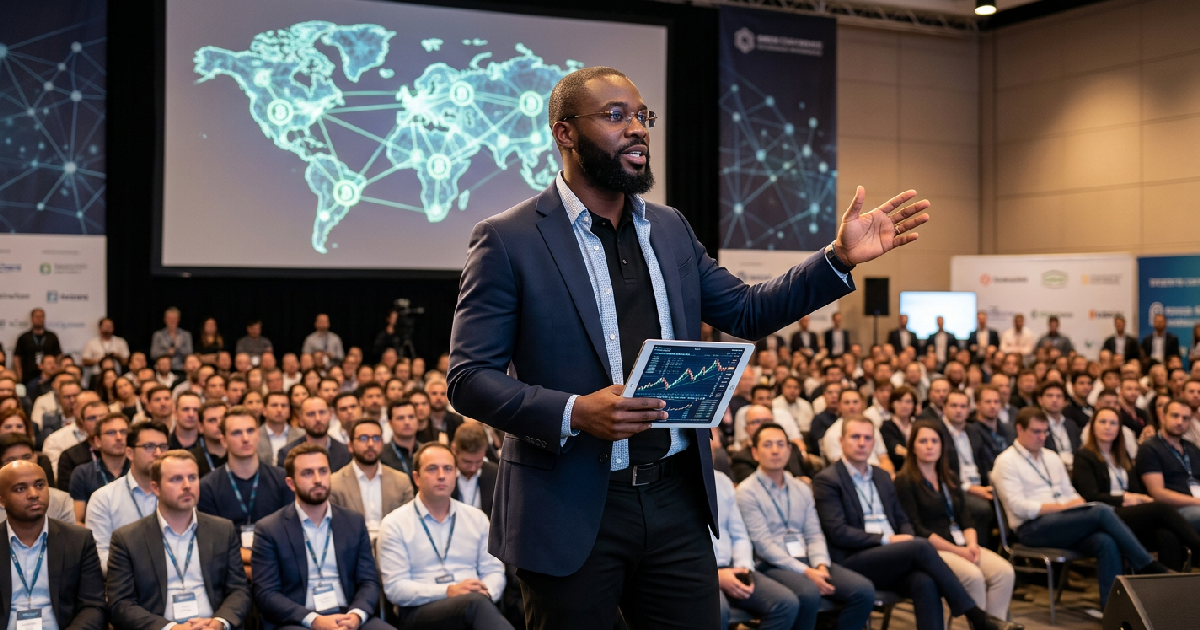
Ernest Nnamdi Molokwu, once a frustrated customer waiting in a long Nigerian bank queue, has emerged as a prominent global advocate for decentralized finance and blockchain technology. Molokwu has transitioned from traditional business sectors to become a key figure in the international digital assets space, championing technology as a solution to the systemic inefficiencies he experienced firsthand. His journey highlights the growing influence of African tech leaders in shaping the future of global financial infrastructure.
The catalyst for this career shift occurred during a typical day in a crowded banking hall. Faced with delays, manual processes, and the rigid limitations of conventional banking, Molokwu began researching alternative financial models. This search led him to the world of distributed ledgers and digital currencies. He realized that the bottlenecks he faced weren’t just personal inconveniences but evidence of a regional need for reliable digital payments infrastructure that could bypass traditional gatekeepers.
Today, Molokwu works to bridge the gap between complex blockchain concepts and everyday utility. His advocacy focuses on how decentralized systems can provide financial inclusion for millions of Africans who remain underserved by the current banking sector. By leveraging his background in business and his technical expertise, he has become a voice for emerging markets at international technology summits and digital asset workshops.
Modernizing African Finance Through Decentralized Tools
Molokwu’s advocacy is rooted in the belief that blockchain is not merely a vehicle for speculation but a foundational tool for social and economic reform. He frequently speaks on the capacity of smart contracts to eliminate the need for middlemen, which often inflate the cost of transactions in West Africa. This push for efficiency mirrors other regional efforts to modernize systems, such as how Enugu State has implemented smart school technology to overhaul its educational framework.
The transition from a bank queue to the global stage required Molokwu to master the nuances of cross-border regulations and technical scalability. He has consistently argued that for blockchain to succeed in Africa, it must move beyond the “hype” phase and address tangible problems like inflation, remittance costs, and identity verification. His work often involves educating entrepreneurs on how to use transparent ledgers to build trust in markets where institutional confidence is low.
Building Local Expertise for a Global Market
A significant portion of Molokwu’s current efforts involves mentorship. He emphasizes that Africa should not just be a consumer of blockchain technology but a developer of it. By fostering local talent, he believes the continent can produce a new generation of engineers capable of competing on the world stage. This vision aligns with the broader rise of African developer relations engineers who are increasingly influencing global technical standards.
He often points out that the scarcity of modern amenities in certain regions acts as a “blueprint” for innovation. When traditional systems fail, the desperation for solutions drives faster adoption of cutting-edge tech. Molokwu is part of a growing movement of Nigerian technologists who see the country’s infrastructure challenges as a laboratory for the next generation of global fintech products.
The Future of Blockchain Advocacy in Emerging Markets
As digital assets face increased scrutiny from regulators around the world, advocates like Molokwu are shifting their focus toward compliance and institutional integration. He maintains that for blockchain to reach its full potential, there must be a harmonious relationship between decentralized protocols and government policy. This balanced approach is intended to protect users while allowing the innovation necessary to drive economic growth.
Looking ahead, Molokwu is expected to deepen his involvement with international think tanks and policy groups. His goal remains unchanged from that first day in the bank line: to create a world where financial access is a seamless, automated right rather than a time-consuming privilege. As the technology matures, his story serves as a reminder that the most significant technological shifts often begin with a single person deciding that the status quo is no longer acceptable.
