


For almost ten years, the story of Africa’s tech scene has mostly focused on digital products like fintech apps and e-commerce platforms that move money and goods. However, in April 2026, things are clearly shifting toward more hands-on, hardware-based innovation.
The ten startups chosen for Qualcomm’s Make in Africa Mentorship Program show that African tech is moving beyond just phone screens and into factories and farms.
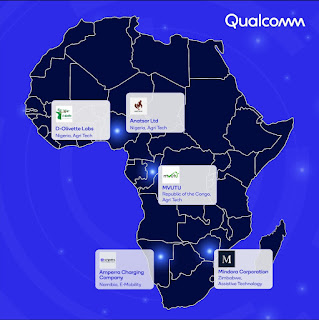
These ten startups stood out from over 1,200 applicants from 45 countries. They represent a new kind of tech (real “hard tech” that goes beyond software). Instead of just coding in cool offices, these companies are creating things like solar-powered automatic fish feeders in Uganda, assistive robots in Kenya, and smart farming systems in Nigeria.
Qualcomm’s support is not about the next popular app; it’s about building tools that help people survive and thrive every day.
A common thread among this group is the focus on Edge AI. Many places in Africa don’t have reliable, fast internet, so these startups make devices that can think and work on their own, without needing to be online all the time.
For example, QualiKeeper in Zambia and SafeSip in Tanzania build sensors and smart probes that process data right on the spot, not in a distant data center. This approach fits the local environment perfectly; it’s advanced technology made to keep working even when the power goes out.
One often overlooked but important part of Qualcomm’s program isn’t just the funding or technical advice, it is the focus on protecting ideas legally. African innovators have solved many local problems but often lose control of their inventions when big companies copy or outmaneuver them with patents.
See here: Piramal and Ajinomoto partner on ADC manufacturing reach
This year, the program is helping startups like Ghana’s Sesi Technologies and Nigeria’s D-Olivette Labs file patents and get expert legal help. This means these founders can keep ownership of their inventions as they grow, protecting their creativity and value at home.
From Zerobionic’s assistive robots to Amperra Charging’s AI-powered electric vehicle platforms in Namibia, this group shows Africa is ready to design and make its own tools. They’re closing the loop by solving local challenges with local hardware, backed up by local patents.
As these ten startups move through their mentorship, the impact goes well beyond a simple demonstration event at the end of the year. They’re setting the stage for a version of African science and technology that’s independent, rooted in industry, and ready to get noticed worldwide.
