


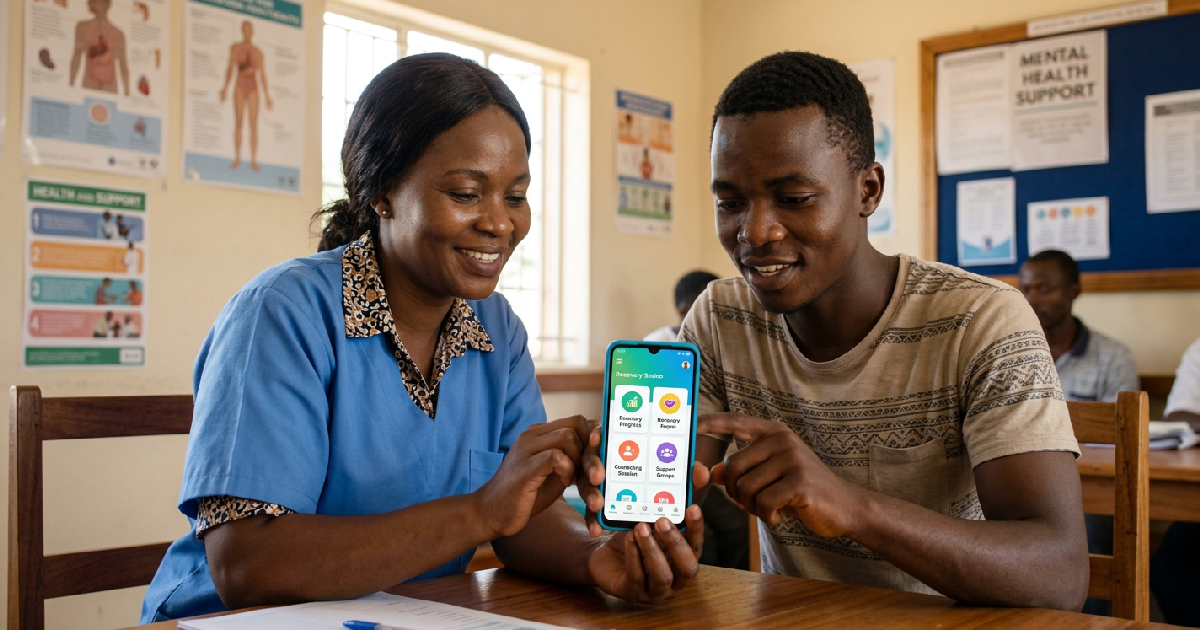
Healthcare providers across the continent are increasingly integrating mobile technology into addiction recovery frameworks to address the specific challenges of substance abuse and behavioral compulsions in African communities. By leveraging the high penetration of smartphones, organizations are offering a bridge between traditional inpatient rehabilitation and the long-term maintenance required for a sober lifestyle. Experts suggest that while every individual’s path to recovery differs, the portability and 24/7 accessibility of mobile applications are helping to reduce the barriers to professional care, particularly in regions where physical rehabilitation centers remain sparse.
The shift toward digital health solutions comes as the continent grapples with a wide range of dependencies, from substance use disorders involving cocaine and alcohol to behavioral addictions like gambling. Because recovery is a non-linear process, these digital tools serve as constant companions for those transitioning out of residential care or for those managed through outpatient programs. The goal isn’t necessarily to replace human intervention but to supplement it through real-time support mechanisms that were previously unavailable outside of a clinical setting.
Integration of Mobile Apps in Inpatient and Outpatient Recovery
Addiction recovery on the continent typically follows two primary paths: inpatient and outpatient care. Inpatient or residential rehab remains the standard for severe substance dependencies, providing around-the-clock specialized monitoring. In these environments, technology is being used to tailor detoxification protocols and therapeutic activities. For example, some modern centers are deploying digital interfaces to track patient progress and encourage creative engagement, which has been shown to potentially lower cravings during the high-risk early stages of sobriety.
Outpatient care, which is often more accessible for those struggling with behavioral addictions like internet use or shopping, benefits even more directly from mobile integration. Since patients remain in their homes and communities, they are often exposed to the very triggers that fueled their addiction. In this context, the African IoT sector expands through industrial connectivity, and this broader digital foundation allows for more robust remote monitoring of patients. Mobile apps provide a safety net, offering immediate intervention points during a crisis and ensuring that therapy sessions can continue via video calls even when physical travel is impossible.
Specific Digital Tools for Long-Term Sobriety
What makes mobile applications effective in this space is their ability to gamify and track progress through tangible metrics. Many African recovery programs are now adopting apps that include sobriety calendars and checklist features. These tools allow individuals to mark milestones, providing a psychological boost and a sense of accomplishment that is critical for maintaining motivation over months or years.
Beyond simple tracking, mental health is a core focus of these digital platforms. Apps often include built-in mindfulness exercises, daily affirmations, and guided breathing sessions designed to help users manage stress before it leads to a relapse. This proactive approach to mental wellness mirrors developments in other sectors, such as how Ijeoma Eti addresses overlooked AI infrastructure faults, where the focus has shifted toward building trust and security into the systems people rely on daily.
Emergency Interventions and Community Support
The most critical feature of many emerging recovery apps is the “panic” or emergency contact function. When a user experiences an intense craving or a trigger, these apps can immediately alert a designated support network—whether that consists of family members, a sponsor, or a professional counselor. This immediacy is a far cry from traditional methods where a person might have to wait days for a scheduled appointment. Furthermore, the ability to attend virtual group therapy sessions ensures that individuals stay connected to a community, which reduces the isolation that often leads back to substance use.
The Evolving Role of Technology in Public Health
While the study of mobile apps in addiction recovery is still a relatively young field, the potential for scale is significant. The portability of smartphones means that even in rural or underserved areas, a person can access the same guided mindfulness sessions or therapy-focused checklists as someone in a major metropolitan hub. This democratizes access to care in a way that physical infrastructure alone cannot match.
However, practitioners emphasize that technology must remain person-centered. If a specific app or digital routine causes more stress than relief, it is often discarded in favor of more traditional methods. The success of these tools depends heavily on the underlying digital infrastructure. Just as Africa digital payments must shift focus to infrastructure reliability to ensure financial stability, the digital health sector requires consistent connectivity and data security to maintain the trust of vulnerable individuals in recovery.
The path forward involves a hybrid model where local health services act as the primary gateway. Patients are encouraged to speak with health professionals or addiction referral services to find the right balance of physical and digital care. As more data becomes available on the efficacy of these apps within localized African contexts, the integration of software into standard medical practice is expected to become the new benchmark for addiction treatment across the continent.
