


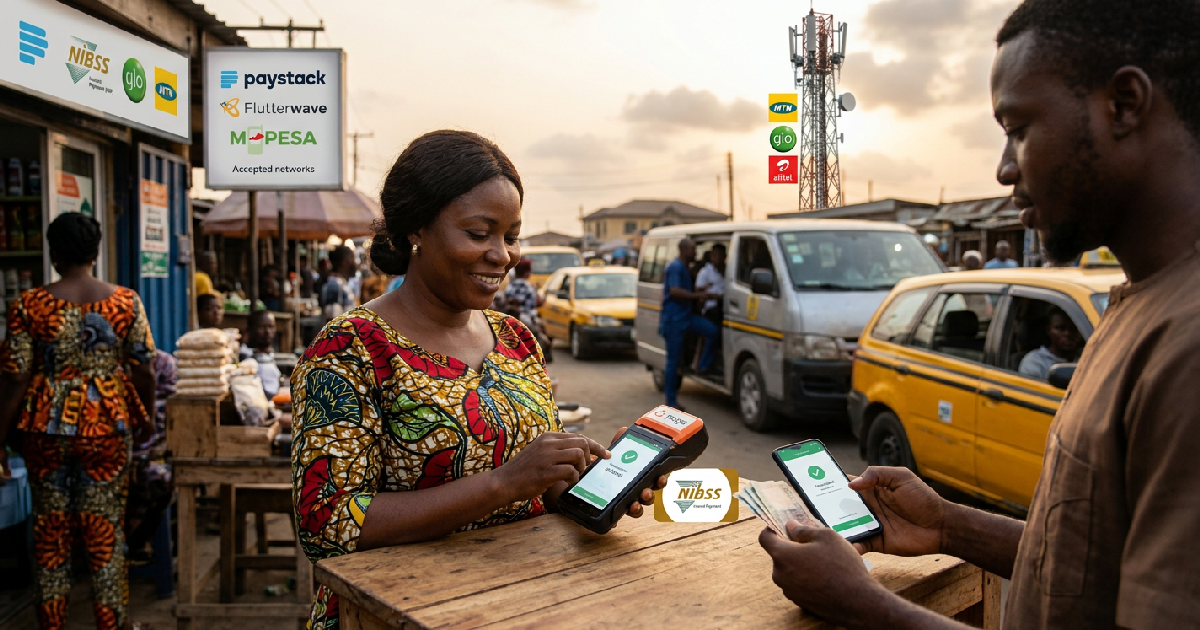
For over a decade, the narrative of African fintech has been defined by a rapid transition toward digital-first finance. By bypassing the era of widespread credit card adoption in favor of mobile-based solutions, the continent established a unique technological identity. Millions of consumers who once relied almost exclusively on cash now manage bills, groceries, and remittances through mobile devices.
But as this digital economy matures, the initial surge of connectivity is being met by a more pressing demand: systemic reliability. With digital payment volumes reportedly expanding at a significant pace over the last few years, the underlying architecture of these transactions is facing substantial strain. Systems originally designed for a burgeoning startup environment are now required to support the heavy requirements of enterprise-scale trade.
This transition from a growth-focused phase to one centered on stability represents a major hurdle for regional financial infrastructure. When a system handles a massive volume of annual transactions, even a temporary glitch is no longer just a localized inconvenience. It becomes a systemic risk that can disrupt regional commerce within minutes.
Transitioning from connectivity to essential infrastructure
In the early stages of the fintech expansion, the primary objective was financial inclusion. Success was often measured by the sheer volume of new digital wallets or the physical reach of agent networks. Today, the stakes have evolved. Digital payments are no longer merely an alternative to cash; they serve as a primary engine for economic activity. Consequently, payment failures now carry heavier consequences for both small-scale vendors and large corporations.
A persistent challenge in the current environment is the complexity of various payment channels. When a transaction moves through multiple intermediaries—shifting from a mobile wallet to a bank gateway and finally to a merchant’s ledger—identifying a failure point can be a complex task. For a business, understanding the status of funds is a matter of managing working capital and maintaining operations.
As businesses scale, they require more than the ability to accept money. They need sophisticated tools for reconciliation and high levels of system availability. This is particularly evident in sectors like logistics and manufacturing, where integrated supply chains rely on consistent financial data to maintain momentum. If the payment layer experiences lag, the physical movement of goods can be delayed accordingly.
The challenge of redundancy in mobile ecosystems
Mobile money remains a dominant force, yet its architecture is frequently siloed within individual telecommunications providers. While interoperability has improved significantly, the “fail-safes” for these systems are still being refined. Unlike traditional banking systems in older markets, which have had many decades to establish redundant clearinghouses, many African markets are developing these safety nets while the systems are already operating at high capacity.
Building for long-term reliability requires a move toward high-availability systems. Industry experts suggest several areas for improvement:
- Standardized API Documentation: Ensuring that diverse financial platforms can communicate effectively without data loss during peak usage periods.
- Automated Dispute Resolution: Moving away from manual processes to resolve failed transactions, which often create friction for the user.
- Regional Routing Hubs: Reducing the necessity for complex international routing for trade within the continent.
The objective is to ensure that if one node in the network fails, transactions can be rerouted with minimal disruption. This level of technical sophistication is considered essential for the digital economy to meet its long-term growth projections in the coming years.
Preparing for an enterprise-grade digital future
The roadmap for the near future is defined by the need for institutional-grade stability. It is no longer sufficient for platforms to be merely innovative; they are increasingly viewed as essential utilities. Regulatory bodies across various markets are beginning to place higher demands on fintech providers, often requiring more rigorous audits of backend systems and transparent reporting on system availability.
Investment trends are also shifting. While the narrative of banking the unbanked was the primary driver of capital for years, a new wave of funding is reportedly flowing toward “infrastructure-as-a-service” providers. These firms focus on the deep-tech layers intended to make payments more resilient and cost-effective. Just as the partnership between Piramal and Ajinomoto focuses on specialized infrastructure for complex production, the African tech sector is entering a phase where specialized, stable infrastructure is the priority.
The coming years will likely see a consolidation of the market as technical standards rise. Providers that cannot meet the increasing demands for reliability may find it difficult to compete, while those who invest in resilient, enterprise-grade architecture are expected to lead the next phase of commerce. The initial “leapfrog” brought digital finance to the forefront, but engineering resilience is what will determine its long-term sustainability.
