


With a renewed emphasis on luring significant industrial investments, promoting knowledge transfer, and expanding local production capacity across key industries, Egypt is intensifying its attempts to establish itself as a significant manufacturing hub for Africa.
Hussein Eissa, the deputy prime minister for economic affairs, recently reaffirmed the government’s commitment to bolstering the nation’s investment climate with incentives meant to promote industrialization and attract high-value international manufacturers.
See here: Egyptian Billionaire Mohamed Mansour Breaks Ground on $150 Million Eco-Vehicle Plant
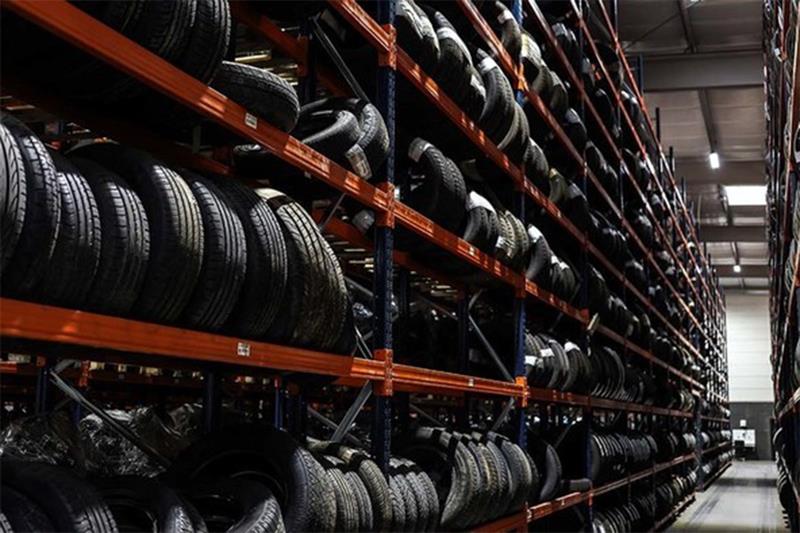
He made the statements while speaking with officials from China National Tire & Rubber Co. Ltd., one of China’s leading tire manufacturers and a vital global participant in the automotive supply chain.
The conversations focused on the company’s aspirations to grow its presence in Egypt and possibly utilize it as a springboard for larger African activities.
Eissa welcomed the interest, characterizing it as consistent with Egypt’s long-term objective of localising sophisticated sectors, reducing import dependency, and increasing export capability.
The deputy prime minister also highlighted Egypt’s emerging economic engagement with China, stating that both nations are more focused on industrial collaboration rather than commerce, the Egypt Independent reports.
Across Africa, governments are stepping up efforts to strengthen industrial bases as part of larger economic diversification policies.
From automobile components in North Africa to assembly facilities in East and West Africa, the continent is rapidly moving away from raw material exports and toward value-added manufacturing.
Eissa emphasized that tire production, in particular, plays an important role in supporting several industries such as car assembly, logistics, construction, and transportation.
He added that increasing domestic output will reduce dependency on imports while boosting supply chain resilience throughout the area.
Egypt claims it is well-positioned to serve as a regional manufacturing hub, noting its strategic location between Africa, Europe, and the Middle East, as well as modern infrastructure, developing logistical networks, and access to several free trade agreements that provide access to global markets.
