


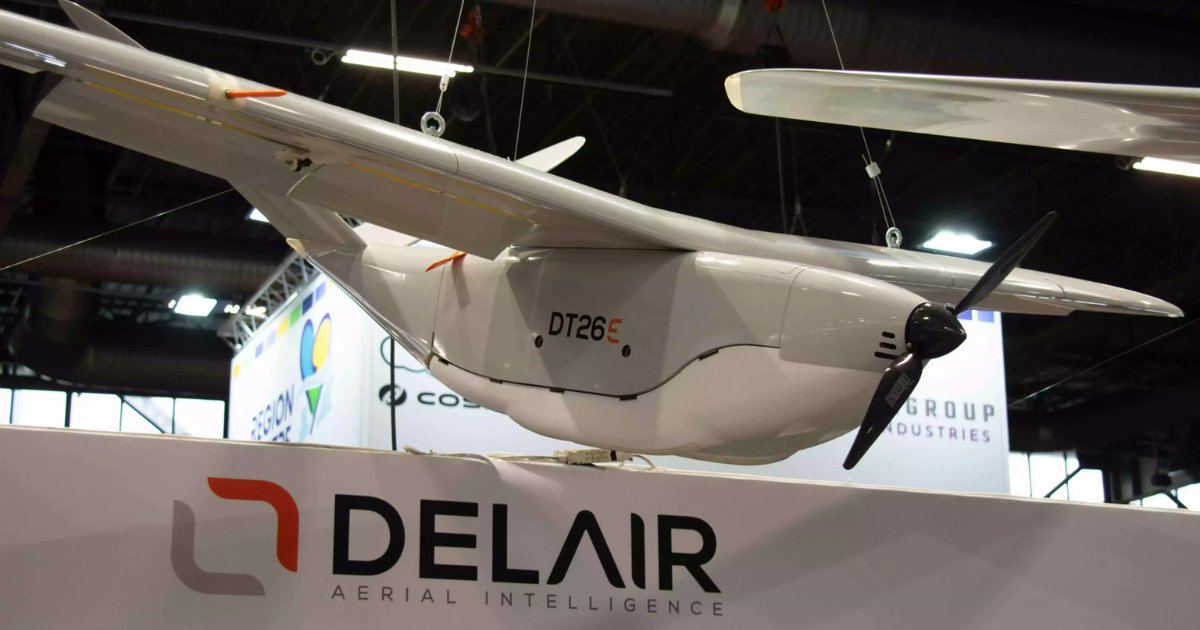
Delair, a French drone manufacturer, aims to expand its industrial footprint in Africa by establishing its continental headquarters in Rabat, Morocco, and launching a regional subsidiary, Delair Africa.
Beyond market development, the move indicates a strategy change toward regional production, assembly, and technical support capabilities throughout the continent.
The company, which specializes in the design and manufacture of unmanned aerial vehicles (UAVs), sees its Moroccan location as a hub for industrial operations such as drone assembly, maintenance, and prospective component integration.
Delair’s goal in expanding closer to end users is to eliminate supply chain delays, lower logistical costs, and enhance turnaround times for clients in Africa’s burgeoning defense and industrial sectors.
Delair’s expansion draws on almost a decade of experience in African markets, including Nigeria, Niger, and Côte d’Ivoire.
However, the formation of a regional base marks a shift away from export-led operations and toward a more integrated manufacturing and servicing strategy.
This strategy is consistent with broader trends across the continent, in which governments are increasingly prioritizing domestic manufacturing and value addition over imports.
Morocco’s rise to prominence as a preferred tourist destination reflects the country’s expanding industrial capabilities, North Africa Post reports.
The government has made significant investments in aerospace and defense manufacturing infrastructure, resulting in an ecosystem that promotes advanced production, a skilled workforce, and supply chain integration.
Its use of drone technology for surveillance and security operations boosts domestic demand, establishing a solid foundation for localized manufacturing activity.
See here: Skypixels made-in-Nigeria drones take the spotlight in groundbreaking aerial display
The expansion corresponds with increased defense and technical collaboration between Morocco and the United States, which includes plans for a regional drone training center.
Such activities are planned to supplement manufacturing efforts by increasing technical competence, personnel capacity, and operational knowledge, all of which are critical for the UAV sector’s long-term industrial success.
For manufacturers like Delair, closeness to customers and training infrastructure opens up chances to connect production with after-sales services such as repairs, upgrades, and system optimization.
This not only improves product lifecycle management but it also promotes the growth of a more resilient and responsive manufacturing ecosystem.
While the financial details of the investment have not been publicized, Delair’s decision demonstrates growing trust in Africa’s manufacturing potential in high-tech industries.
