


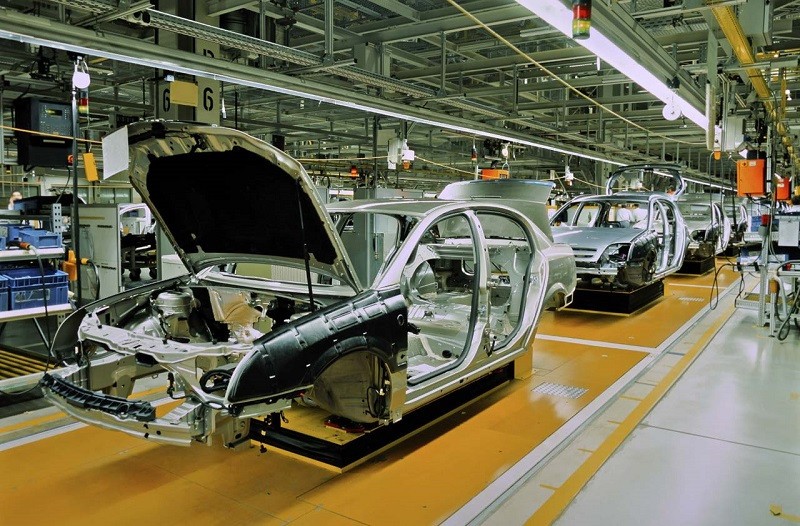
With a manufacturing milestone of one million cars in 2025, Morocco has overtaken South Africa to become Africa’s top automaker.
Africa’s automotive sector has changed dramatically as a result, with South Africa, long seen as the leader, struggling with stagnant output and energy limitations.
South Africa’s vehicle manufacturing figures
With total vehicle sales reaching 596,818 units in 2025, a 15.7% rise from 2024, South Africa’s automotive sector expanded somewhat in 2025, with around 408,224 units purchased domestically.
See here: Morocco is investing billions into replicating the success of Africa’s largest port
South Africa was unable to keep up with Morocco’s quickly increasing output despite this expansion.
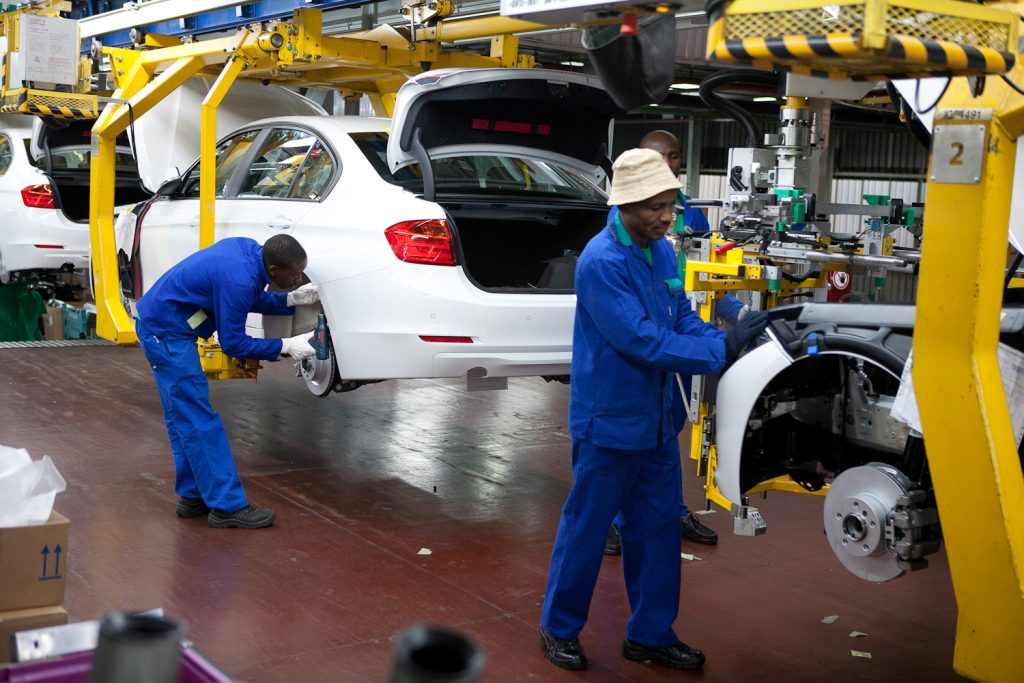
South Africa’s automotive industry has also had structural challenges, such as energy shortages caused by Eskom’s dependency on fossil fuels, frequent load-shedding, and rising operational expenses.
Furthermore, geopolitical concerns with key markets such as the United States and the European Union have created uncertainty for firms that rely on established export channels.
In contrast, Morocco’s automobile output would reach 1 million units by December 2025, up 79% from 559,645 in 2024.
The North African country has clearly surpassed South Africa in terms of output and export potential as a result of its rapid growth.
Morocco’s vehicle manufacturing growth
Over the past 15 years, Morocco has transformed into an automotive powerhouse.
In 2010, the country had virtually no vehicle exports, but strategic foreign investment and government incentives have fueled rapid growth.
Global automakers, including Renault and Stellantis, established major production facilities, while tax incentives and free-trade agreements with the EU, US, and China strengthened Morocco’s manufacturing ecosystem.
Additionally, Morocco is becoming a major African hub for the production of electric vehicles (EVs).
The nation started manufacturing the Opel Rocks-e EV in 2021, and in January 2026, Neo Motors will introduce the Dial-E, the first entirely domestically designed electric car.
Morocco is now Tesla’s first African market, demonstrating the nation’s expanding contribution to the manufacturing of clean-energy vehicles.
In contrast, tax incentives for EV manufacture are only scheduled to start in March 2026, and South Africa has not yet produced a completely electric vehicle domestically.
Due to high prices and worries about electrical reliability, consumer adoption of EVs is still modest.
