


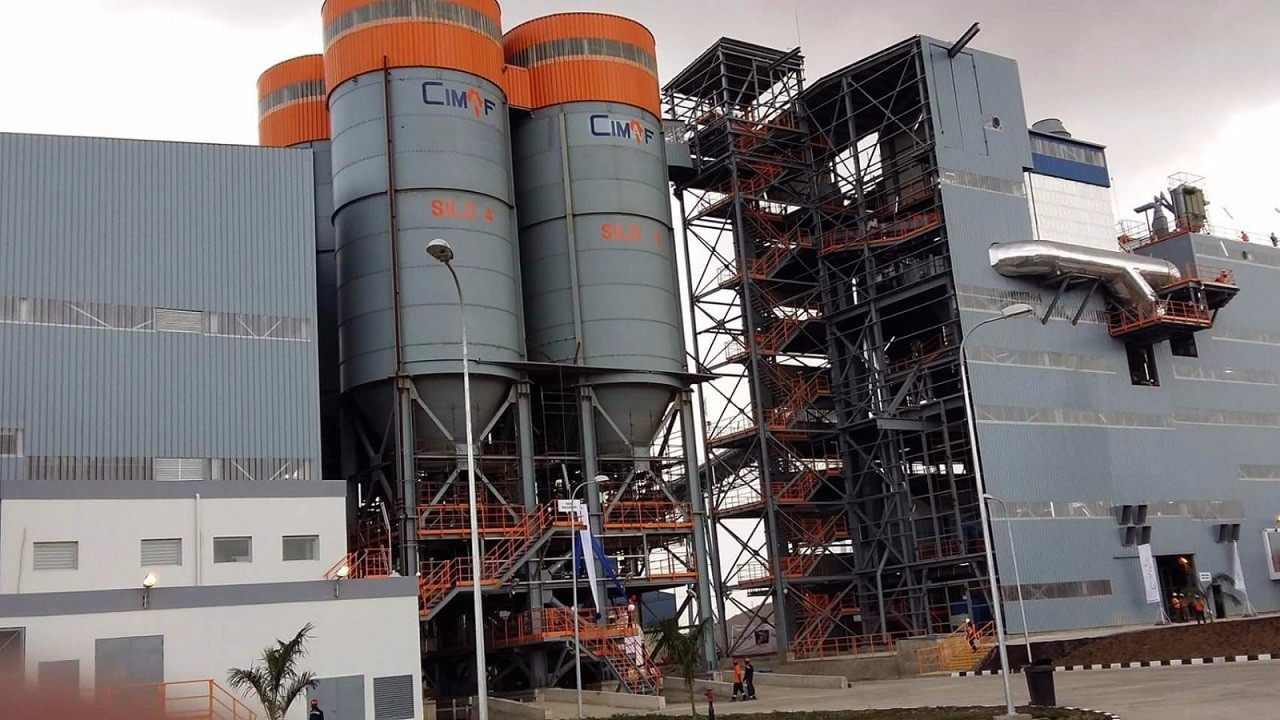
In an attempt to capitalize on growing building demand and a regional move toward local manufacturing, the Moroccan cement manufacturer (Ciments de l’Afrique), CIMAF, has invested more than $45 million to expand production capacity in Gabon.
A third production line at CIMAF’s Owendo facility, which is close to Libreville, and a notable increase in clinker output, a crucial component in the manufacturing of cement, are the cornerstones of the development.
The cost and quality of cement are determined by the semi-processed material, and CIMAF intends to make it locally in order to lessen dependency on imports while increasing efficiency and supply stability.
CIMAF chief executive Anas Sefrioui formally presented the investment to Gabon’s leadership in Libreville, highlighting the project’s strategic relevance to both the company and the country.
On the other hand, Gabon plans to impose a ban on clinker imports beginning in 2027 as part of a larger industrial policy drive following the country’s political transition in 2023.
The goal is to boost home output, reduce foreign dependency, and keep more value inside the local economy.
Increased local clinker production allows the company to better control costs, avoid supply chain interruptions, and limit susceptibility to volatile global commodity prices, which have recently upset the building sector in recent years.
Production capacity is predicted to reach around 1.85 million tonnes per year, well above the country’s estimated domestic consumption of approximately 900,000 tonnes.
That surplus paves the way for Gabon to emerge as a regional export powerhouse, serving neighboring Central African markets where infrastructural development drives demand.
The corporation has been progressively retreating from Europe, including the recent closure of its sole cement facility in France, as rising energy costs, regulatory restrictions, and decreasing construction activity make operations less appealing.
Across Africa, the situation is extremely different. CIMAF already works in over ten countries, including Cameroon, the Ivory Coast, Burkina Faso, and Chad, and has established itself as a vital player in the continent’s construction supply chain.
