
Close Menu
Makers

    Subscribe to Updates

    Get the latest creative news from FooBar about art, design and business.

    What's Hot

    From byproduct to benchmark: The policy shift redefining African cashew production

    April 15, 2026

    Zimbabwe’s richest man unveils a tech city he is building, designed for industrialists and experts

    April 15, 2026

    Refiant AI: The South African startup that is making powerful AI run without data centres

    April 14, 2026
    Facebook X (Twitter) Instagram
    Makers Thursday, April 16
    • Send us an email
    Facebook X (Twitter) Instagram LinkedIn
    • Homepage
    • About us
    • News

      Zimbabwe’s richest man unveils a tech city he is building, designed for industrialists and experts

      April 15, 2026

      Scientists use AI and fossilized dinosaur collagen to create Lab-Grown “T-Rex leather” for luxury handbag

      April 9, 2026

      Another African country has joined the ranks of gold manufacturers by inaugurating its first gold refinery

      April 8, 2026

      South Africa to host a Chinese automobile company’s EV production for Africa

      April 4, 2026

      Nigerian manufacturers reveal one of its biggest problems, and how some banks add to it

      April 2, 2026
    • Features
    • Contact
    Makers
    Email us
    Home » China grants world’s first commercial approval for implantable brain-computer interface, beating neuralink to market
    News

    China grants world’s first commercial approval for implantable brain-computer interface, beating neuralink to market

    Ned NwosuBy Ned NwosuMarch 16, 2026No Comments4 Mins Read6 Views
    Facebook Twitter Pinterest Telegram LinkedIn Tumblr Copy Link Email
    Follow Us
    Google News Flipboard
    Share
    Facebook Twitter LinkedIn Pinterest Email Copy Link

    In a major leap for medical technology, China’s National Medical Products Administration (NMPA) has approved the world’s first implantable brain-computer interface (BCI) for commercial use.

    The device, developed by Shanghai-based Neuracle Medical Technology (NMT), is now legally allowed to be sold and used in hospitals to help people with severe paralysis regain control of their hands.

    This approval, announced on March 13, 2026, marks the first time any country has cleared an invasive BCI (a device that sits on or inside the brain to read neural signals) for widespread clinical and commercial application.

    See here: Talksign-1: A look at the tool designed by a Nigerian AI company that lets you hear deaf people

    Until now, similar technologies from companies like Neuralink (U.S.), Synchron (U.S./Australia), and Blackrock Neurotech (U.S.) have only been used in limited human trials or under special permissions, not as approved medical products available to doctors and patients.

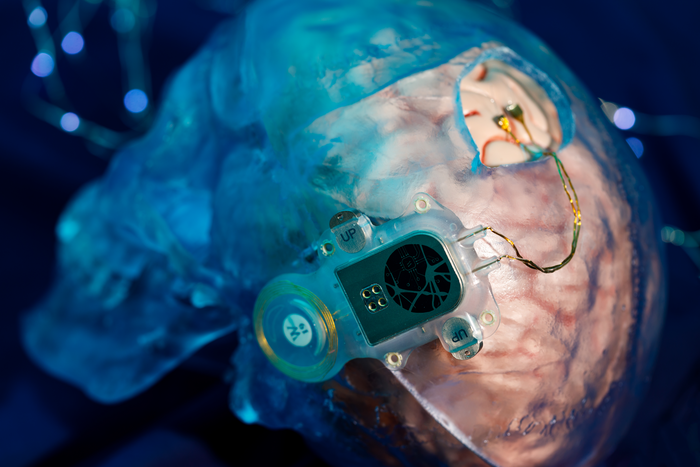
    The Neuracle BCI, called the NEO system, is a small, coin-sized implant placed on the outer membrane of the brain (a minimally invasive procedure compared to deeper implants). It wirelessly reads brain signals related to intended hand movements.
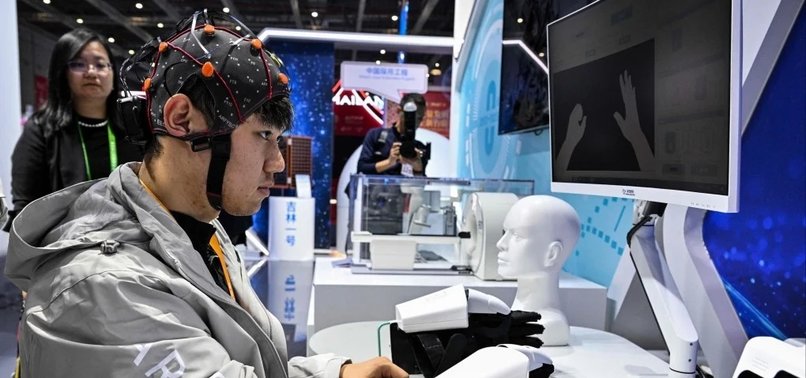
    These signals are sent to an external pneumatic robotic glove worn on the hand. When the patient thinks about grasping or moving, the glove inflates and deflates to help the fingers close or open, allowing actions like holding a cup, using a spoon, or pressing a button.

    The system is designed for adults aged 18–60 who have quadriplegia (paralysis of all four limbs) caused by cervical spinal cord injuries at levels C2–C6 (graded A–C on the ASIA impairment scale). They must have been injured for at least one year and be medically stable.

    In clinical trials involving 36 patients, the device successfully improved hand function and daily living activities without major safety issues reported.

    Brain-computer interfaces have been studied for decades, but turning them into approved medical tools has taken time because of safety, reliability, and regulatory challenges.

    The U.S. Food and Drug Administration (FDA) has approved some BCIs for limited human trials (Neuralink received clearance in 2023 and has implanted devices in a small number of patients), but none have yet reached full commercial status anywhere in the world.

    China’s decision to approve Neuracle’s device first gives the country a clear lead in bringing invasive BCI technology to real patients.

    The approval aligns with China’s national strategy to lead in future industries, including neurotechnology, robotics, and artificial intelligence. It also shows how quickly regulatory bodies can move when a device meets safety and effectiveness standards.

    For patients with spinal cord injuries, this technology could restore basic hand movements sooner than waiting for deeper or more experimental implants.

    Globally, it raises important questions: How will other countries respond? Will faster approvals in one nation push others to speed up their own reviews?

    And how will this technology be made available and affordable in regions with high rates of spinal injuries, such as many parts of Africa, Asia, and Latin America, where road accidents and falls are common causes of paralysis?

    While the Neuracle device is focused on hand function for paralysis, the approval opens the door for future BCIs to help with communication, mobility, or other conditions.

    It also highlights the global race in neurotech: companies and governments are investing heavily because BCIs could one day treat paralysis, blindness, deafness, Parkinson’s, epilepsy, depression, and more.

    At the same time, the technology brings ethical concerns (privacy of brain data, potential misuse, and long-term safety) that will need careful oversight. The Neuracle approval is a powerful signal that the era of commercial brain implants has begun, and the world is watching closely to see what comes next.

    This story is developing. Expect more details as hospitals begin using the device and as other countries respond to China’s move. For now, it stands as a landmark moment: the first time an implantable brain-computer interface has crossed from research into approved medical practice.

    Brain chip Brain-computer China Neuracle Medical Technology Neuralink NMT
    Follow on Google News Follow on Flipboard
    Share. Facebook Twitter Pinterest LinkedIn Telegram Email Copy Link
    Ned Nwosu

    Related Posts

    Zimbabwe’s richest man unveils a tech city he is building, designed for industrialists and experts

    April 15, 2026

    Scientists use AI and fossilized dinosaur collagen to create Lab-Grown “T-Rex leather” for luxury handbag

    April 9, 2026

    Another African country has joined the ranks of gold manufacturers by inaugurating its first gold refinery

    April 8, 2026
    Leave A Reply Cancel Reply


    The reCAPTCHA verification period has expired. Please reload the page.

    Recent Posts

    • From byproduct to benchmark: The policy shift redefining African cashew production
    • Zimbabwe’s richest man unveils a tech city he is building, designed for industrialists and experts
    • Refiant AI: The South African startup that is making powerful AI run without data centres
    • Nigeria’s ₦1.11 trillion energy problem meets PowerLabs, the startup optimising power for manufacturing
    • Ducati unveils extreme street-legal superbike: ultra-light carbon fiber machine weighs just 368lb
    Stay In Touch
    • Facebook
    • Twitter
    • Pinterest
    • Instagram
    • YouTube
    • Vimeo

    Subscribe to Updates

    Get the latest creative news from SmartMag about art & design.

    About Us
    About Us

    Makers is Nigeria’s premier digital platform dedicated to manufacturing related news and content across Africa.

    Facebook X (Twitter) Instagram LinkedIn
    News

    Zimbabwe’s richest man unveils a tech city he is building, designed for industrialists and experts

    April 15, 2026

    Scientists use AI and fossilized dinosaur collagen to create Lab-Grown “T-Rex leather” for luxury handbag

    April 9, 2026

    Another African country has joined the ranks of gold manufacturers by inaugurating its first gold refinery

    April 8, 2026
    Features

    From byproduct to benchmark: The policy shift redefining African cashew production

    April 15, 20263 Views

    Refiant AI: The South African startup that is making powerful AI run without data centres

    April 14, 20267 Views

    Nigeria’s ₦1.11 trillion energy problem meets PowerLabs, the startup optimising power for manufacturing

    April 10, 202614 Views
    • Homepage
    • News
    • Features
    • Get In Touch
    • Privacy Policy
    • Cookie Policy
    Makers © 2026. All right reserved.

    Type above and press Enter to search. Press Esc to cancel.