


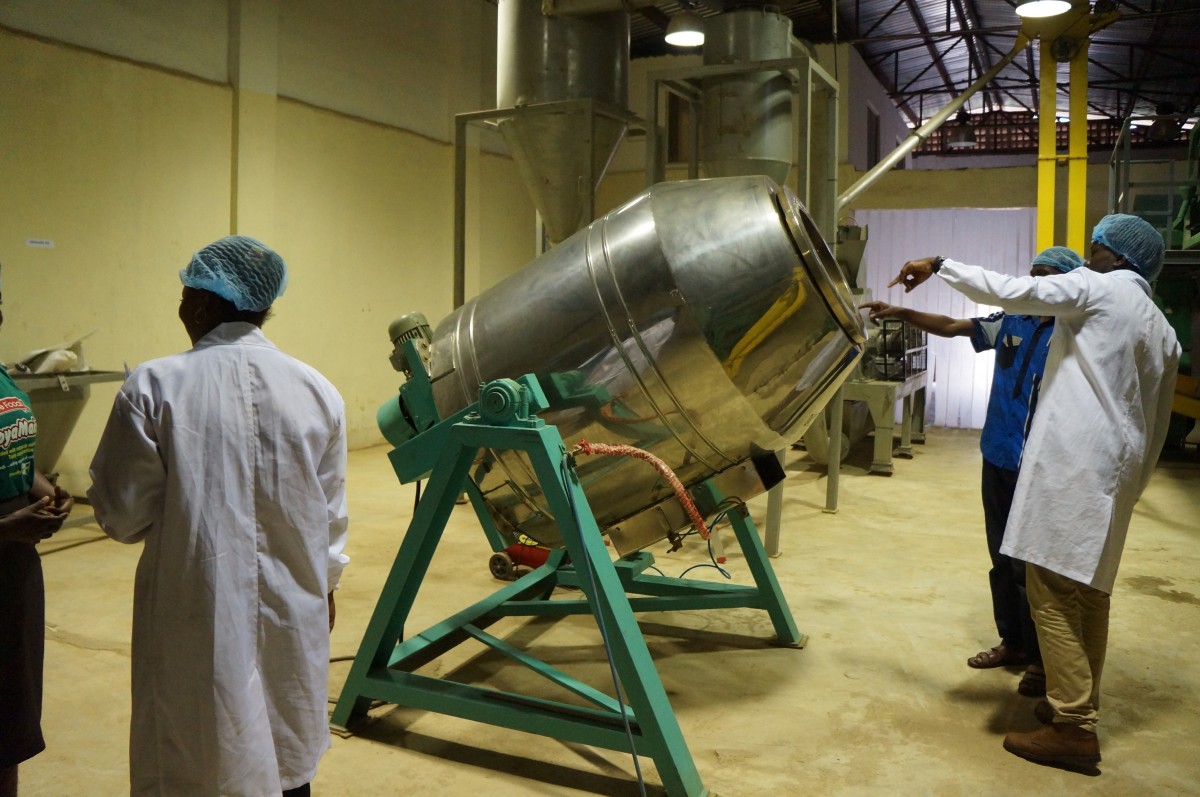
Foreign investment in Nigeria’s manufacturing sector fell sharply in the first quarter of 2026, despite a considerable increase in overall capital imports.
According to the National Bureau of Statistics, the manufacturing and production industry received $152.27 million for the quarter.
This accounted for barely 1.47% of overall capital inflows, which totaled $10.37 billion during the same time.
Every quarter, the industry saw a significant decrease as inflows plummeted by 50.7% from $308.93 million in the fourth quarter of 2025, indicating a significant reduction in investor interest in industrial activities over a short period.
However, when seen year after year, the image becomes marginally more positive, the Punch reports.
Manufacturing inflows increased by 17.2% from the $129.92 million reported in the first quarter of 2025, indicating a modest rebound amid persistent uncertainty.
Overall, capital imports into Nigeria surged by 83.8% year on year, from $5.64 billion in Q1 2025 to $10.37 billion in Q1 2026.
This expansion was mostly driven by portfolio investments and other short-term financial flows, rather than long-term investments in productive sectors like manufacturing, agriculture, and infrastructure.
Portfolio investment remained the primary source of foreign inflows during the period, reflecting the persistent reliance on hot money rather than long-term capital to sustain industrial growth.
Foreign direct investment also had varied results. It totaled $135.08 million, or 1.3% of total inflows. While this was a little increase over the same period last year, it fell by more than 62% quarterly, highlighting the volatility in long-term investment commitments.
Despite quarterly fluctuations, manufacturing attracted a total of $772.45 million in 2025, demonstrating its continued relevance in Nigeria’s broader investment landscape.
The sector’s underperformance is nevertheless driven by structural obstacles such as high energy prices, inadequate transportation infrastructure, foreign exchange volatility, high borrowing rates, and logistical inefficiencies.
These difficulties have regularly harmed investor confidence and slowed the flow of long-term industrial financing.
