


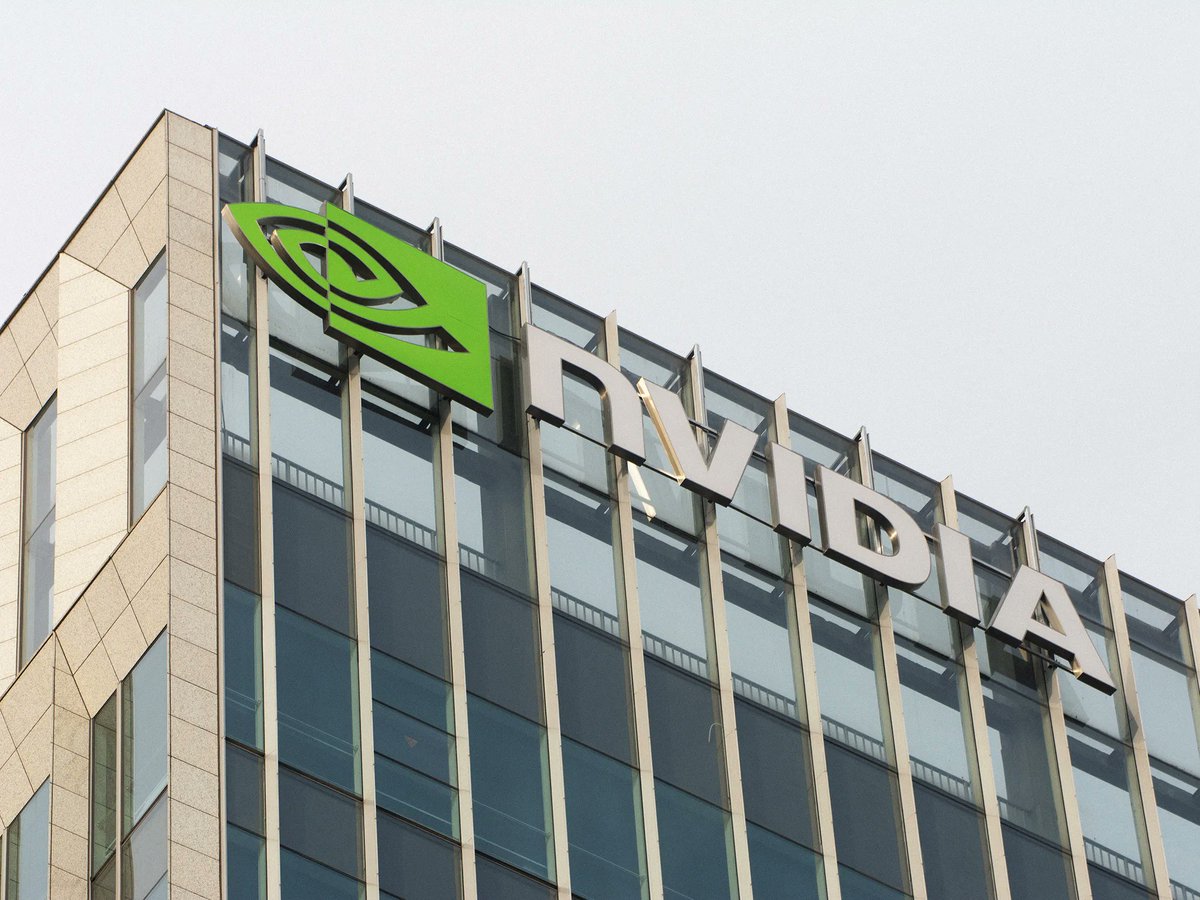
NVIDIA is gearing up to launch an open-source platform for building and deploying AI agents, a move that positions the chipmaker as a key player in the fast-growing world of autonomous AI systems.
Dubbed NemoClaw internally, the platform is designed to let enterprise software companies create and dispatch AI agents that handle complex, multi-step tasks for their workforces; planning, reasoning, using tools, and executing actions with minimal human oversight.
According to internal sources familiar with the plans, Nvidia has been quietly pitching NemoClaw to major enterprise players, including Salesforce, Cisco, Google, Adobe, and CrowdStrike.
The outreach aims to forge partnerships that would integrate the platform into their products, enabling businesses to automate internal workflows like data analysis, customer support routing, code generation, or operational decision-making.
Notably, companies could use the platform even if their systems don’t run on Nvidia hardware, broadening its potential reach.
The development comes as Nvidia shifts emphasis from pure hardware dominance to software ecosystems that amplify the value of its GPUs.
The company has already built momentum in the agent space through tools like NeMo (for model customization) and NIM microservices (for fast inference), but NemoClaw represents a more direct bid to standardize agent development.
It draws clear inspiration from the viral success of OpenClaw, an open-source AI agent framework (originally Clawdbot/Moltbot) that exploded in popularity late last year for running locally on personal computers and completing real work tasks autonomously.
OpenAI acquired the project earlier in 2026, hiring its creator, and Nvidia CEO Jensen Huang himself called OpenClaw “probably the single most important software release ever”, noting its adoption speed outpaced even Linux’s early days.
NemoClaw is expected to include built-in security and privacy features, critical for enterprise use where data sensitivity and compliance are non-negotiable.
While full details remain under wraps, the platform will likely leverage Nvidia’s existing open-model ecosystem, including Nemotron models, to allow developers to fine-tune agents for specific industries or tasks.
The timing is strategic: Nvidia’s flagship GTC 2026 conference kicks off March 16 in San Jose, with Jensen Huang’s keynote widely anticipated to spotlight agentic AI as the “next wave” after generative models.
The event’s session catalog already teems with agent-focused talks, covering reasoning agents, open-source model integration, tool-using systems, and enterprise deployment, alongside panels on open frontier models featuring leaders from Mistral, LangChain, Cursor, and others.
Huang’s March 16 address is expected to outline Nvidia’s full AI stack vision, from accelerated compute and AI factories to agentic systems and physical AI.
This push arrives amid surging interest in agentic AI, where systems move beyond answering questions to actively pursuing goals.
For businesses, that means digital workers that can orchestrate workflows, adapt to new information, and deliver results in real time. For Nvidia, it’s a way to deepen ecosystem lock-in: the more developers build agents on Nvidia-optimized tools, the more demand grows for its inference hardware.
The platform could accelerate AI adoption in sectors like CRM, cybersecurity, creative tools, and cloud services, while sparking broader questions about open-source governance, agent reliability, and workforce impacts.
If NemoClaw gains traction similar to OpenClaw’s viral rise, it may help standardize how enterprises deploy autonomous AI, turning today’s hype into tomorrow’s production reality.
NVIDIA has not yet publicly confirmed NemoClaw’s name or exact launch timeline, but sources indicate announcements or early access details could surface during GTC next week. The company declined to comment ahead of the event.
