
Close Menu
Makers

    Subscribe to Updates

    Get the latest creative news from FooBar about art, design and business.

    What's Hot

    Moroccan cement conglomerate CIMAF invests $45M to turn Gabon into a cement hub

    May 26, 2026

    How Physics-Constrained AI is Redefining Structural Efficiency in Aerospace Design

    May 26, 2026

    Humanoid and Siemens complete proof of concept for humanoid robots in industrial logistics

    May 25, 2026
    Facebook X (Twitter) Instagram
    Makers Tuesday, May 26
    • Send us an email
    Facebook X (Twitter) Instagram LinkedIn
    • Homepage
    • About us
    • News

      Moroccan cement conglomerate CIMAF invests $45M to turn Gabon into a cement hub

      May 26, 2026

      China plans a $2 billion textile mega-city in Egypt to boost regional manufacturing

      May 22, 2026

      Parking in one of Nigeria’s major airports gets a digital overhaul

      May 19, 2026

      Indian billionaire Ravi Jaipuria deepens Africa manufacturing push with $40 million Zimbabwe plant

      May 16, 2026

      South Africa receives a Toyota-backed, locally built hydrogen refueling station

      May 13, 2026
    • Features
    • Contact
    Makers
    Email us
    Home»News»Egypt Beats South Africa to $45M Nissan Investment
    News

    Egypt Beats South Africa to $45M Nissan Investment

    Adeyemi MuseBy Adeyemi MuseApril 30, 2026Updated:May 8, 2026No Comments3 Mins Read4 Views
    Facebook Twitter Pinterest Telegram LinkedIn Tumblr Copy Link Email
    Follow Us
    Google News Flipboard
    Share
    Facebook Twitter LinkedIn Pinterest Email Copy Link

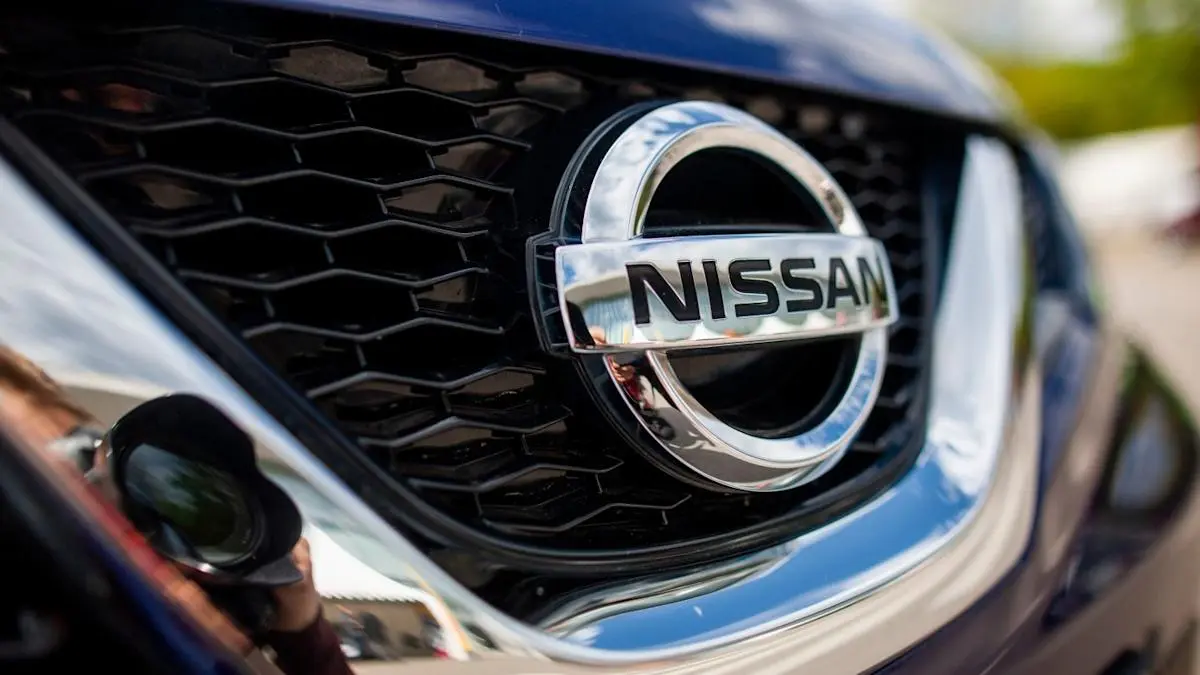
    The epicentre of Africa’s car manufacturing industry has moved. In what is a stark reminder of the contrasting performance of Africa’s major manufacturing hubs, Nissan has shifted its $45 million investment strategy, moving away from South Africa and towards a future in the increasingly industrialised environment of Egypt.

    This is more than a lost opportunity for South Africa; it is a gamble on stability, logistics and state-industrialization in Egypt. While South Africa struggles with declining industries, Egypt has managed to position itself as the main hub for automobile exports to the Middle East and the African Continental Free Trade Area (AfCFTA).

    Why South Africa Lost Its Edge

    South Africa has long been a leading player in African vehicle manufacturing. But the “Nissan Pivot” is a response to a decade of escalating operational challenges. This move was prompted by three breakdowns:

    1. The Logistics Bottleneck: The ongoing ineffectiveness of South Africa’s state-owned ports and the deteriorating state of the national rail network administered by Transnet has compounded manufacturers’ efforts to operate “just-in-time” supply chains.
    2. The Energy Deficit: Although South Africa is now less crippled by the “grid crisis”, the uncertainty of electricity costs and long-term supply is a major risk factor for heavy industrial investment.
    3. Policy Stagnation: Original Equipment Manufacturers (OEMs) from around the world are looking for more certainty and are avoiding markets with high levels of labour instability and stagnating incentive structures.

    Egypt’s Strategic Push: Leading Industrial Investment Growth

    Egypt’s success is the culmination of a long-term Automotive Industry Development Program (AIDP) which emphasised economic stability and infrastructure. Egyptian authorities didn’t just create a welcome mat; they created a highly attractive investment environment for Nissan.

    Through the creation of a dedicated automotive zone in the Suez Canal Economic Zone (SCZONE), Egypt gave Nissan unprecedented access to shipping routes. The US$45 million investment will expand the Nissan Motor Egypt (NMEG) facility into a high-production facility that will manufacture both combustion and electric vehicles for the region.

    See here: How HONOR is anchoring Egypt’s ambitions as a global tech hub

    The Geopolitical Impact: A New Trade Corridor

    Nissan’s decision is part of a “Nearshoring” trend. Multinational manufacturers are increasingly concerned about “long supply chains”. Egypt is a “middle ground” – within easy reach of Europe, in the middle of the Middle East, and an ideal location to ship south to the African middle class.

    The move is likely to lead to a “cluster effect”. A commitment by a large OEM such as Nissan to a hub usually attracts Tier-1 and Tier-2 suppliers with tool-and-die and electronics manufacturing.

    This is in line with International Organization of Motor Vehicle Manufacturers (OICA) reports that indicate regional clusters with government support are driving global growth, outpacing manufacturing giants.

    The Sovereignty of Infrastructure

    The decision to move from South Africa to Egypt is a strong reminder that in the global economy investment, decisions are driven by infrastructure, stability, and efficiency. Capital goes where the infrastructure is most invisible – that is, where it’s so good that the manufacturer doesn’t notice it.

    Egypt has recognized that in the “intelligence age” of manufacturing, the raw materials are no longer just labor or steel, but the reliability of kilowatts and the efficiency of berths.

    For South Africa to reclaim its status, it must move beyond policy rhetoric and prioritize the structural turnaround of its primary logistics corridors, as the current maintenance backlog and operational decline have become the biggest constraints on the nation’s economy.

    For the rest of the continent, the lesson is clear: the race to become Africa’s workshop is a marathon of infrastructure, not a sprint of promises.

    Egypt Nissan South Africa
    Follow on Google News Follow on Flipboard
    Share. Facebook Twitter Pinterest LinkedIn Telegram Email Copy Link
    Adeyemi Muse

    Related Posts

    Moroccan cement conglomerate CIMAF invests $45M to turn Gabon into a cement hub

    May 26, 2026

    China plans a $2 billion textile mega-city in Egypt to boost regional manufacturing

    May 22, 2026

    Parking in one of Nigeria’s major airports gets a digital overhaul

    May 19, 2026
    Leave A Reply Cancel Reply


    The reCAPTCHA verification period has expired. Please reload the page.

    Recent Posts

    • Moroccan cement conglomerate CIMAF invests $45M to turn Gabon into a cement hub
    • How Physics-Constrained AI is Redefining Structural Efficiency in Aerospace Design
    • Humanoid and Siemens complete proof of concept for humanoid robots in industrial logistics
    • Reelables increases smart label production speed 150% via Beckhoff automation overhaul
    • Robotaxi reality check: Waymo pauses operations as technical hurdles persist
    Stay In Touch
    • Facebook
    • Twitter
    • Pinterest
    • Instagram
    • YouTube
    • Vimeo

    Subscribe to Updates

    Get the latest creative news from SmartMag about art & design.

    About Us
    About Us

    Makers is Nigeria’s premier digital platform dedicated to manufacturing related news and content across Africa.

    Facebook X (Twitter) Instagram LinkedIn
    News

    Moroccan cement conglomerate CIMAF invests $45M to turn Gabon into a cement hub

    May 26, 2026

    China plans a $2 billion textile mega-city in Egypt to boost regional manufacturing

    May 22, 2026

    Parking in one of Nigeria’s major airports gets a digital overhaul

    May 19, 2026
    Features

    How Dakar’s advanced lab manufacturing systems helped decode a deadly virus in 24 hours

    May 23, 20262 Views

    Africa in sight as Ukraine looks for new manufacturing partners to help with its weapons system

    May 16, 20262 Views

    Angola’s $470 million Cabinda refinery begins fuel production and supply to the local market after years of planning

    May 13, 20266 Views
    • Homepage
    • News
    • Features
    • Get In Touch
    • Privacy Policy
    • Cookie Policy
    Makers © 2026. All right reserved.

    Type above and press Enter to search. Press Esc to cancel.