


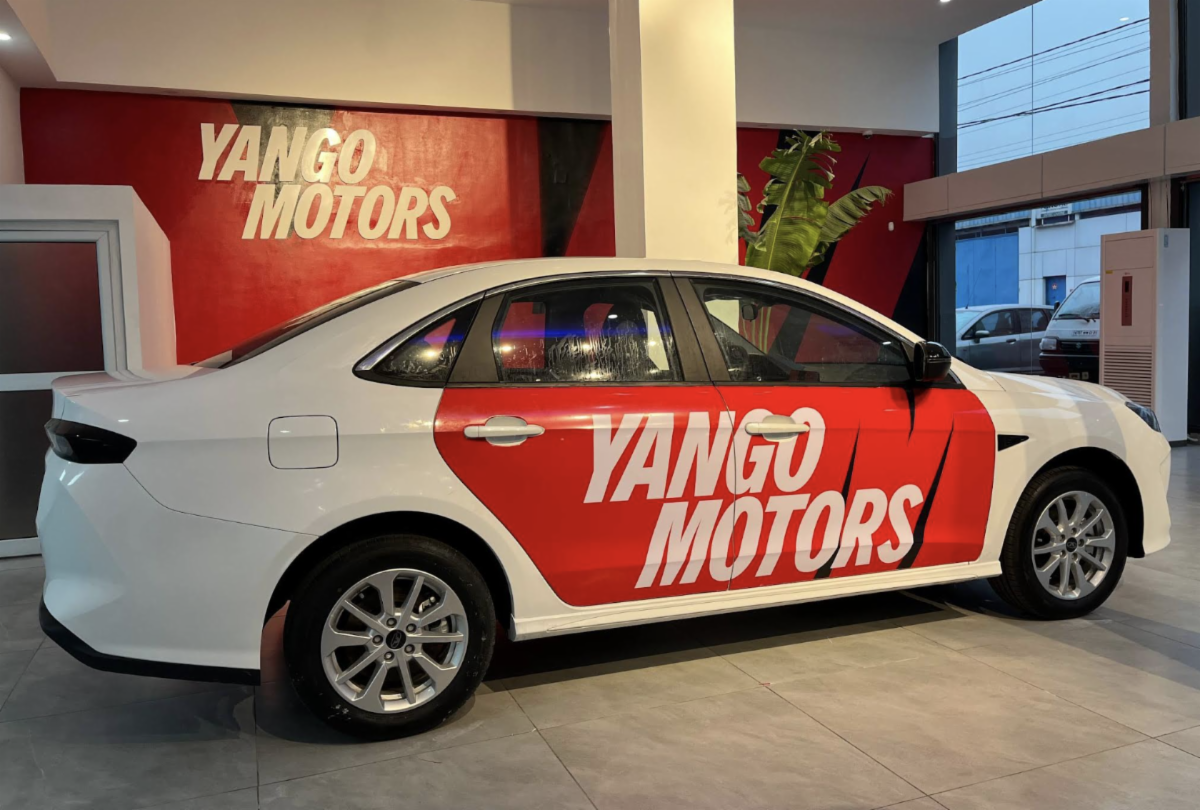
GoCab officially deployed 100 fully electric vehicles (EVs) in Abidjan, Côte d’Ivoire, on Saturday, July 4, 2026.
The move establishes one of Africa’s most substantial operational fleets of electric ride-hailing cars, positioning Côte d’Ivoire as a leader in four-wheeled electric transport. For GoCab’s country manager and managing director, Moulaye Tabouré, this deployment fundamentally shifts the economics for professional drivers by drastically cutting fuel expenses.
engineering driver profitability with electric vehicles
The core proposition behind GoCab’s EV deployment lies in its potential to dramatically reduce operating costs for drivers. Fuel often stands as a driver’s single largest daily outlay.
Moving to electric power aims to cut these energy costs by between 60% and 80%. A full charge, costing approximately 8,000 FCFA (around $14), provides up to 470 kilometres of range.
calculating fuel cost savings
This contrasts sharply with petrol or diesel vehicles, which typically consume between 20,000 and 40,000 FCFA ($35 to $70) to cover the same distance. For a driver covering 10,000 kilometres, this translates into potential savings ranging from 255,000 to 681,000 FCFA (about $444 to $1,186) that would otherwise go into their fuel tank.
These savings aren’t just theoretical; they significantly enhance a driver’s take-home pay and overall financial stability. The tangible economic benefit is a key factor in driving demand for GoCab’s programme.
the drive-to-own financing structure
GoCab combines these operational savings with an innovative “drive-to-own” model. Under this scheme, driver-partners make regular payments from their ride-hailing income over a three-year period.
After completing these structured payments, the vehicle ownership transfers directly to them. The company also manages crucial aspects like insurance and maintenance throughout this three-year term.
This financial engineering removes the high upfront cost barrier of EVs for individual drivers, turning them into entrepreneurs. Daily payments, or “recette,” typically range from 30,000 to 38,000 FCFA, with some options as low as 23,000 FCFA for certain models.
This approach echoes the successful model pioneered by Moove, a Nigerian mobility fintech that achieved a $2 billion valuation using a similar structure. GoCab’s co-founder and Executive President, Azamat Sultan, highlighted that this financing round allows them to “scale responsibly expanding access to fair, ethical financing.”
scaling electric mobility infrastructure
Deploying a substantial electric fleet demands robust supporting infrastructure. In Abidjan, GoCab’s operation relies on an expanding network of charging points.
The city currently features over 100 such points, a crucial component for ensuring the continuous operation of the new EV fleet. This density allows drivers to minimise downtime and maximise their earning potential.
expanding the charging network
The engineering challenge lies not just in deploying vehicles, but in the intelligent growth of the charging infrastructure to keep pace. As the fleet expands to 200 vehicles and potentially beyond, the capacity and geographical spread of charging points will need careful planning and execution.
Reliable power supply is paramount for the success of such initiatives. While this particular deployment focuses on Côte d’Ivoire, similar efforts are underway across the continent to bolster electric vehicle infrastructure investment.
vehicle selection and maintenance
The choice of vehicles is another critical engineering decision for ride-hailing operations. GoCab aims to provide a “premium offer” with cars that are silent, fast, and comfortable, as noted by Moulaye Tabouré.
These electric vehicles also demand less maintenance compared to their internal combustion engine counterparts, contributing to lower operational overheads for both the company and the drivers. GoCab proactively manages this maintenance and insurance during the ownership transition period.
a continental shift in mobility strategy
The Abidjan deployment isn’t an isolated event; it aligns with Yango’s broader strategic vision for Africa. Yango Africa CEO Adeniyi Adebayo revealed plans for at least $150 million in investment this year, targeting entry into ten new markets.
These expansion targets largely bypass traditional “Big Four” markets like Nigeria, Egypt, South Africa, and Kenya, instead focusing on secondary cities in West and Central Africa, alongside countries such as Namibia, Botswana, and Mozambique.
Yango’s broader African expansion
Yango’s strategy analyses African economies not by country, but by urban centres, building profitability in dense commercial nodes before expanding. Bouaké, Côte d’Ivoire’s second-largest city, serves as a prime example.
Yango launched there in 2022, facing initial slow growth, but it has since become one of its best-performing cities. Yango Motors, the group’s automotive arm, also launched in Côte d’Ivoire at the Abidjan Auto Show in September 2025, further solidifying the nation’s role in Yango’s automotive initiatives.
four-wheeler versus two-wheeler EV challenges
Africa’s electric mobility narrative has, until now, largely centred on two- and three-wheelers. Companies like Ampersand in Rwanda and Kenya, and Spiro across seven African markets, have deployed thousands of electric motorcycles and thousands of battery swap stations.
These two-wheeled options are often cheaper, easier to charge, and better integrated into the informal economies prevalent in many African cities. Four-wheeled EV ride-hailing presents a distinct challenge.
It demands higher upfront vehicle costs, requires higher-margin fares to ensure profitability, and relies on a customer base willing to pay for a premium service. Many African markets have struggled to sustain this combination at scale.
GoCab’s 100-vehicle fleet, while smaller in unit count than the motorcycle fleets, operates in a different market segment with different unit economics. Its success in Abidjan could provide a replicable model for Yango’s expansion into other West and Central African markets.
future engineering considerations for urban fleets
The success of this initial deployment will inform future engineering and operational strategies. The data gathered from these first 100 electric vehicles will be invaluable.
This includes insights into battery performance under local conditions, optimal charging patterns, and wear-and-tear in Abidjan’s urban environment. Engineering teams will use this data to refine future vehicle specifications and maintenance protocols.
data-driven optimisation
Real-world operational data will enable GoCab and Yango to optimise everything from route planning to predictive maintenance schedules. This data-driven approach is critical for ensuring the longevity and efficiency of the electric fleet.
It also plays a role in enhancing the driver experience by minimising unexpected issues. The insights will directly influence the deployment of the next 100 vehicles.
broader environmental and economic impact
Beyond individual driver profitability, the shift to electric vehicles carries broader environmental benefits. Each EV deployed contributes to a reduction in urban air pollution and carbon emissions, aligning with global sustainability goals.
As Azamat Sultan noted, this initiative is about “accelerating the transition to electric mobility, lowering carbon emissions, and building a more inclusive and sustainable future.” This kind of large-scale deployment also stimulates demand for reliable power supply and supports the growth of associated industries, like EV charging infrastructure and specialised maintenance services, creating new job opportunities.
long-term outlook for Abidjan’s electric fleet
GoCab’s launch on July 4, 2026, marks a pivotal moment for urban mobility in Abidjan. With 100 electric VTC vehicles now operating and another 100 expected in the coming weeks, the company is building significant momentum.
GoCab, founded in 2024 by Azamat Sultan and Hendrick Ketchemen, has quickly grown its overall fleet to 1,394 vehicles as of July 4, 2026, up from just 15 vehicles on June 28, 2024.
market reception and driver demand
The drive-to-own model has already seen strong demand, with over 300 existing GoCab drivers having completed more than two years in the programme, poised to take full ownership of their vehicles starting from 2027.
This early success suggests a strong appetite among drivers for innovative financing solutions that combine lower operating costs with a path to asset ownership. The premium “GoYa” service also caters to a growing segment of riders seeking enhanced comfort and environmental consciousness.
challenges and opportunities ahead
Maintaining this growth trajectory will require continuous engineering and logistical innovation. Ensuring the durability of EVs under heavy commercial use, further expanding the charging network, and adapting to potential shifts in energy costs will be ongoing challenges.
However, GoCab and Yango are clearly betting on the long-term viability and profitability of four-wheeled electric ride-hailing in African cities. Their investment in Abidjan could well serve as the blueprint for wider adoption across the continent.
