


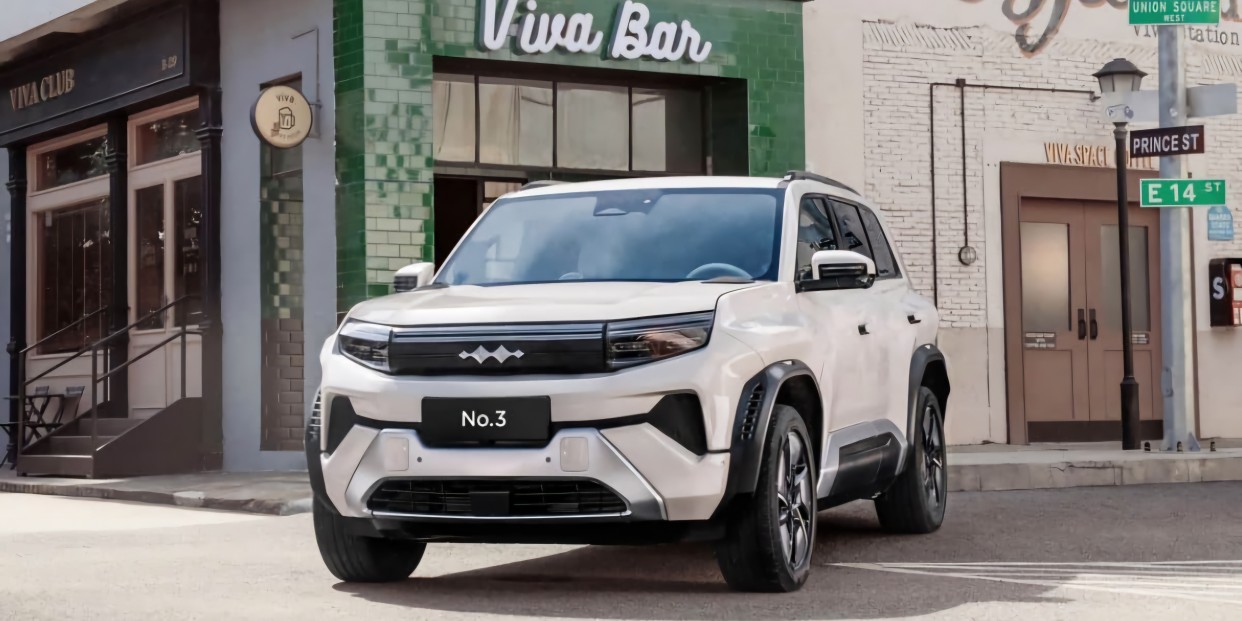
Chinese electric vehicle giant BYD has introduced a new version of its rugged Fangchengbao Ti3 SUV that promises to solve two of the biggest worries for electric car owners: range anxiety and long charging waits.
The Flash Charging Edition of the Fangchengbao Ti3, unveiled in early March 2026 and widely reported in the past few days, delivers an impressive estimated range of 385 miles (about 620 kilometers) on China’s CLTC testing cycle for the rear-wheel-drive model.
The all-wheel-drive version offers around 351 miles. More importantly, the vehicle can add a huge amount of charge very quickly: from 10% to 70% in roughly 5 minutes under normal conditions, and up to 97% in about 9 minutes.
This ultra-fast charging speed comes from BYD’s latest technology, including an upgraded version of its famous Blade Battery and a high-power charging system capable of handling extreme rates—up to 1,500 kilowatts in some demonstrations.
For comparison, most fast chargers used by electric cars today deliver around 150–350 kW, meaning a typical 10–80% charge takes 20–40 minutes. Five minutes for 60% charge is faster than filling a petrol tank in many cases, making long-distance driving far more convenient.
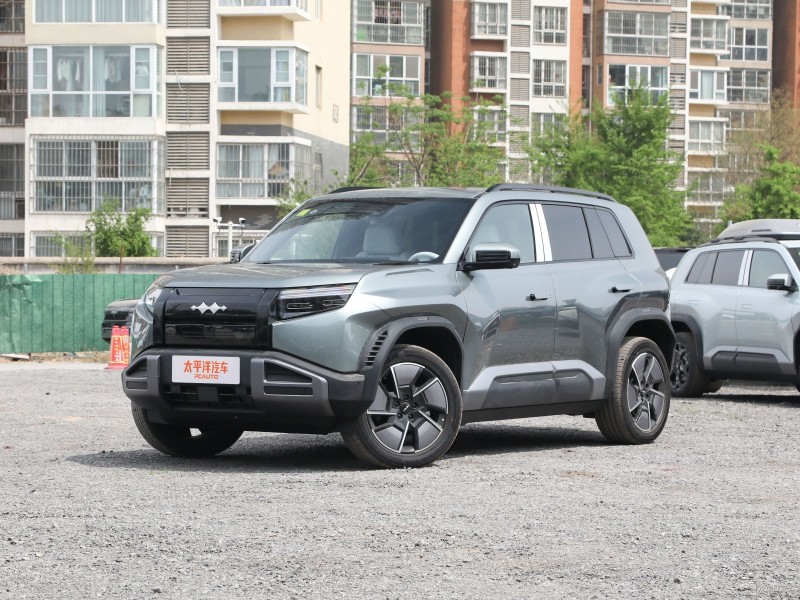
The Fangchengbao Ti3 itself is a boxy, tough-looking SUV from BYD’s premium off-road sub-brand, Fangchengbao (often called “Bao” or “Leopard”).
It features a muscular design with roof rails, large wheels, and protective cladding, aimed at buyers who want both adventure capability and electric efficiency. The vehicle is part of BYD’s broader push to dominate the global EV market with practical, high-performance models that go beyond city driving.
See here: Nigeria signs deal to localise manufacturing of CNG and EV infrastructure
Why this matters around the world: Electric vehicles are growing fast, but charging time and range remain major barriers in many places, especially in countries with limited fast-charging stations, such as parts of Africa, rural Asia, Latin America, and even some regions in Europe and North America.
A car that can add hundreds of kilometers of range in the time it takes to grab a coffee could change how people think about long trips, road travel, and even commercial transport.
Faster charging also means smaller batteries could be used for the same real-world range, lowering vehicle weight, cost, and the amount of raw materials (like lithium and cobalt) needed.
This could make electric cars more affordable and easier to produce at scale, helping speed up the shift away from petrol and diesel vehicles everywhere.
BYD, already the world’s largest electric vehicle maker by volume, has been rolling out this ultra-fast charging technology across several models in 2026. The company is also building thousands of high-power charging stations in China and expanding abroad, including in Europe, where it recently launched fast-charging versions of other vehicles.
The Fangchengbao Ti3 Flash Charging Edition is now available for order in China, with deliveries expected soon.
While exact pricing and international availability have not been fully announced, the combination of long range and lightning-fast charging sets a new benchmark that other manufacturers will likely have to match.
This is not just another electric SUV; it’s a sign that the future of driving could involve much shorter stops and much longer journeys, no matter where you live. For countries working to build cleaner transport systems, innovations like this could make electric vehicles far more practical and appealing to everyday drivers.
