


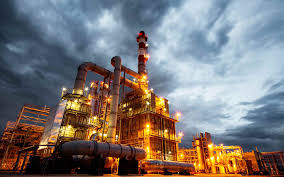
Nigeria’s old Port Harcourt Refinery has reportedly been rehabilitated to about 90% completion, with the Petroleum and Natural Gas Senior Staff Association of Nigeria (PENGASSAN) claiming it could resume operations within a week if the Nigerian National Petroleum Company Limited (NNPC Limited) decides to restart the plant.
PENGASSAN President Festus Osifo announced on Channels Television’s The Morning Brief on February 10, 2026, emphasizing that the facility’s present dormancy is motivated by commercial factors rather than mechanical or technical restrictions.
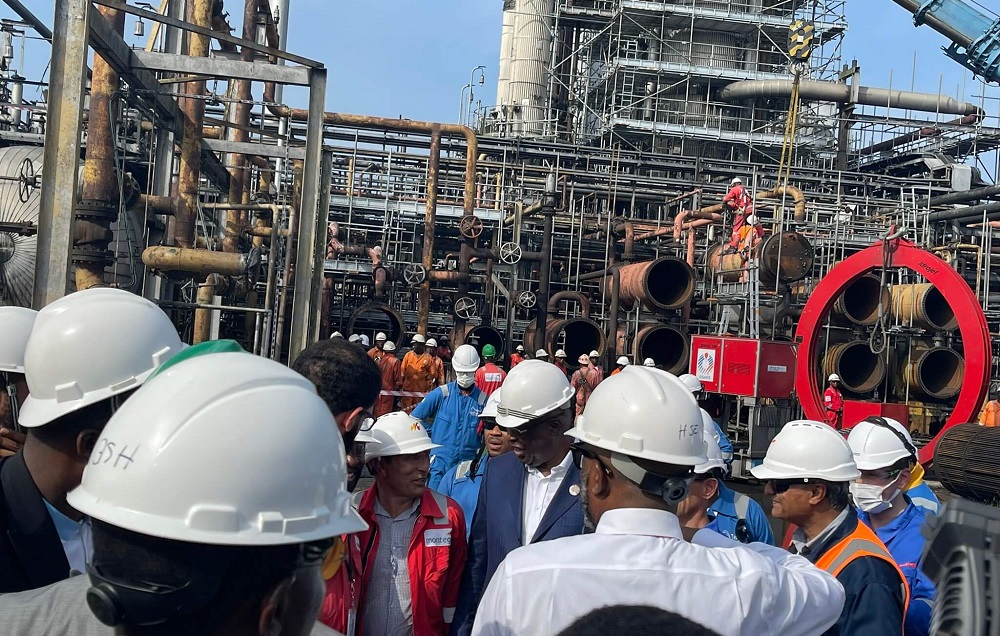
Key systems throughout the refinery, such as compressors, control rooms, and electrical panels, have been rebuilt or updated, greatly increasing the plant’s operational dependability and asset value.
Engineers working on the project concentrated on repairing the refinery’s mechanical integrity, process control, and safety systems, ensuring that the complex can withstand the intense temperature, pressure, and chemical demands of refining operations.
Refinery operations are highly complex tasks.
Crude oil travels through many steps of distillation, catalytic cracking, and reforming, each needing careful temperature and pressure control.
Rehabilitating equipment, such as compressors, guarantees that gases and vapors are handled correctly throughout these procedures, whilst contemporary control panels and automation systems enable operators to monitor flows, temperatures, and pressures in real time, lowering hazards and increasing efficiency.
According to Osifo, the facility’s enhanced technologies allow it to properly process crude and create refined products without the frequent malfunctions that plagued it previously.
“Major components have been replaced and remain installed,” he stated, noting that the refinery’s technical preparedness differs from the financial concerns that guide NNPC Limited’s decision-making.
The Port Harcourt refinery’s financial constraint
While the refinery is ready to go, the economics of running it remain tough.
Osifo said that pumping $5 million worth of crude into the facility may result in petroleum products worth around $4.5 million, indicating a limited margin or probable loss under present market circumstances.
This reflects a greater engineering-commercial quandary in refinery operations: even a technically good plant may struggle to turn a profit if crude prices are high or product prices are low.
NNPC Limited’s GCEO, Engr. Bayo Ojulari has said unequivocally that Nigeria’s state-owned refineries previously ran at “monumental losses,” causing shutdowns.
The Port Harcourt plant, like its predecessors, underwent comprehensive technical and commercial studies to determine whether operations were technically and financially viable.
