


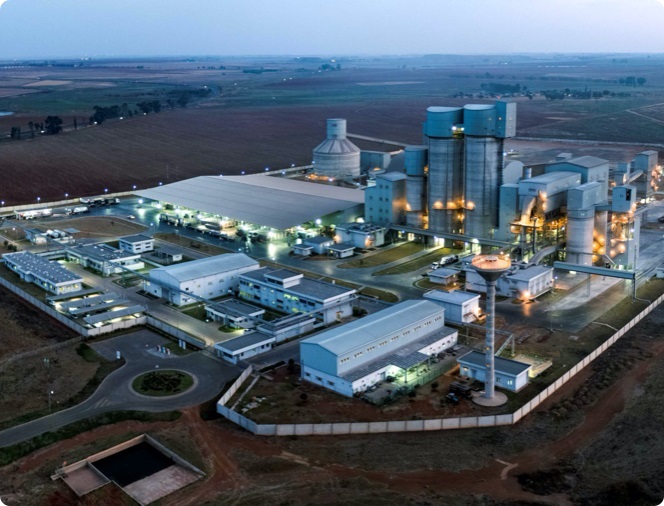
By using one of its lesser-known outputs, surfactants, the 650,000-barrel-per-day Dangote Refinery is setting the stage for a move beyond fuels and entering Nigeria’s detergent and home care sector.
The refinery is looking for ways to turn these chemical streams into final consumer goods rather than throwing them away or exporting them at low profit margins.
By converting all usable output, not just gasoline, diesel, or aviation fuel, into a revenue stream, the method represents a more comprehensive change in how major refining complexes extract value.
The Dangote refinery’s CEO, David Bird, has revealed plans to leverage its surfactants to break into the detergent industry.
“I am very pleased today to announce that we have been in deep discussions with a licensor and just about to finalize the commercial terms for installing a linear alphabet benzene plant,” he said.
“And this is the surfactant; this is what makes the bubbles in detergent. So, as you know, with Dangote, we evaluate business opportunities by what demand is driven by pure population,” he added.
Surfactants: The core of the cleaning world
An essential component of detergents, soaps, shampoos, and industrial cleaners is surfactants.
They are the substances that enable the mixing of water and oil, which lift and wash away grease and grime from surfaces.
Surfactants are at the core of the global cleaning goods market, despite the fact that most customers never consider them.
Surfactants are produced from hydrocarbon streams that would otherwise have little value on their own at a refinery the size of Dangote.
Long-chain molecules that can form bonds with both water and oil are created from these streams.
Surfactants have a dual purpose that allows them to clean since one end of the molecule is drawn to water while the other clings to grease.
The process of making surfactants
Inside a refinery, crude oil is first divided into many components. Some of these components are not suitable for fuel production but are excellent for producing cleaning chemicals.
See here: India set to lead the expansion of Africa’s largest fuel manufacturing outfit
These are the beginning elements for surfactants.
The refinery then selects oil-based chains that adhere effectively to grease and grime.

These chains comprise one side of a surfactant, the component that binds to oil. Next, the oil-based chains are modified to function in water.
This is accomplished by adding chemical components to the molecule, resulting in a second side that prefers water. Once this occurs, the compound can attract dirt and wash it away.
Once this occurs, the compound can attract dirt and wash it away.
After that, the material is changed to ensure its safety, stability, and effectiveness. This stage determines whether the surfactant will be strong or gentle, depending on its intended application.
The final surfactant can then be adjusted for a variety of applications, including laundry detergents, dishwashing solutions, and industrial cleaners.
Instead of wasting these materials or selling them cheaply, the refinery may turn them into common cleaning products.
