


Rosatom, Russia’s state-owned nuclear energy company, is expanding its footprint in Africa’s energy infrastructure sector with a new proposal to build small-scale hydropower projects in the Republic of Congo.
The program is part of a bigger strategy to establish itself as a significant engineering and manufacturing partner in rising power markets across the continent.
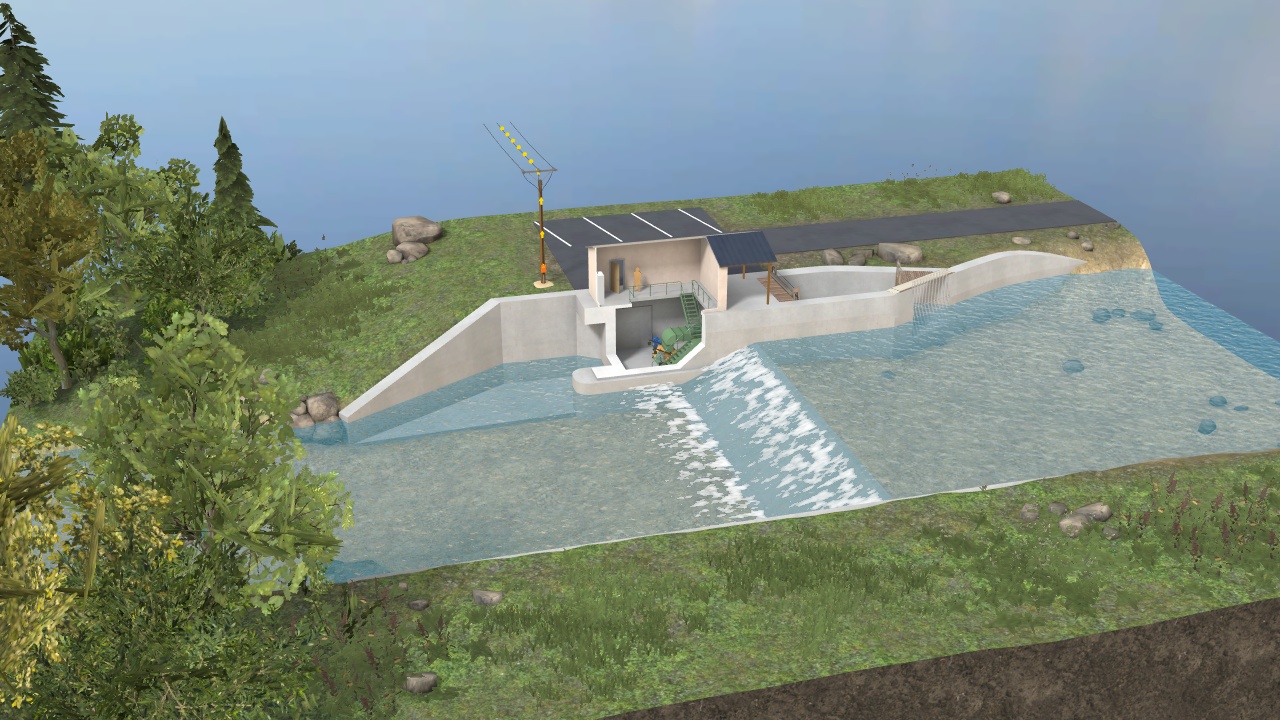
The project calls for the building of two compact, modular hydropower facilities with a combined output of 2.6 megawatts, specifically designed to serve remote and off-grid areas with restricted access to electricity.
Instead of massive, capital-intensive dams, the emphasis is on factory-built, containerized systems that can be quickly erected and deployed in remote areas, the Africa Initiative reports
The idea reflects a shift away from traditional mega-infrastructure and toward standardized, reproducible energy systems.
These modular pieces are intended to shorten production timetables, minimize civil engineering requirements, and cut upfront capital expenses.
Their prefabricated structure also enables much of the assembly process to be completed off-site before installation, increasing efficiency and lowering on-site construction risks.
According to Rosatom officials, the systems will also have remote monitoring capabilities, allowing operators to track performance and maintenance requirements without constantly being on-site.
This is especially significant in areas with limited technical manpower and tough logistics.
Enhanced protection mechanisms are also expected to be implemented to maintain operating stability in remote locations.
The deal was considered during a visit by a Russian group led by Deputy Prime Minister Alexander Novak, indicating further energy cooperation between Moscow and Brazzaville.
The hydroelectric plan is part of Russia’s larger push to position its industrial and engineering enterprises in Africa’s burgeoning infrastructure pipeline.
In recent years, collaboration between the two countries has expanded beyond energy generation to include midstream and downstream industrial projects, including negotiations about a pipeline from Brazzaville to Pointe-Noire and potential refinery building.
These projects, if completed, will increase Congo’s domestic energy processing capacity while also creating additional demand for engineering, construction, and equipment supply chains.
