


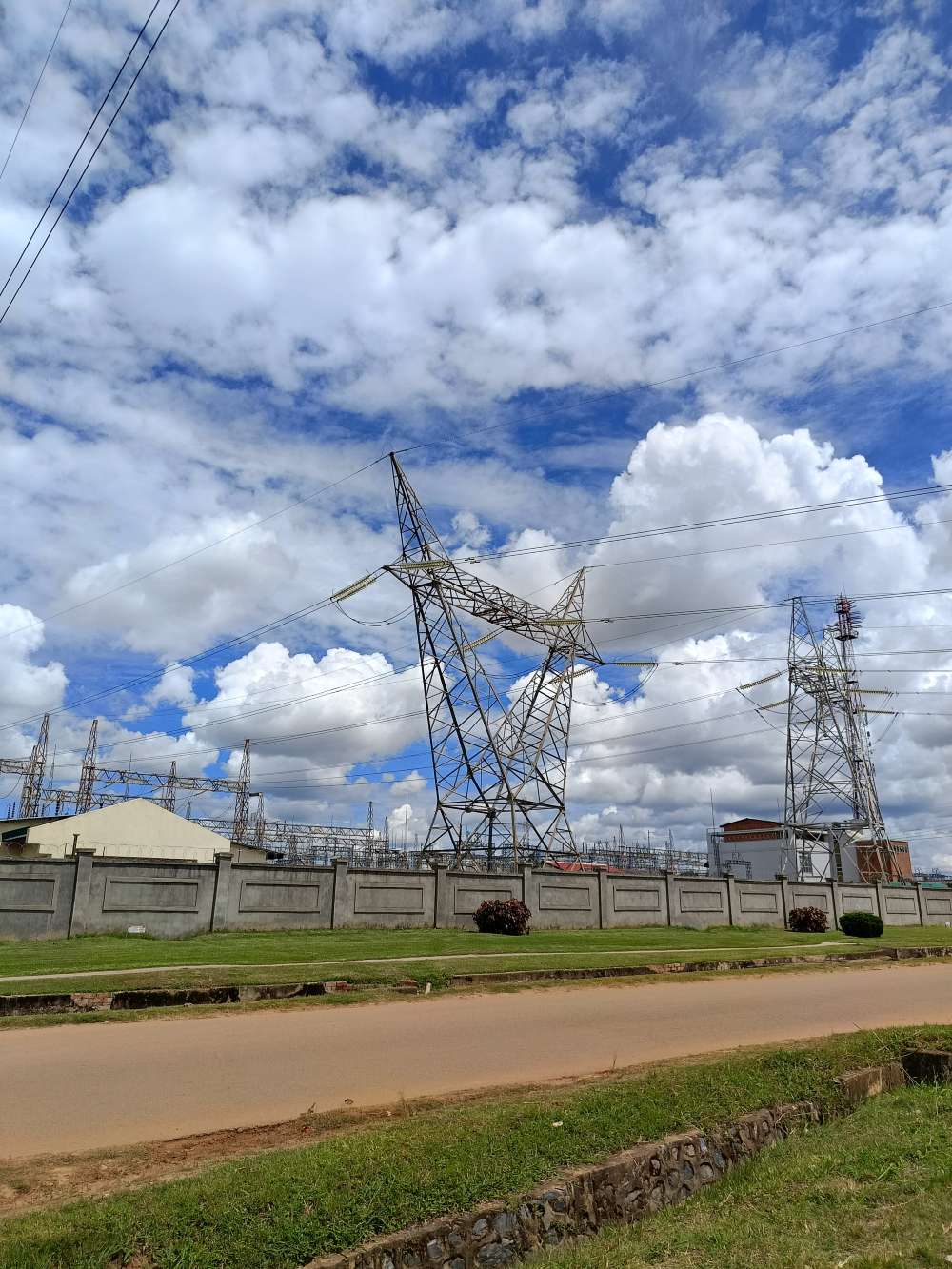
Zambia has secured a $1.5 billion investment from China Machinery Engineering Corporation (CMEC), paving the way for a significant expansion of national energy generation capacity by 900 megawatts.
The project is positioned as a key component of the country’s long-term industrialisation and energy security agenda.
At its foundation, the deal underscores Zambia’s efforts to overcome chronic power shortages and develop a more reliable energy infrastructure capable of supporting large-scale industrial activity.
It is expected to speed up infrastructure development while boosting the country’s desire to become a regional energy player.
The increased capacity is part of Zambia’s larger objective of reaching 10,000 MW of installed generation capacity by 2031, which has become more urgent as the country continues to experience electricity shortages.
These shortages have been mostly caused by protracted drought conditions, which have reduced hydropower generation, which currently accounts for the majority of the country’s electricity mix.
Hydropower is the backbone of Zambia’s energy system, but its sensitivity to climate change has revealed structural flaws in supply stability.
Falling water levels in major reservoirs have regularly caused load-shedding across important economic sectors, hampering production and increasing operational uncertainty in the industry.
To counter this, the proposed expansion plan includes a more diverse energy mix.
The additional 900 MW will be generated using a combination of solar, wind, and coal-fired thermal generating, with each section contributing 300 MW.
See here: Russia’s nuclear company pushes for a modular hydropower manufacturing model in Africa
This hybrid system is intended to balance renewable energy growth with dependable baseload capacity, ensuring that the electricity supply stays consistent even during periods of low hydrological output.
The implementation plan is particularly aggressive. CMEC wants to implement the three projects together rather than in stages, which is likely to decrease delivery timetables and accelerate integration into the national grid.
Technical teams are anticipated to arrive in Zambia in June 2026 to begin feasibility studies, environmental assessments, and site selection before construction.
Beyond generation capacity, the project has important industrial consequences.
Improved electrical dependability is intended to boost vital industries such as mining, manufacturing, and agro-processing, which have suffered productivity losses as a result of erratic power supplies.
A more robust grid is also expected to lower production costs and increase competitiveness for local businesses.
The investment also supports Zambia’s overall industrial positioning strategy.
With increased generation capacity, the government hopes to transition from a power-constrained economy to a prospective electricity exporter in the Southern African Power Pool.
This could lead to new cross-border electricity trade opportunities with nearby nations experiencing similar supply problems, generating additional cash for the state.
