


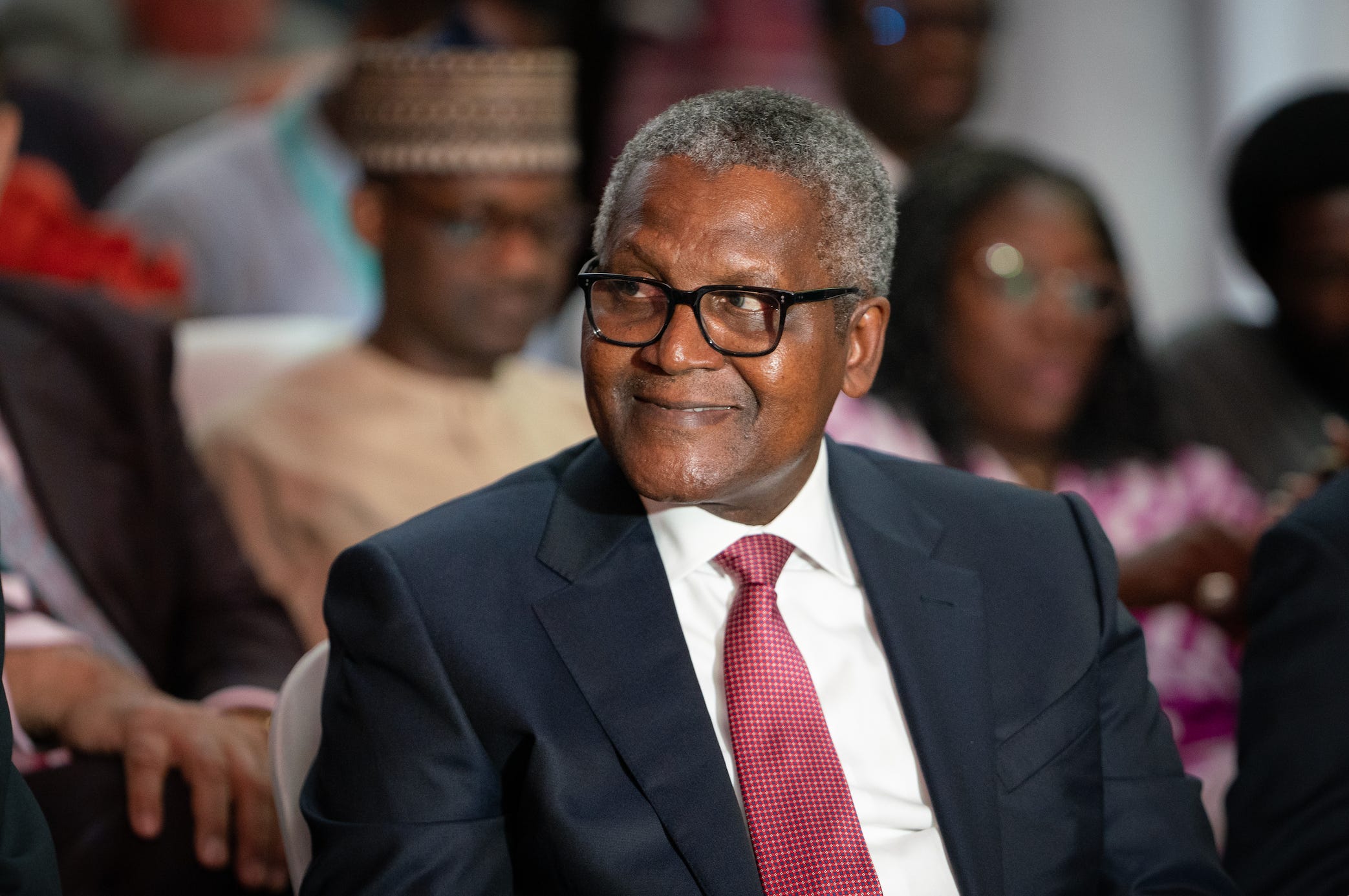
Africa’s industrial landscape may be about to undergo another big upheaval as Aliko Dangote, the richest man in Africa, expresses support for the construction of a large-scale oil refinery in Tanzania.
The proposed project, which is slated for the coastal city of Tanga, is projected to function as a major downstream processing hub for East Africa.
It is intended not just as a national facility, but also as a regional industrial asset linked to Mombasa by pipeline, resulting in a cross-border energy corridor aimed at boosting fuel distribution efficiency across different economies.
The refinery is anticipated to process petroleum supplied by regional sources, including the Democratic Republic of the Congo and South Sudan.
Dangote has hinted that his industrial business will play a key role in completing the project, which is expected to take four to five years.
The Tanzania plan comes as Africa’s manufacturing and refining capacity remains fundamentally constrained.
Despite generating a sizable portion of global crude oil, the continent still lacks enough domestic refining facilities, requiring several countries to rely heavily on imported refined fuel.
See here: Dangote deepens manufacturing footprint with $4.2b gas deal for Ethiopia fertilizer plant
This mismatch has been exacerbated by global supply interruptions and geopolitical instability, hurting established transportation routes and vendors.
East Africa is particularly vulnerable, as some economies rely heavily on Middle Eastern gasoline.
Countries like Kenya have increasingly relied on long-term supply agreements with Gulf-based suppliers, highlighting the region’s reliance on external refining hubs rather than indigenous manufacturing capabilities.
The initiative also meshes with Dangote’s overall industrial expansion strategy, which has shifted toward large-scale manufacturing ecosystems in energy, petrochemicals, and raw material processing.
His previous refinery project in Nigeria proved how vertically integrated infrastructure may change trade patterns, transforming a net importer into a regional supplier of refined products.
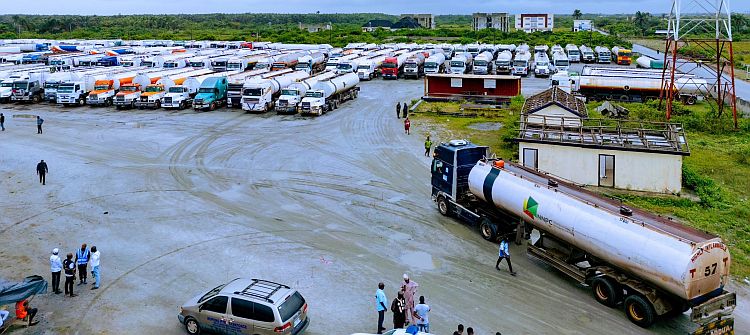
Early symptoms of the change are already obvious. The Nigerian refinery has begun exporting considerable amounts of refined goods to West and Central Africa, servicing markets including Côte d’Ivoire, Cameroon, Tanzania, Ghana, and Togo.
These cargoes highlight a rising pattern in which Africa’s refining capacity gradually rebalances regional petroleum flows.
