
Close Menu
Makers

    Subscribe to Updates

    Get the latest creative news from FooBar about art, design and business.

    What's Hot

    Nigeria eyes domestic manufacturing of hydropower systems via a Chinese deal

    March 31, 2026

    From competition to consolidation: Internet providers partner to build Nigeria’s broadband powerhouse

    March 26, 2026

    Skypixels made-in-Nigeria drones take the spotlight in groundbreaking aerial display

    March 25, 2026
    Facebook X (Twitter) Instagram
    Makers Thursday, April 2
    • Send us an email
    Facebook X (Twitter) Instagram LinkedIn
    • Homepage
    • About us
    • News

      Nigeria eyes domestic manufacturing of hydropower systems via a Chinese deal

      March 31, 2026

      From competition to consolidation: Internet providers partner to build Nigeria’s broadband powerhouse

      March 26, 2026

      Lenovo unveils world-first 1,000 Wh/L Silicon-anode battery concept for laptops and workstations

      March 23, 2026

      Hadrian’s $2 billion factory 4 investment brings 1,000+ jobs to defence manufacturing

      March 20, 2026

      From ChatGPT to miracle cure: Tech dad saves his dying dog with custom ai cancer vaccine

      March 20, 2026
    • Features
    • Contact
    Makers
    Email us
    Home » Dangote’s refinery slashes fuel import cost by a whopping $4 billion
    News

    Dangote’s refinery slashes fuel import cost by a whopping $4 billion

    Ned NwosuBy Ned NwosuDecember 13, 2025Updated:December 13, 2025No Comments3 Mins Read20 Views
    Facebook Twitter Pinterest Telegram LinkedIn Tumblr Copy Link Email
    Follow Us
    Google News Flipboard
    Share
    Facebook Twitter LinkedIn Pinterest Email Copy Link

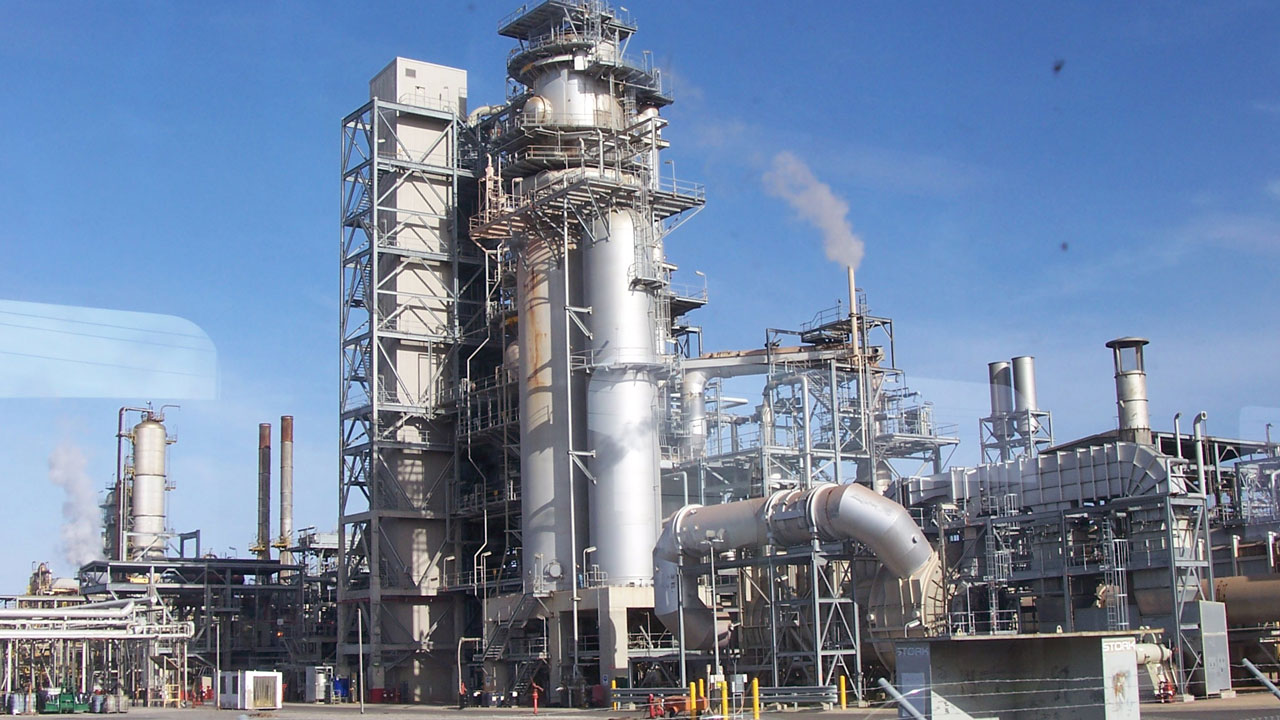
    Since the idea of the Dangote Oil Refinery, owned by Africa’s richest man, Aliko Dangote, was conceived, the goal has been to end Africa’s dependence on energy imports. In just one year, significant milestones have been reached concerning this goal. 

    The Dangote Oil Refinery, which has the goal to make Africa very energy self-sufficient by producing enough fuel to service the entire continent, is well on its way to achieving its goal. 

    In the space of a year, not only has the facility effectively ended West Africa’s fuel import dependence, in July, it reported that it had also shipped 1 million tons of fuel to markets outside the continent, demonstrating its capacity to achieve its ultimate goal. 

    Additionally, the refinery recently touted plans to expand its refining capacity from 650,000 barrels per day to 1.4 million barrels per day. 

    It reported last month that it would be supplying Nigeria with 1.5 million liters of fuel during the month and next, upping the figure to 1.7 million liters by February next year. 

    With all these milestones reached in one year of operation, it comes as no surprise that the facility has effectively saved the country N6 trillion ($4 billion) in fuel import costs in the first 9 months of the year. 

    This information, as seen in the Punch newspaper, was disclosed by the country’s National Bureau of Statistics. 

    Fuel figures in the period under review

    Between January and September 2025, the value of imported motor spirit, ordinary, was N5.42 trillion, much lower than the N11.50 trillion reported in the same period in 2024. 

    The decrease reflects a 52.82 percent reduction in the country’s petrol import bill, which experts attribute to increased local refining production and less reliance on offshore supplies.

    A breakdown of quarterly data reveals that the drop has been continuous from the beginning of the year. 

    Nigeria spent N3.81tn on PMS imports in the first quarter of 2024, but this reduced to N1.76tn in the first quarter of 2025, representing a 53.8% decrease, or around N2.05 trillion. 

    The second quarter followed a similar trend, with PMS imports falling from N4.36 trillion in Q2 2024 to N2.38 trillion in Q2 2025. 

    This was a year-on-year decrease of N1.99 trillion, or 45.6 percent. 

    The third quarter saw the biggest contraction: fuel imports fell from N3.32 trillion between July and September 2024 to N1.29 trillion in the same time in 2025, a fall of N2.03 trillion or 61.2 percent.

    Nigeria imported N6.07 trillion less PMS throughout the course of all three quarters than it did in 2024, highlighting the extent of the change in its petroleum supply system.

    See here: Aliko Dangote Rekindles Investment Plans in Zimbabwe With $1 Billion

    The NBS has not identified a single cause for the fall, although the rate and magnitude of the decline are consistent with continuous increases in domestic production capacity.

    Additionally, since the 2023 subsidy reform, the pattern points to a progressive reduction in the foreign exchange pressure brought on by massive gasoline imports. 

    PMS continued to rank among the nation’s top imports until 2024, according to NBS statistics, although its percentage has gradually decreased.

    Aliko Dangote Dangote Refinery Nigeria
    Follow on Google News Follow on Flipboard
    Share. Facebook Twitter Pinterest LinkedIn Telegram Email Copy Link
    Ned Nwosu

    Related Posts

    Nigeria eyes domestic manufacturing of hydropower systems via a Chinese deal

    March 31, 2026

    From competition to consolidation: Internet providers partner to build Nigeria’s broadband powerhouse

    March 26, 2026

    Skypixels made-in-Nigeria drones take the spotlight in groundbreaking aerial display

    March 25, 2026
    Leave A Reply Cancel Reply


    The reCAPTCHA verification period has expired. Please reload the page.

    Recent Posts

    • Nigeria eyes domestic manufacturing of hydropower systems via a Chinese deal
    • From competition to consolidation: Internet providers partner to build Nigeria’s broadband powerhouse
    • Skypixels made-in-Nigeria drones take the spotlight in groundbreaking aerial display
    • Google drops Stitch vibe design update: AI now lets anyone build interactive UI prototypes with a single sentence
    • New South Korean solar panels make glass generate electricity
    Stay In Touch
    • Facebook
    • Twitter
    • Pinterest
    • Instagram
    • YouTube
    • Vimeo

    Subscribe to Updates

    Get the latest creative news from SmartMag about art & design.

    About Us
    About Us

    Makers is Nigeria’s premier digital platform dedicated to manufacturing related news and content across Africa.

    Facebook X (Twitter) Instagram LinkedIn
    News

    Nigeria eyes domestic manufacturing of hydropower systems via a Chinese deal

    March 31, 2026

    From competition to consolidation: Internet providers partner to build Nigeria’s broadband powerhouse

    March 26, 2026

    Lenovo unveils world-first 1,000 Wh/L Silicon-anode battery concept for laptops and workstations

    March 23, 2026
    Features

    Skypixels made-in-Nigeria drones take the spotlight in groundbreaking aerial display

    March 25, 20267 Views

    Google drops Stitch vibe design update: AI now lets anyone build interactive UI prototypes with a single sentence

    March 24, 20264 Views

    New South Korean solar panels make glass generate electricity

    March 23, 20265 Views
    • Homepage
    • News
    • Features
    • Get In Touch
    • Privacy Policy
    • Cookie Policy
    Makers © 2026. All right reserved.

    Type above and press Enter to search. Press Esc to cancel.