


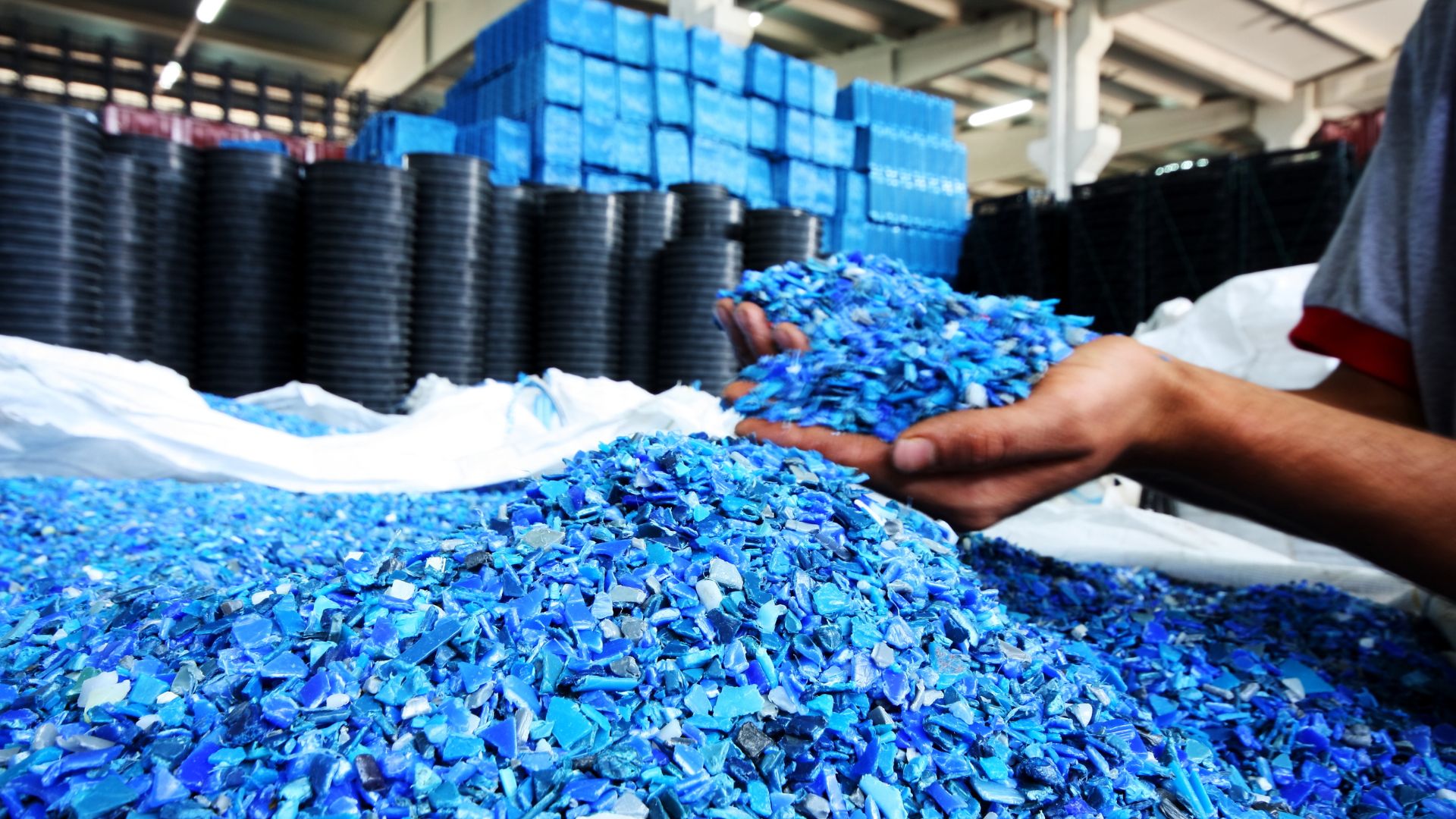
As part of a larger effort to address growing environmental concerns, the Nigerian government has directed plastic manufacturers and beverage bottling industries to take more responsibility for plastic trash damaging the environment.
The National Council on Environment (NCE), the nation’s highest policy advisory body on environmental matters, adopted recommendations at its 18th session that resulted in the order.
The goal of the meeting, which was held in Katsina State from December 15 to 17, was to improve Nigeria’s framework for environmental governance.
See here: Dangote Refinery’s ambitious expansion: A game changer for Nigeria’s manufacturing sector
The seminar, held under the theme “Addressing the Triple Planetary Crisis of Climate Change, Biodiversity Loss, and Pollution for Sustainable Development in Nigeria,” was headed by Balarabe Lawal, Minister of Environment.
It brought together key stakeholders such as state environmental commissioners from all 36 states, permanent secretaries, heads of environmental agencies, development partners, civil society groups, researchers, and journalists.
Deliberations at the forum focused on serious environmental challenges posed by mining operations, plastic trash, and public health concerns across the country.
Participants agreed on a variety of preventive and corrective steps to reduce environmental damage, PremiumTimes reported.
The council determined, in a unanimously accepted communiqué at the meeting’s conclusion, that all plastic producers and bottling corporations must implement the Extended Producer Responsibility (EPR) framework.
Under this strategy, businesses would be compelled to accept responsibility for the plastic garbage generated by their products across Nigeria.
Additional resolutions for plastic manufacturers
The communiqué also listed additional policy approvals, such as orders to regulatory and legal authorities to prohibit mineral processing facilities from being located in residential areas or designated restricted zones across states and the Federal Capital Territory.
In addition, plastic manufacturers and bottling firms were explicitly required to organize and fund the collection, recycling, and correct disposal of plastic waste generated by their activities.
The council also recommended the urgent implementation of climate change risk assessments into the national Environmental Impact Assessment (EIA) process, with a focus on environmentally sensitive areas such as the Niger Delta.
The council observed that these resolutions aim to boost environmental preservation, preserve public health, and promote sustainable development throughout Nigeria.
