


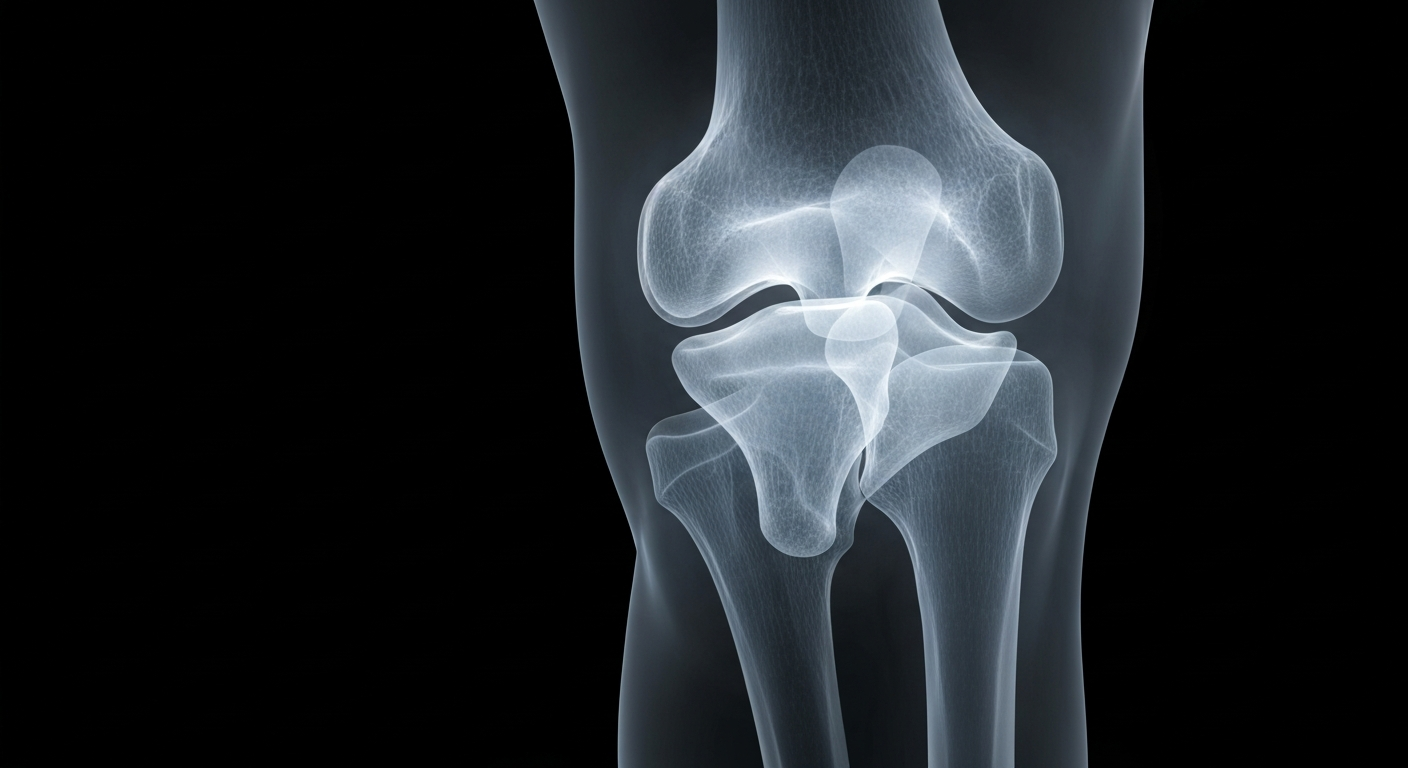
This could be a big breakthrough for scientists involved in the study of osteoarthritis. An experimental drug has been shown in early animal experiments to be able to reverse some of the damage done by the disease, and improvements have been noticeable in just a few weeks.
Osteoarthritis is a joint disorder that is among the most prevalent in the world, with hundreds of millions of people being affected. It occurs when the protective cartilage in the joints degenerates with time, causing pain, stiffness, and difficulty in moving, especially in the knees, hips, and hands.
That damage could not be repaired by doctors in any way for decades. Therapy has primarily been aimed at curing the pain by using drugs, physical exercises, or in extreme situations, joint replacement surgeries.
This new study, released this week, indicates that this may one day alter. The experimental drug in experiments on mice and rats with symptoms of osteoarthritis assisted in the regeneration of cartilage, inflammation, and in the improvement of the functioning of the joints, much quicker than anticipated by the researchers.
The animals had exhibited definite signs of recovery after two to four weeks of treatment; of course, it’s still very early days. What works well in animals may not necessarily be the same for humans, and the drug will have to undergo numerous additional phases of testing, such as safety tests and large-scale human trials, before it can be considered for application to actual patients.
Nonetheless, the results have produced a real buzz among scientists since osteoarthritis has been among the most difficult to treat at the source. Should this drug ever turn out safe and effective in humans, it has the potential to provide actual hope to millions of people who now face life with chronic joint pain and restricted mobility.
See here: Zimbabwe’s richest man unveils a tech city
A new therapy that may actually repair cartilage would be of special interest to nations such as Nigeria and many other countries in Africa, where more sophisticated therapies, such as joint replacements, are not readily available, and pain treatment may be costly.
Effective treatments are now an increasing priority in public health as populations age and lifestyles change, leading to an increased prevalence of osteoarthritis. The research team is currently undertaking the subsequent steps to get a better idea of how the drug functions and to prepare potential human studies.
Although it is too early to call this a cure, many experts believe it may be one of the most promising new osteoarthritis research findings in a long time.In the meantime, the word is one of reserved optimism: reversing osteoarthritis can no longer be totally inaccessible.
