


Nigeria’s purchases of refined petroleum products from Malta fell dramatically in 2024, by around 60%.
The reduction represents a significant shift in the country’s downstream supply chain, as the Dangote Refinery ramps up production.
According to new TradeMap data, Nigeria purchased only $818 million in petroleum oils and related products from Malta in 2024, significantly less than the previous year’s total of more than $2.1 billion.
Between 2017 and 2022, Nigeria seldom imported any petrol from Malta. When imports reached above $2 billion in 2023, that drastically changed.
At the time, industry experts connected this increase to uncommon trade channels and purported offshore blending activities.
The chairman of Dangote Industries, Aliko Dangote, had alleged that certain Nigerian National Petroleum Company (NNPC) Limited officials ran a blending plant in Malta in cooperation with specific oil traders and terminals, raising concerns about irregularities in the fuel supply chain, foreign exchange losses, and transparency.
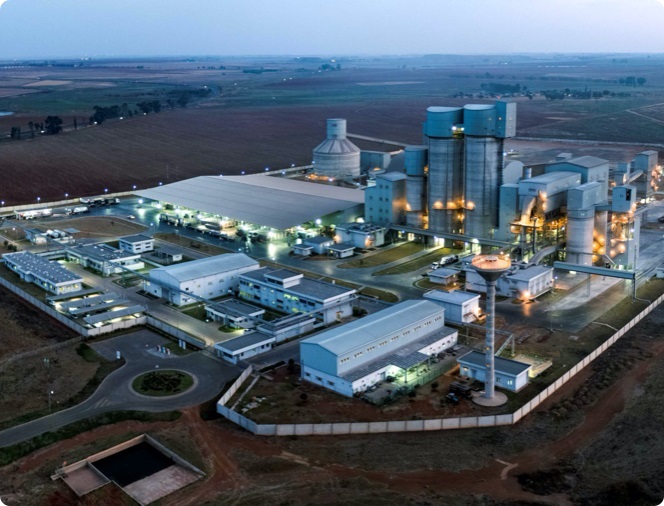
The story shifted when the Dangote Petroleum Refinery, the world’s largest single-train refinery at 650,000 barrels per day, began producing diesel and aviation fuel in early 2024.
Petrol production began shortly after.
According to energy experts, the increase in local refining capacity is a fundamental reason for the steep decrease in Malta-origin imports.
One industry assessment shows that Nigeria’s petrol import bill will fall by 54% year on year by the first quarter of 2025, owing primarily to increased domestic supply from the Dangote complex, BusinessDay reports.
Shipping data also reflects the shift.
Nigeria’s seaborne imports of clean petroleum products allegedly fell by approximately 39% in the first seven months of 2025 compared to the same time in 2024, reflecting the refinery’s progressive ramp-up.
“As domestic refining builds up, importation of refined petroleum products becomes less urgent,” said Jide Pratt, country manager of TradeGrid.
Pratt, who also serves as COO at AIONA, added that reliance on Dangote’s refinery remains significant because government-owned refineries have yet to return to optimal operation.
He noted that a shutdown of the refinery’s RFCC unit for maintenance could temporarily reduce Premium Motor Spirit (PMS) output from around 70 percent capacity to about 30 percent.
