


A surprising discovery about how plant cells manage oxygen could help scientists breed crops that better withstand drought, heat, and other stresses made worse by climate change.
Researchers from the University of Oxford and collaborators have shown that mitochondria (the tiny power plants inside plant cells) can actively pull oxygen away from important biochemical reactions when conditions become difficult.
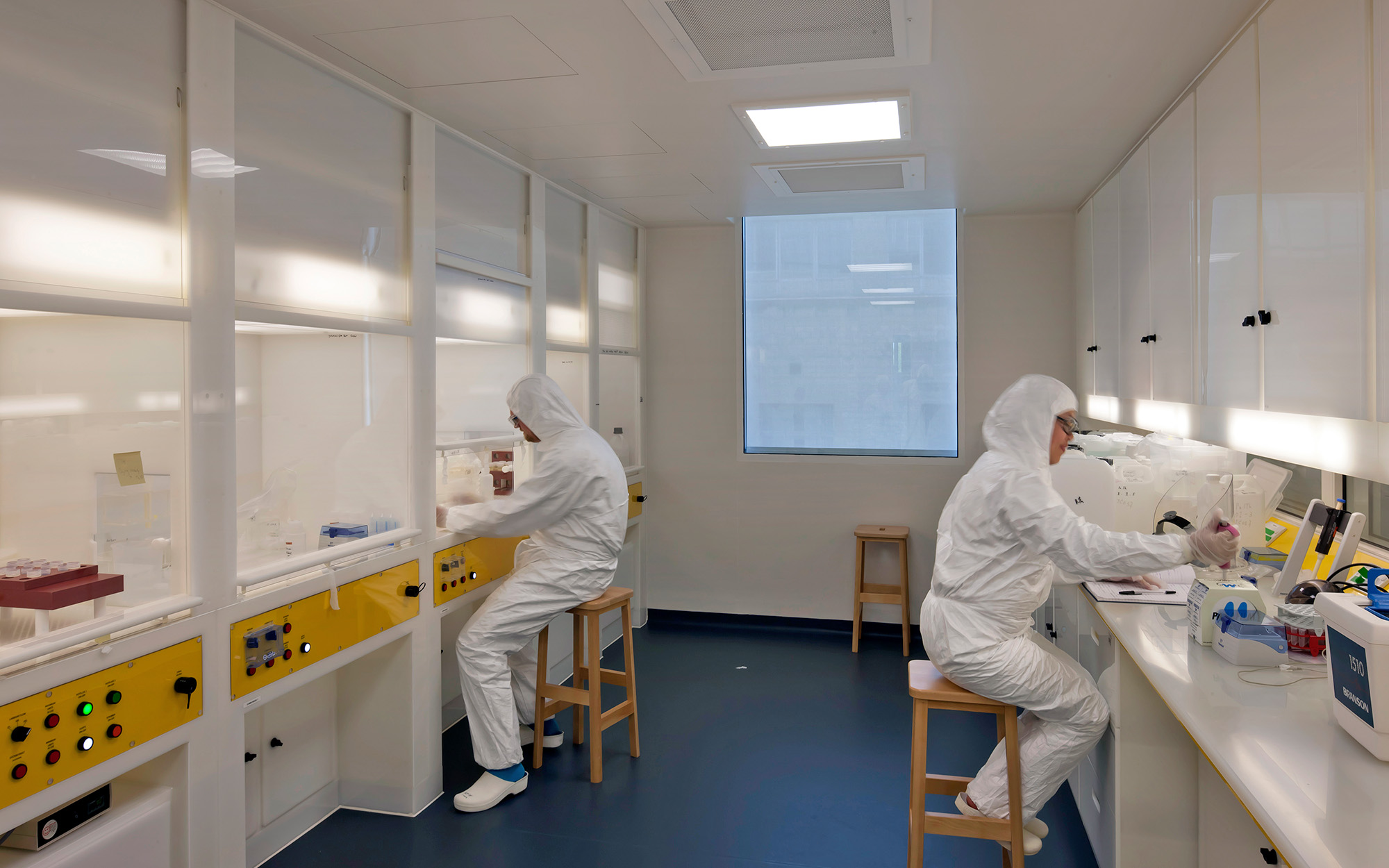
The study used advanced imaging and biochemical techniques to watch oxygen movement inside living plant cells.
Normally, mitochondria use oxygen to generate energy through a process called respiration.
However, the team found that under stress (such as low water, high temperature, or low light), mitochondria can switch into a mode where they consume oxygen faster than needed, effectively “stealing” it from other parts of the cell.
This oxygen drain reduces the amount available for photosynthesis and other oxygen-sensitive reactions that help plants grow and defend themselves.
When oxygen levels drop in certain compartments, plants slow down growth, close leaf pores (stomata), and activate stress-response genes. Until now, scientists thought this was mostly a passive response to low oxygen supply.
The new evidence shows it is partly an active choice by the mitochondria, which can ramp up their own oxygen use to protect themselves or signal stress to the rest of the cell.
Crop plants (maize, rice, wheat, cassava, yam, sorghum, and others grown across Africa, Asia, Latin America, and beyond) already face increasing heatwaves, irregular rainfall, and soil degradation.
When plants lose oxygen in key areas, yields drop, leaves wilt faster, and seeds may not fill properly.
Understanding this hidden oxygen-stealing mechanism gives breeders and genetic engineers a new target: plants that can better control how mitochondria use oxygen might stay productive longer under harsh conditions.
The researchers suggest that tweaking genes related to mitochondrial oxygen consumption could lead to more resilient varieties.
This could be especially valuable in tropical and subtropical regions where smallholder farmers depend on rain-fed agriculture and have limited access to irrigation or expensive inputs.
The discovery builds on decades of research into plant respiration and stress responses.
It also shows how basic science (studying the inner workings of a single cell) can eventually lead to practical solutions for feeding a growing world population under a changing climate.
