


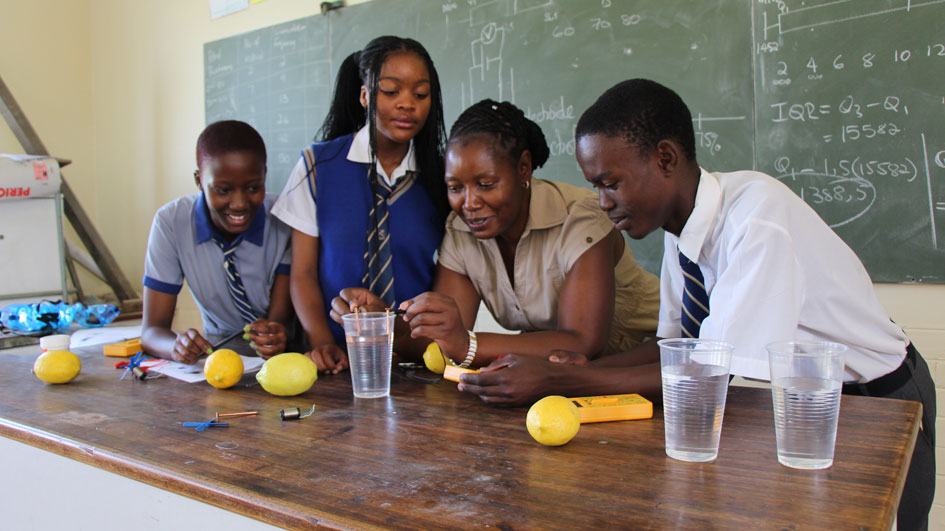
South Africa’s education system is facing a stark warning: without bold reforms, the country’s STEM pipeline risks collapse, as evidenced by a sharp drop in pure mathematics pass rates among high school graduates.
The class of 2025 achieved an overall pass rate of 88%, but only 34% attempted pure math, with success dipping to 64% from 69% the previous year.
Experts point to weak foundations in early education, overcrowded classrooms, and a lack of qualified teachers as key culprits.
“We’re not just failing exams; we’re failing to prepare a generation for the digital economy,” said education analyst Graeme Bloch, echoing concerns from government officials.
The crisis mirrors global trends but hits harder in Africa, where STEM skills are vital for tackling issues like renewable energy and food security.
Initiatives like KwaZulu-Natal’s specialized STEM schools are showing promise, producing innovators in coding and clean tech alongside top matric results.
Yet, broader changes such as curriculum updates and teacher training are urgently needed to boost enrollment and performance.
As South Africa eyes economic recovery, strengthening STEM education could drive innovation in sectors from mining to biotech, creating jobs and positioning the nation as a continental leader. Policymakers are under pressure to act before the gap widens further.`
