


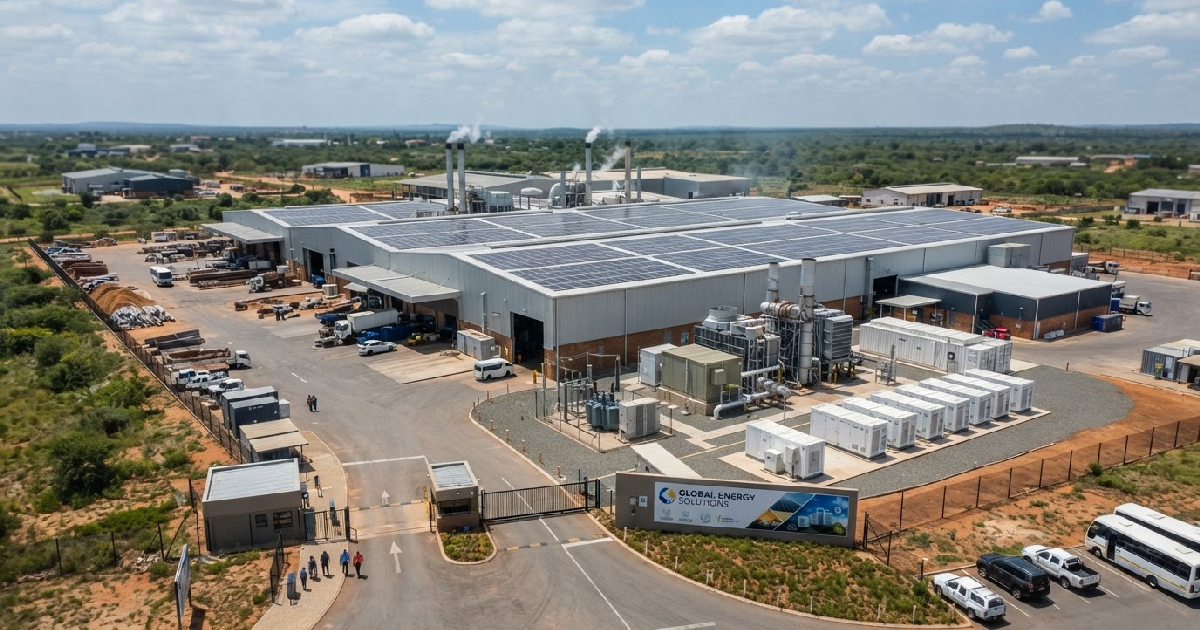
Industrial manufacturers are increasingly bypassing traditional electricity grids, opting instead for onsite power generation to secure energy independence.
The move comes as lengthy interconnection queues, electricity demand outpacing supply, and frequent outages make relying solely on public utilities a significant operational risk. Manufacturers are building their own solutions to ensure continuous operations and shield themselves from supply volatility. This approach offers economic resilience, sustainability, and protection against price fluctuations and supply shortages.
The growing imperative for industrial energy independence
Global electricity demand is projected to climb by 3.4% annually from 2024 to 2026, putting immense strain on existing infrastructure. This demand surge, fuelled by artificial intelligence (AI), electrification, and data centre growth, often outpaces the grid’s capacity to adapt and expand.
In the United States, for instance, experts forecast the electricity supply will fall short of anticipated peak demand within two years. By 2030, demand could exceed supply by 175 GW, an amount equivalent to powering New York City twenty times over. Aging infrastructure compounds these issues, placing unprecedented pressure on the grid.
Financial toll of unreliable power
Grid instability translates directly into substantial financial losses for manufacturers. A 25 MW facility could incur losses of approximately $4.4 million cost from just five hours of annual power outages, which is the average for US grid customers.
Beyond direct outages, power quality issues, such as voltage fluctuations, can result in tens of thousands of dollars in further losses. These disruptions compromise sensitive machinery and halt production, eroding profitability and competitive advantage in competitive markets. Some data centers are already exploring solutions to these pressures, with one-third of big data centres expecting to be powered entirely by onsite generation by 2030.
Diverse technical pathways to onsite power
Manufacturers now have several proven technologies to choose from for their onsite power needs. These range from established methods to more advanced, cleaner options, each with distinct advantages and drawbacks tailored to different operational profiles.
Traditional solutions like diesel generators and gas turbines offer reliable backup power but come with environmental and noise concerns. Their role is increasingly being re-evaluated in favour of more sustainable and integrated alternatives.
Sustainable and hybrid power solutions for industry
Solar power, often combined with battery energy storage systems (BESS), presents a compelling clean energy solution. While solar PV costs have plummeted by over 90% since 2010, the need for robust storage ensures consistent, reliable supply, particularly for energy-intensive industrial operations. The renewable sector in the U.S. has also recorded 11% annual job growth.
Fuel cells, like those provided by Bloom Energy, offer clean, efficient, and reliable electricity without combustion. These systems are gaining traction among industrial customers looking for a cost-effective path to self-sufficiency and reduced emissions. Manufacturers in Egypt, for example, are seeing local energy technology production boosted by key players.
Cogeneration (combined heat and power) and trigeneration systems maximise energy utilisation by simultaneously producing electricity, heat, and sometimes cooling. This integrated approach reduces waste and significantly boosts overall energy efficiency, making the most of primary fuel sources. Such systems represent a key part of distributed power strategies.
Strategic planning for energy autonomy
Implementing onsite power requires careful strategic planning tailored to a manufacturer’s specific operational needs and timelines. JLL’s guide on overcoming energy constraints, published March 20, 2026, outlines a clear framework for this complex decision-making process.
Short-term strategies, typically implemented within two years, focus on rapid deployment to get power online without delays from grid interconnection queues. This might involve modular or readily available solutions that can be scaled later. A related concern is how grid voltage spikes can disrupt operations.
Long-term vision for self-sufficiency and resilience
Medium-term plans, spanning two to six years, aim to bridge power gaps while waiting for potential grid upgrades or larger, more permanent onsite projects. This phase often involves scaling up initial installations or transitioning to more integrated energy systems, helping to build more resilient operations and supply chains.
For the long term, typically over six years, the goal is complete energy independence with permanent, reliable power infrastructure. This ensures resilience against future grid instabilities, energy market fluctuations, and unpredictable pricing.
Evaluating potential solutions means asking critical questions: What is the fuel source, and what are its availability, reliability, and emissions profile? How reliable is the solution in terms of uptime, maintenance requirements, and its ability to deliver clean, stable power? The “time to power” – how quickly a solution can be implemented – is also a crucial metric for manufacturers facing immediate constraints.
Energy efficiency underpins industrial resilience
Beyond generating their own power, energy efficiency remains a cornerstone of managing industrial power needs. Reducing energy use by just 10% can save the sector up to $18 billion in consumption costs, freeing up capital for other investments.
Manufacturers should pinpoint key areas for efficiency gains, with process heating and machine drives often presenting the greatest opportunities for improvement. Investing in upgrades here can significantly lower overall demand, reducing the burden on both grid and onsite generation systems. Electric vehicles and heat pumps, for example, are two to four times more energy-efficient than comparable fossil fuel-powered technologies.
The drive for manufacturer energy independence holds particular significance for African manufacturers. Businesses in Sub-Saharan Africa, for example, experienced an average of 10.1 hours of power outages per month in 2020. This stark reality underscores the immediate and critical need for reliable, decentralised power solutions to ensure industrial growth and stability.
As the continent pushes for industrialisation, fostering local expertise in power generation and energy management becomes paramount. It’s not just about overcoming current challenges but building a robust foundation for sustainable, self-reliant industrial futures. This ensures manufacturing operations can scale and thrive without being held back by an unstable energy supply.
The Grattan Institute highlights a key consideration: “Pursuing energy sovereignty by boosting domestic fossil fuels without renewables risks an isolated, expensive, and environmentally harmful future.” This underscores the need for a balanced approach, integrating diverse energy sources, including renewables, for true long-term energy independence.
Bloom Energy also offers a playbook, “Onsite Power: A Decision Playbook for Manufacturers,” for those looking to delve deeper into these strategies.
