


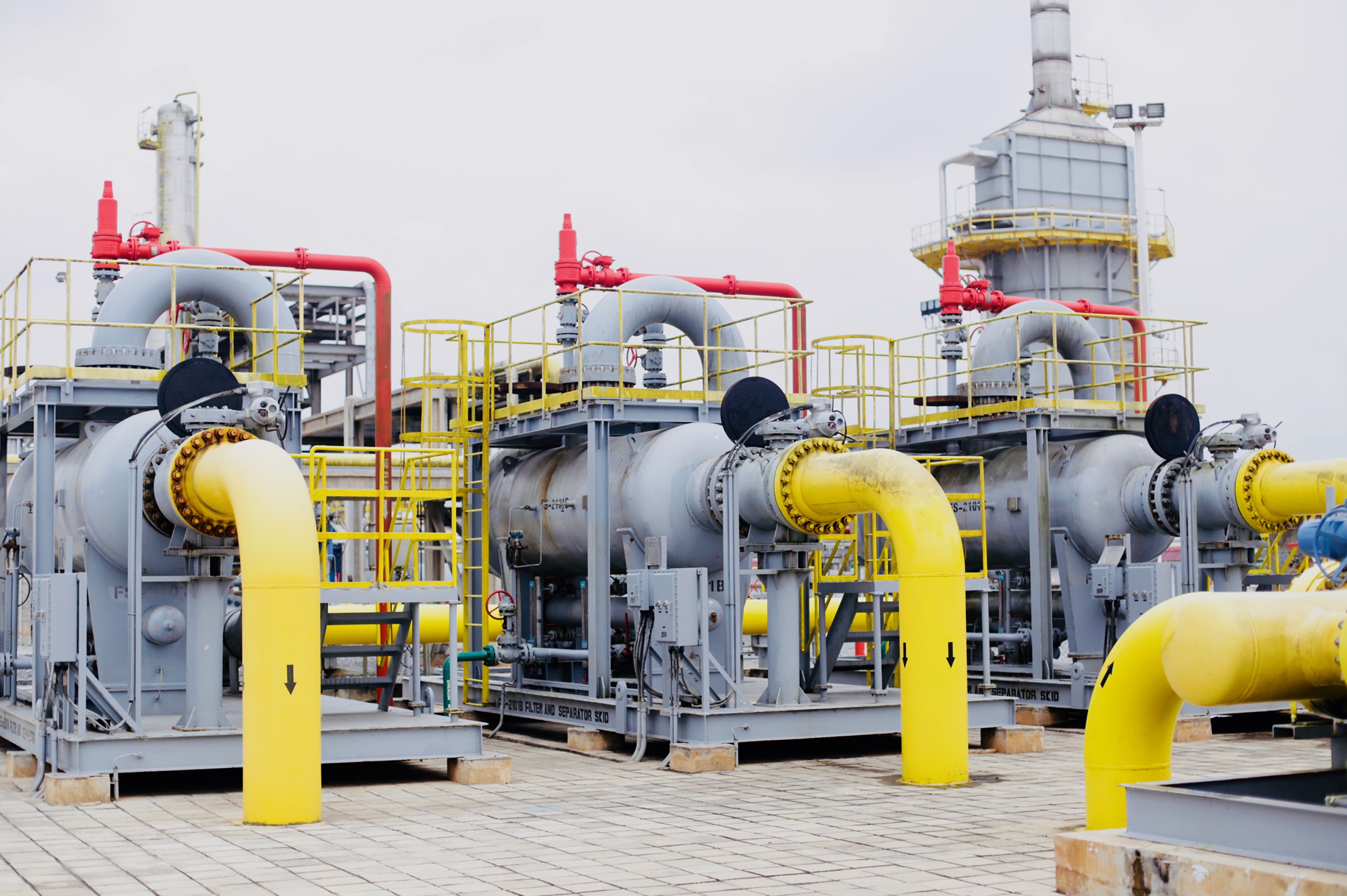
Ghana is renewing its efforts to resuscitate local refining aspirations after the Tema Oil Refinery (TOR) received one million barrels of Nigerian oil, widely seen as a vital step toward stabilizing operations at the long-dormant plant.
The delivery, which is part of a tolling agreement, permits third-party suppliers to furnish crude oil in return for a percentage of refined goods.
The concept is intended to alleviate the refinery’s cash-flow restrictions while progressively increasing output without necessitating big initial crude purchases.
The cargo, described as Bonga crude, a high-quality light sweet grade from Nigeria’s offshore deepwater reserves, was delivered by the Cap Felix vessel under a trade agreement with Triangle Commodities trade.
Refinery officials welcomed the event as a significant step forward in efforts to restore operational stability, increase Ghana’s fuel security, and reduce reliance on imported refined petroleum products.
TOR, which has a processing capacity of around 45,000 barrels per day, has experienced many shutdowns in recent years owing to budget deficits, crude shortages, and maintenance issues.
The refinery briefly restarted limited operations after a four-year hiatus, but was forced to shut down again owing to a lack of feedstock.
See here: AeriusPro: Ghana’s domestically manufactured UAV is set to transform security operations
As a result, the new influx is regarded as one of the most important efforts in recent years to restore sustained refining activities.
According to the tolling system, TOR processes crude owned or funded by external partners and returns a percentage of refined fuels such as gasoline, diesel, LPG, kerosene, and aviation fuel.
This strategy is intended to assist short-term operations while the refinery works on long-term financial reorganization.
Beyond operational recovery, the finding has far-reaching ramifications for Ghana’s energy balance.
A fully operational local refinery might relieve pressure on foreign exchange reserves, minimize susceptibility to global fuel price fluctuations, and improve downstream supply stability.
It also brings Ghana back into the quickly changing West African refining scene, where new capacity additions, particularly at bigger regional facilities, are redefining competitiveness and crude flow dynamics.
While fundamental issues such as funding sustainability and reliable feedstock supply persist, the current crude delivery represents a fresh effort to recast Tema Oil Refinery as a functioning contributor to West Africa’s refining ecosystem.
