
Close Menu
Makers

    Subscribe to Updates

    Get the latest creative news from FooBar about art, design and business.

    What's Hot

    From byproduct to benchmark: The policy shift redefining African cashew production

    April 15, 2026

    Zimbabwe’s richest man unveils a tech city he is building, designed for industrialists and experts

    April 15, 2026

    Refiant AI: The South African startup that is making powerful AI run without data centres

    April 14, 2026
    Facebook X (Twitter) Instagram
    Makers Thursday, April 16
    • Send us an email
    Facebook X (Twitter) Instagram LinkedIn
    • Homepage
    • About us
    • News

      Zimbabwe’s richest man unveils a tech city he is building, designed for industrialists and experts

      April 15, 2026

      Scientists use AI and fossilized dinosaur collagen to create Lab-Grown “T-Rex leather” for luxury handbag

      April 9, 2026

      Another African country has joined the ranks of gold manufacturers by inaugurating its first gold refinery

      April 8, 2026

      South Africa to host a Chinese automobile company’s EV production for Africa

      April 4, 2026

      Nigerian manufacturers reveal one of its biggest problems, and how some banks add to it

      April 2, 2026
    • Features
    • Contact
    Makers
    Email us
    Home » From byproduct to benchmark: The policy shift redefining African cashew production
    Features

    From byproduct to benchmark: The policy shift redefining African cashew production

    Adeyemi MuseBy Adeyemi MuseApril 15, 2026No Comments3 Mins Read3 Views
    Facebook Twitter Pinterest Telegram LinkedIn Tumblr Copy Link Email
    Follow Us
    Google News Flipboard
    Share
    Facebook Twitter LinkedIn Pinterest Email Copy Link

    For a long time, the global cashew trade didn’t really work well. West and East African countries produce nearly 60% of the world’s raw cashew nuts, yet more than 90% of those nuts used to be sent straight to Asia for processing. It wasn’t just the nuts that were overlooked.

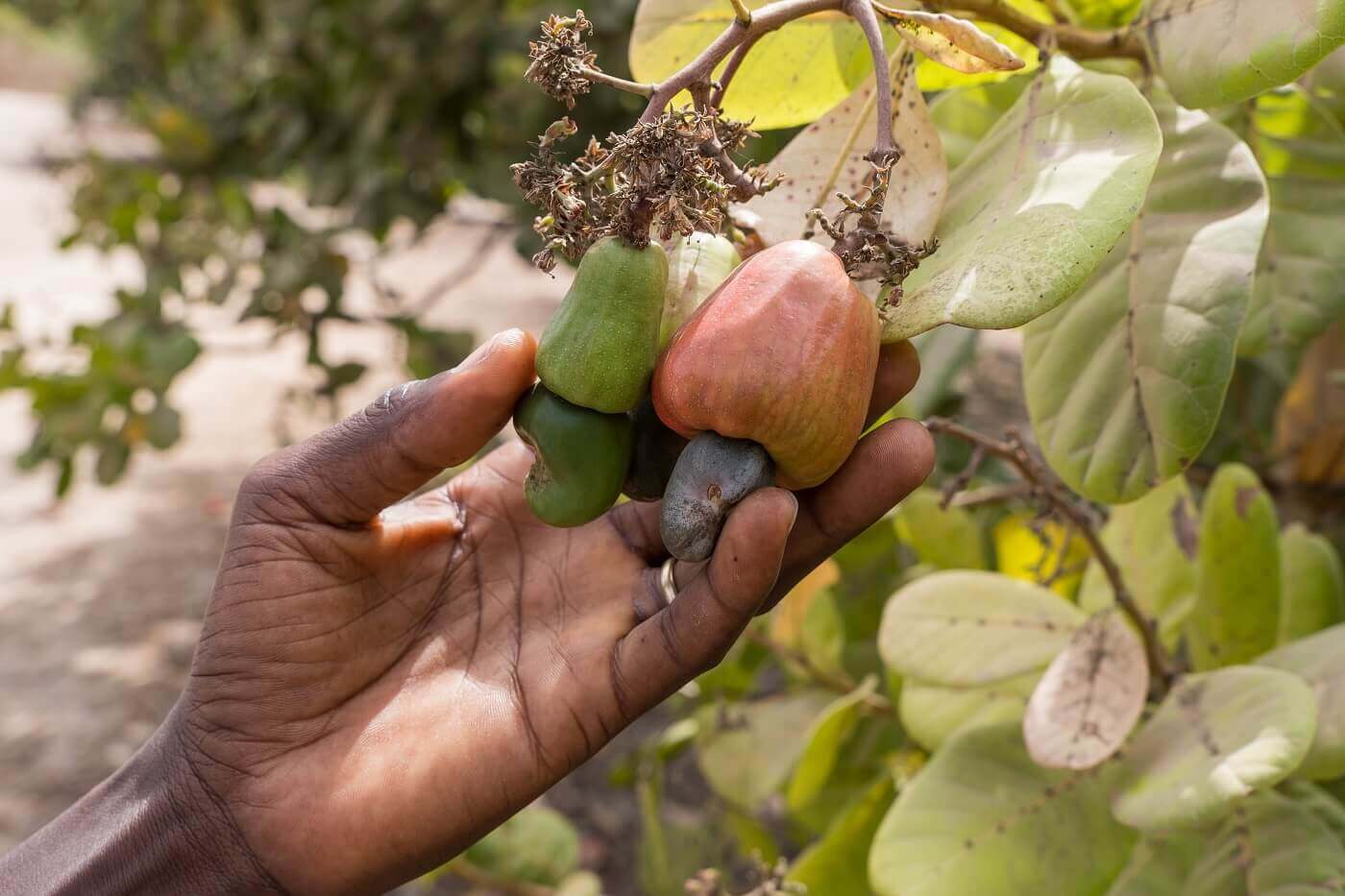
    The cashew apple (the juicy, vitamin-rich fruit surrounding the nut) rarely made it to the market because it spoils within a day. Farmers often just left it to rot every season, with billions of tons sitting in orchards across Ghana and Malawi.

    As of 2026, things are shifting quickly and looking very different. Governments are no longer just passive suppliers. They’re focusing on building factories and investing heavily in processing to keep more value within their countries.

    Instead of sending raw materials away only to buy back the finished product at much higher prices, they want to use everything (the nut, the shell, and even the apple).

    Ghana is leading this change through its Tree Crops Development Authority (TCDA). They aren’t just giving farming tips anymore; their goal is to process half of Ghana’s raw cashews locally.

    To push this, TCDA set a Minimum Producer Price of GH¢12 per kilo for 2025/2026 and is considering a 5% to 10% export tax on raw nuts.

    This sends a clear message to investors: build your processing plants here. As a result, local processors have started finding ways to use the cashew apple instead of wasting it.

    Malawi is taking a slightly different approach with health and exports in mind. Under their National Export Strategy II, they’re shifting focus from tobacco to cashew, especially making use of the apple.

    Rather than buying costly supplements to treat anemia, Malawian companies are stabilizing the Vitamin C in cashew apples to create fortified food products that fit local needs. This helps address health issues and reduces waste from the crop.

    The cashew shell, which used to be a difficult and harmful waste problem, is now being turned into fuel briquettes. In areas where people have traditionally relied on timber for fuel, switching to cashew briquettes makes sense because they burn longer and more evenly, helping to protect local forests.

    Now, it’s not just about saving the fruit, it’s about countries improving how they use what they already have. By combining thoughtful policies, targeted technology, and a smarter approach to waste, Ghana and Malawi are showing how much more is possible.

    They’re setting a new standard for the global cashew industry by fully utilizing their resources instead of trying to get more.

    Cashew Cashew products
    Follow on Google News Follow on Flipboard
    Share. Facebook Twitter Pinterest LinkedIn Telegram Email Copy Link
    Adeyemi Muse

    Related Posts

    Refiant AI: The South African startup that is making powerful AI run without data centres

    April 14, 2026

    Nigeria’s ₦1.11 trillion energy problem meets PowerLabs, the startup optimising power for manufacturing

    April 10, 2026

    Ducati unveils extreme street-legal superbike: ultra-light carbon fiber machine weighs just 368lb

    April 10, 2026
    Leave A Reply Cancel Reply


    The reCAPTCHA verification period has expired. Please reload the page.

    Recent Posts

    • From byproduct to benchmark: The policy shift redefining African cashew production
    • Zimbabwe’s richest man unveils a tech city he is building, designed for industrialists and experts
    • Refiant AI: The South African startup that is making powerful AI run without data centres
    • Nigeria’s ₦1.11 trillion energy problem meets PowerLabs, the startup optimising power for manufacturing
    • Ducati unveils extreme street-legal superbike: ultra-light carbon fiber machine weighs just 368lb
    Stay In Touch
    • Facebook
    • Twitter
    • Pinterest
    • Instagram
    • YouTube
    • Vimeo

    Subscribe to Updates

    Get the latest creative news from SmartMag about art & design.

    About Us
    About Us

    Makers is Nigeria’s premier digital platform dedicated to manufacturing related news and content across Africa.

    Facebook X (Twitter) Instagram LinkedIn
    News

    Zimbabwe’s richest man unveils a tech city he is building, designed for industrialists and experts

    April 15, 2026

    Scientists use AI and fossilized dinosaur collagen to create Lab-Grown “T-Rex leather” for luxury handbag

    April 9, 2026

    Another African country has joined the ranks of gold manufacturers by inaugurating its first gold refinery

    April 8, 2026
    Features

    From byproduct to benchmark: The policy shift redefining African cashew production

    April 15, 20263 Views

    Refiant AI: The South African startup that is making powerful AI run without data centres

    April 14, 20267 Views

    Nigeria’s ₦1.11 trillion energy problem meets PowerLabs, the startup optimising power for manufacturing

    April 10, 202614 Views
    • Homepage
    • News
    • Features
    • Get In Touch
    • Privacy Policy
    • Cookie Policy
    Makers © 2026. All right reserved.

    Type above and press Enter to search. Press Esc to cancel.