


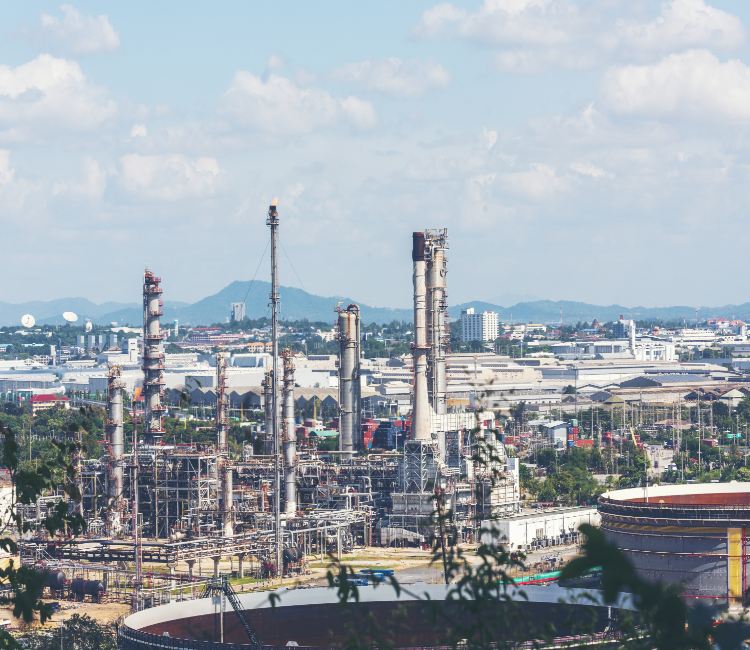
Angola is scheduled to open its first gold refinery in the first half of the year, marking a key step in the country’s efforts to diversify its industrial base and extract more value from its natural resources.
The plant, which is located in Viana near Luanda, has already completed construction and equipment installation.
Angola gold refinery set to transform domestic industry
Government officials say final commissioning and technical calibrations are already ongoing.
Once operational, the refinery is planned to process approximately 20 kilos of gold per day, adding a new layer of domestic value to the country’s mining industry.
The initiative symbolizes more than just a new facility; it foreshadows a larger manufacturing shift.
For decades, Angola’s economy has been primarily reliant on crude oil and diamonds, making it vulnerable to global commodity price changes.
As Angola seeks to lessen its reliance on raw materials, it is increasingly focusing on domestic processing and industrial transformation rather than exporting them.
Gold refinery part of wider African resource processing trend
This initiative is consistent with a broader trend in Africa, in which resource-rich countries are investing in refining and processing facilities to increase foreign exchange revenues, create skilled jobs, and reinforce domestic supply chains.
See here: India set to lead the expansion of Africa’s largest fuel manufacturing outfit
By refining gold locally, Angola may keep greater economic value within its borders while also developing technical knowledge in resource processing.
The timing is also strategic.
Global diamond markets have been under prolonged pressure due to sluggish demand in key economies and the advent of lab-grown substitutes.
While Angola’s diamond output remains high, the government is driving diversification into other minerals and downstream sectors.
Gold production is expected to play a central role in feeding the refinery, while exploration efforts are expanding into minerals such as copper, iron ore, manganese, and niobium.
Authorities also intend to increase phosphate and rare earth element production by 2027, both of which are critical feedstocks for agriculture and sustainable energy technology.
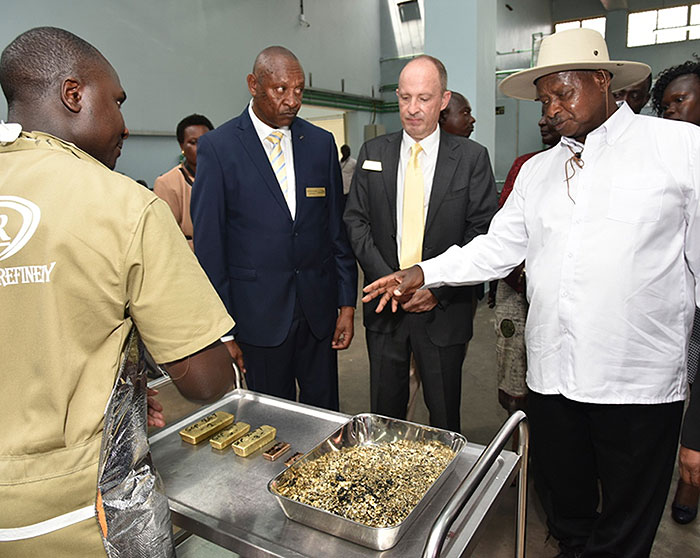
Currently, more than 14 African countries, including South Africa, Uganda, and Ghana, host formal gold refineries.
While for decades most gold was exported raw, African nations are increasingly establishing local refining capacity to not only extract their raw materials but also manufacture and refine their products.
