


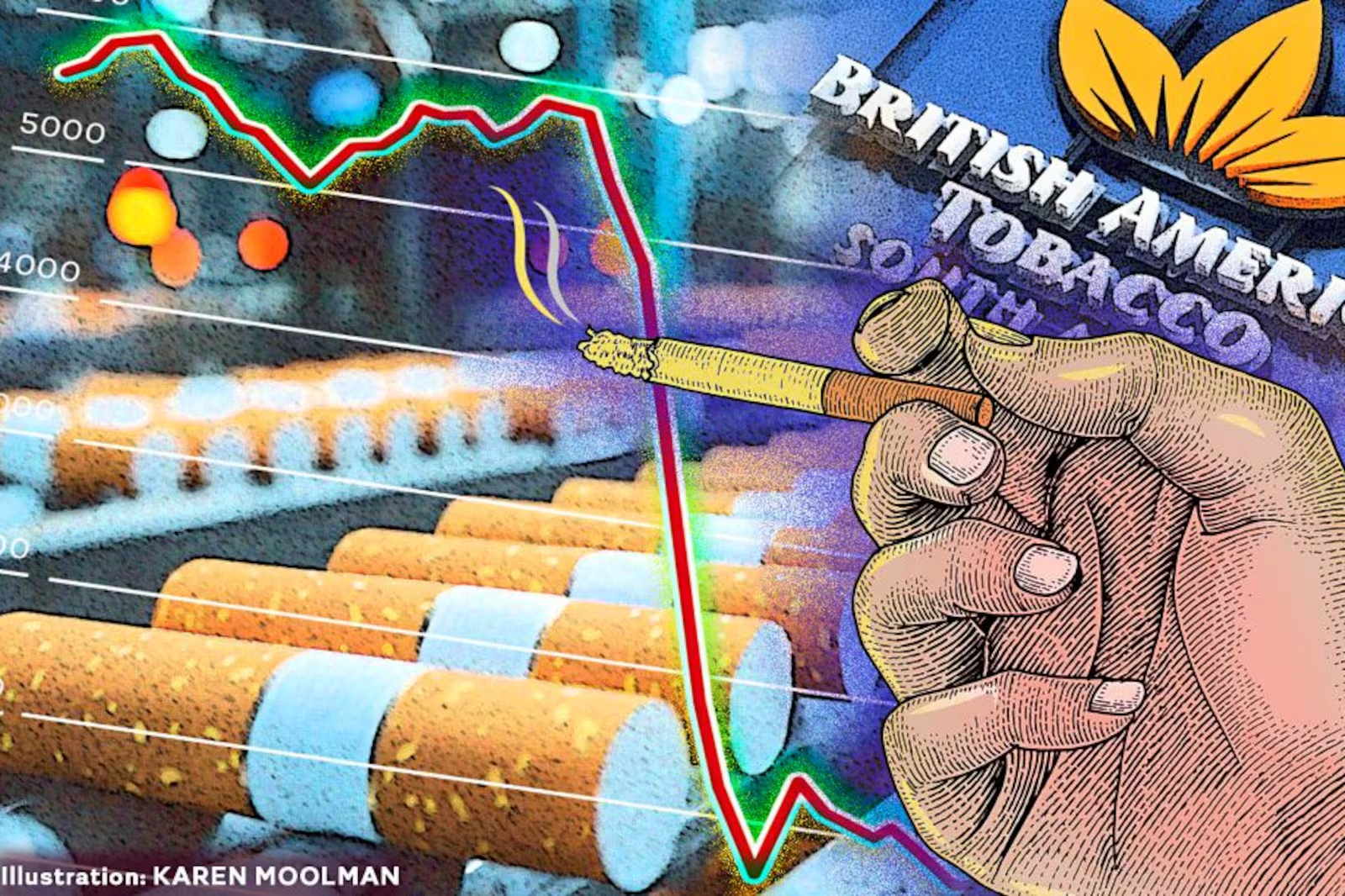
British American Tobacco (BAT) plans to close its last South African cigarette manufacturing plant by the end of 2026, while its US subsidiary, Reynolds American, is investing more than $3.2 billion in American operations by 2030.
The two developments highlight the different manufacturing decisions BAT is making across its markets. In South Africa, the company says the growth of illicit cigarette sales has made local production unviable. In the United States, Reynolds American plans to expand manufacturing capacity, strengthen domestic supply chains and invest in product development.
US investment contrasts with South African closure
Reynolds American announced in March 2026 that it would invest more than $3.2 billion across its US operations by 2030. The programme began in 2024 and is expected to support more than 2,000 direct and indirect jobs across its operations and US supply network.
The investment will support manufacturing expansion, innovation, supply-chain development and workforce capabilities. Reynolds American is a wholly owned subsidiary of BAT and serves as the group’s US parent company for several tobacco and nicotine businesses.
In South Africa, BAT announced on 15 January 2026 that it would end local production of factory-manufactured cigarettes and close its Heidelberg facility in Gauteng by the end of the year.
The company says the plant is operating at approximately 35% of capacity because of declining volumes associated with the illicit cigarette trade. BAT estimates that illicit products account for around 75% of the South African cigarette market, although this figure is the company’s estimate rather than an independently established market measurement.
The closure is expected to affect approximately 230 employees. BAT South Africa said it would continue serving the local market through an import-based supply chain, rather than withdrawing from the country entirely.
Illicit trade and the South African market
BAT has attributed the Heidelberg closure to the growth of illicit cigarette sales, arguing that legal manufacturers are losing sales to products sold outside the formal regulatory and tax system.
Research by Ipsos published in October 2026 found that cigarettes priced below South Africa’s minimum collectable tax of R27.12 per pack were available in approximately 75% of surveyed stores. The finding indicates the continued availability of low-priced cigarettes, although the proportion of stores where such products were found should not be confused with the estimated share of the national market that is illicit.
The closure process includes consultation with affected employees and unions under South African labour law. BAT said these consultations were expected to conclude by the end of March 2026, with the factory closure planned for the end of the year.
The plant has operated in Heidelberg since 1975. Its closure will end more than five decades of local cigarette manufacturing by BAT in South Africa.
BAT’s Horizon 2030 strategy
BAT’s wider strategy, outlined at its Capital Markets Day in October 2024 and developed further in 2026, aims to increase the contribution of non-combustible nicotine products to the business.
Its portfolio includes Vuse vapour products, glo heated tobacco products and Velo modern oral nicotine products. The company is seeking to expand these categories while maintaining its established combustible tobacco business.
BAT’s medium-term financial guidance targets annual revenue growth of 3–5% and adjusted profit growth of 4–6%, measured at constant exchange rates. It also aims to generate more than £50 billion in free cash flow before dividends between 2024 and 2030.
The company has also introduced Fit2Win, a three-year efficiency programme expected to deliver approximately £600 million in annualised cost efficiencies by the end of 2028. BAT says these savings will support operational efficiency and provide funds for investment in its growth areas.
These are company targets, and their delivery will depend on market conditions, regulation, consumer demand and the performance of its product categories.
Financial performance and investment capacity
BAT reported revenue of £25.61 billion for 2025, with revenue increasing by 2.1% at constant exchange rates. Revenue from New Categories grew by 7% at constant rates, according to the company’s annual results.
The group reported a leverage ratio of 2.48 times adjusted net debt to adjusted EBITDA in 2025 and is targeting a ratio within its 2.0–2.5 times range by the end of 2026.
The company’s financial performance provides context for its continued investment in US operations, but the South African closure has a different immediate driver: BAT’s assessment that local cigarette manufacturing is no longer commercially viable at current sales volumes.
Manufacturing strategy across different markets
The contrast between the Heidelberg closure and Reynolds American’s investment reflects BAT’s approach to allocating resources across its global operations. In South Africa, the company plans to replace local cigarette production with imports. In the United States, it is investing in additional manufacturing capacity and product development.
The South African factory is scheduled to close by the end of 2026, while Reynolds American’s investment programme extends to 2030. The longer-term outcome will depend on whether BAT can deliver its stated growth and efficiency targets while navigating changing regulation, competition and consumer demand.
For now, the two developments mark distinct changes in the group’s manufacturing footprint: an end to local cigarette production in South Africa and a planned expansion of US manufacturing operations.
