


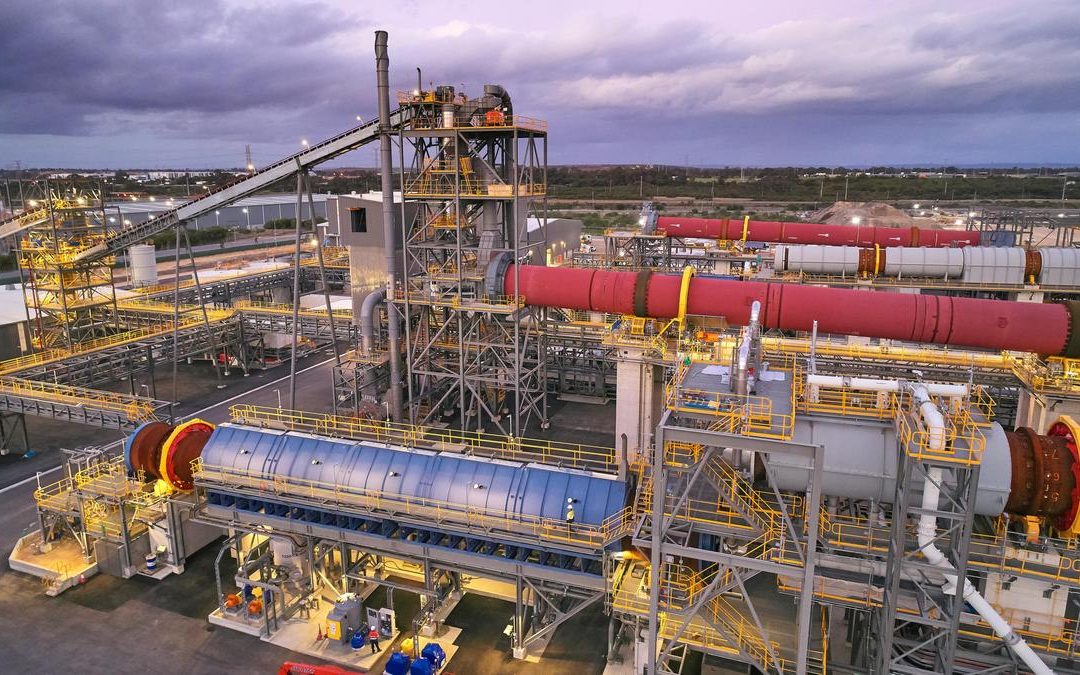
Zimbabwe’s lithium sector is transitioning from raw mineral exports to local manufacture and value-added processing, establishing the country as a new hub for battery-material production in Africa’s rapidly expanding clean energy supply chain.
At the heart of this transformation is a government regulation prohibiting the export of unprocessed lithium concentrates and other raw, unbeneficiated minerals.
While initially opposed by mining companies, the strategy has sparked a flood of downstream investment, estimated at $1 billion, in local processing and chemical conversion plants.
Rather than simply shipping spodumene and other lithium-bearing ores abroad, Zimbabwean mining companies are increasingly constructing plants that convert raw lithium into intermediate and refined products such as lithium sulphate, which is a key component in the production of lithium-ion batteries used in electric vehicles and energy storage systems.
From mining to manufacturing: policy-driven swing
The export ban has essentially forced a reorganization of Zimbabwe’s lithium supply chain. Instead of focusing exclusively on extractive exports, the government is increasingly incorporating industrial capabilities into its mining industry.
See here: First-ever lithium plant in Africa is already in the works
Chinese-backed mining companies have been among the most active actors in this change. Zhejiang Huayou Cobalt and Sinomine Resource Group have made significant investments in Zimbabwean processing plants.
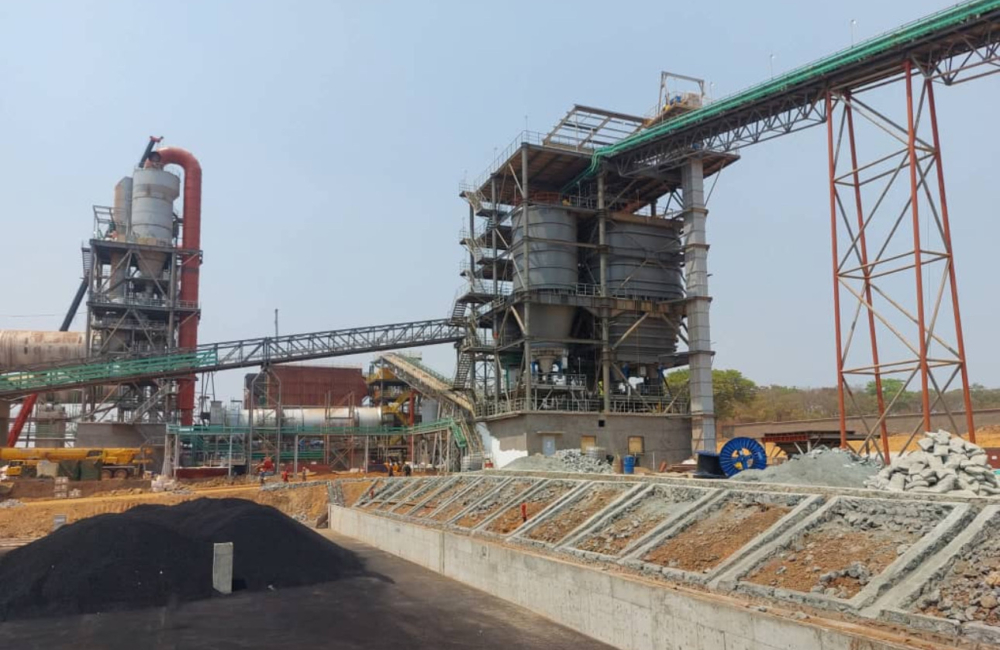
Prospect Lithium Zimbabwe, Huayou’s local subsidiary, has made significant investments in infrastructure related to the Arcadia lithium project, including concentrator facilities and lithium sulphate production capacity.
Sinomine’s activities at Bikita Minerals have extended into chemical processing, with additional investments focused on lithium sulphate production.
Collectively, these projects are redefining Zimbabwe’s role in the global lithium supply chain, from raw ore exporter to battery-ready material manufacturer.
Industrial capacity and first production milestones
The Arcadia project near Harare provided Zimbabwe’s first documented export of lithium sulphate, which was a significant milestone in this shift.
The shipment represented not only a national first but also a continental advance in lithium chemical processing, indicating that Africa’s lithium output is transitioning from extraction to industrial refining.
The Arcadia facility, which is supported by Huayou-linked investment, is part of a larger pipeline of processing plants now under development or being commissioned around the country.
At least six large lithium producers are actively implementing beneficiation facilities in accordance with government regulations aimed at eliminating concentrate exports in the next few years.
Investment commitments for lithium processing now total around $1 billion in declared or underway capital expenditure.
This comprises large-scale chemical conversion factories that create lithium sulphate and other chemicals required in downstream battery production.
