


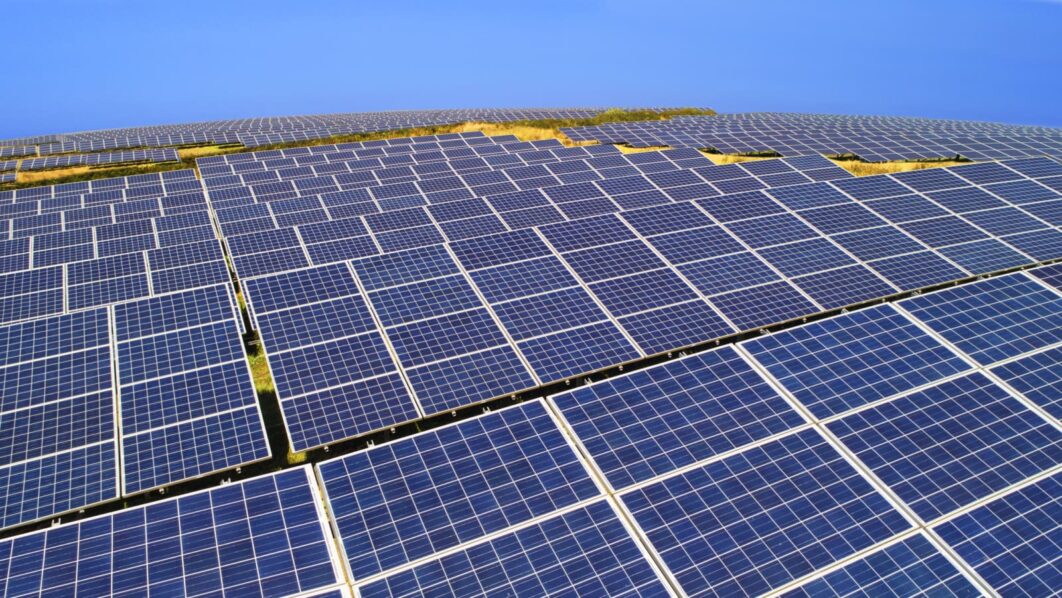
Nigeria has increased its solar production capacity, to about 300 megawatts (MW) in less than two years, which industry players term as a big stride in developing a domestic renewable energy production base.
Disclosed by the Managing Director of the Rural Electrification Agency (REA), Abba Aliyu, in the recent energy sector engagement, he pointed out the increasing aspirations of the country to become a renewable energy hub in West Africa.
Quick Capacity Expansion at the local level.
The solar panel manufacturing capacity of Nigeria as per the REA has grown to some 300MW today compared to approximately 120MW two years ago, which is more than a twofold growth in a surprisingly short time.
This expansion, according to the authorities, has been due to planned policy interventions to promote local manufacturing and minimize reliance on renewable energy elements imported.
The country has also laid down plans to increase its current capacity even more, with up to 3.7 gigawatts (GW) of solar manufacturing capacity still on the cards as reported by Peoples Gazette.
Investment Driving Expansion
The growth has been facilitated by the growing investor confidence in the renewable energy sector in Nigeria. The government-supported efforts contributed to the attraction of about $425 million of money in 2025 to implement at least eight renewable energy production facilities in the country.
According to industry analysts, these investments are an indication of a change in the perception of solar energy in Nigeria as a rural electrification solution to a strategic industrial sector.
The Dependence on Imports to Local Production.
One of the major advancements in the industry is the start of exports of solar panels in Nigeria to neighbouring countries like Ghana.
This is an important shift, as it will be an end to the practice of importing solar parts, and a move towards regional production and trade.
According to stakeholders, this change would help to alleviate the foreign exchange pressure, and build the local value chains within the renewable energy ecosystem.
Policy and Regulation as Enablers.
The regulatory reforms have also been playing a key role in promoting growth.
In 2026, the Nigerian Electricity Regulatory Commission (NERC) unveiled new mini-grid regulations, raising capacity limits and streamlining the licensing process of developers.
The updated framework permits:
- Standalone mini-grids up to 5MW.
- The interconnected systems have a maximum of 10MW.
These developments have cleared the way to bigger renewable energy projects and enhanced the bankability of the investments in the sector.
Regional Ambitions
The solar manufacturing industry in Nigeria is already making a global impact. The renewable energy model of Nigeria is being examined by several African countries such as Mozambique, Niger and Benin Republic, who are trying to emulate the decentralised power system model of Nigeria.
Officials think the country has the potential to be a first-mover in developing an integrated off-grid energy market within West Africa, complementing other regional efforts, like the West African Power Pool.
Energy Access and Industrial Strategy.
Nigeria is driving renewable energy through the Distributed Access through Renewable Energy Scale-Up (DARES) programme that has been designed to bring electricity to millions of Nigerians.
The programme targets:
- Over 17 million people
- Over 2.5 million households
- The installation of more than 1,300 mini-grids.
It is supported by a funding of $750 million and it is projected to open up more than 1 billion in investments in the private sector.
A Drift to Industrialisation.
In addition to access to energy, analysts indicate that the expansion is an indication of a more fundamental change in the Nigerian economic policy.
The country is positioning renewable energy as:
- A manufacturing opportunity
- One of the export earnings.
- An avenue to industrialization.
This would put Nigeria in a position of being one of the leading manufacturing centers of solar in Africa in case of sustained momentum.
The booming Solar energy production capacity in Nigeria is an indication of an increasing appreciation of the contribution that renewable energy holds towards the development of the economy and industrial revolution.
Although issues of infrastructure disparity and financial limitations still persist, the developments that have been achieved in the last two years indicate that the country is slowly shifting away from consumption towards local production and regional competitiveness.
The following steps will be crucial to both the policymakers and the stakeholders in the industry; expanding capacity, enhancing value chain, and maintaining investor confidence.
