
Close Menu
Makers

    Subscribe to Updates

    Get the latest creative news from FooBar about art, design and business.

    What's Hot

    Lucy Wills targets unified Infor M3 ERP platform for Finsbury Food Group

    June 13, 2026

    Senators Ted Budd and Michael Bennet introduce bill for space chip tax credits

    June 13, 2026

    Gagan Gupta announces $215 million funding for battery-swapping infrastructure

    June 12, 2026
    Facebook X (Twitter) Instagram
    Makers Saturday, June 13
    • Send us an email
    Facebook X (Twitter) Instagram LinkedIn
    • Homepage
    • About us
    • News

      Chinese investment signals growing confidence in Egypt’s manufacturing sector

      June 9, 2026

      The AI startup taking on jet engines, chips, and Jeff Bezos’ new industrial lab

      June 8, 2026

      Egypt inaugurates a production project to generate as much as $500 million yearly

      June 8, 2026

      Nigeria to build 70,000 electric vehicles annually under ambitious $95 million plan

      June 6, 2026

      Mercedes unveils what it calls an ‘armoured private jet on wheels’

      June 5, 2026
    • Features
    • Contact
    Makers
    Email us
    Home»Features»New South Korean solar panels make glass generate electricity
    Features

    New South Korean solar panels make glass generate electricity

    Adeyemi MuseBy Adeyemi MuseMarch 23, 2026Updated:March 25, 2026No Comments3 Mins Read9 Views
    Facebook Twitter Pinterest Telegram LinkedIn Tumblr Copy Link Email
    Follow Us
    Google News Flipboard
    Share
    Facebook Twitter LinkedIn Pinterest Email Copy Link

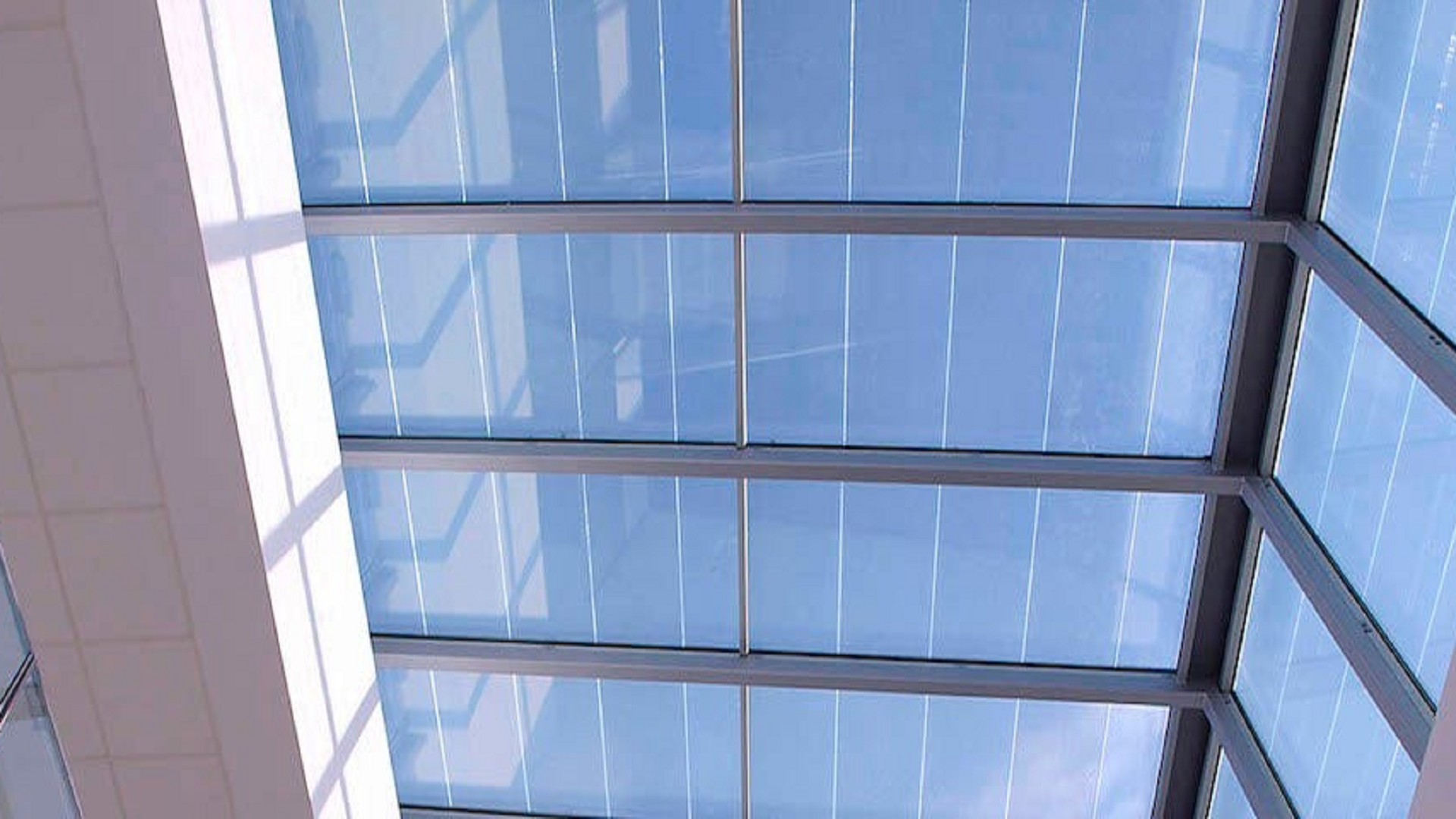
    South Korean researchers have created a new type of transparent solar panel that can be built directly into ordinary windows, allowing homes, offices, and skyscrapers to generate electricity while still looking completely normal and letting natural light pass through.

    The breakthrough, reported prominently in recent weeks, including March 15–20, 2026 coverage, comes from teams at institutions like the Ulsan National Institute of Science and Technology (UNIST), Korea University, and the Korea Institute of Science and Technology (KIST).

    How the transparent solar panel works
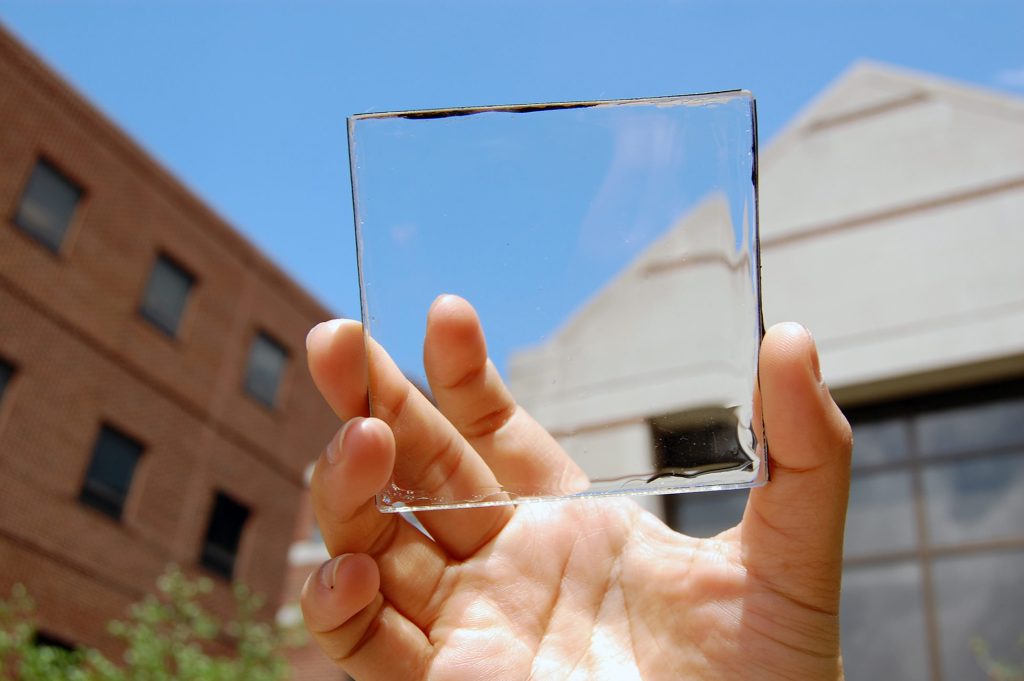
    These panels absorb invisible parts of sunlight (mainly ultraviolet and infrared rays) while allowing visible light to pass through with high transparency, often between 20% and 70% depending on the exact design.

    This means rooms stay bright, people can see outside clearly, and the windows keep their usual appearance without any noticeable tint, grid lines, or darkening.

    The technology uses advanced materials and all-back-contact (ABC) designs to place electrical connections on the back of the panel, eliminating visible wires or patterns on the front.

    See here: Nigeria’s $500 Million Solar Manufacturing Revolution

    Some versions are also bifacial, meaning they can collect energy from both sides, capturing sunlight from outside during the day and indoor artificial lighting at night.

    This enables buildings to harvest power around the clock in some cases.

    This matters in cities worldwide where roof space for traditional solar panels is limited or unavailable. Skyscrapers, apartment blocks, shopping malls, and office towers have huge amounts of glass surface area that currently do nothing for energy production.

    Turning those windows into power generators could make buildings partially self-sufficient, reduce electricity bills, lower carbon emissions, and decrease dependence on fossil fuels or strained power grids.

    The development is especially promising for emerging markets particualrly in Africa, and regions with rapid urbanization.

    In places where reliable electricity is not always available or where rooftop solar is hard to install due to building design or ownership issues, transparent solar windows could quietly produce clean energy without requiring major changes to existing structures.

    While the efficiency of these transparent panels is still lower than traditional opaque solar cells (typically 15–20% vs. 20–25% for rooftop panels), the researchers say performance is improving quickly.

    Several construction companies and building firms have already shown interest in pilot projects, with some net-zero building trials expected later in 2026 or 2027.

    South Korea’s transparent solar windows are a powerful example of how everyday materials like glass can be reimagined to help fight climate change.

    By making clean energy generation invisible and seamless, the technology could help turn buildings from energy consumers into active contributors to a greener future.

    Solar panel South Korea Transparent panel
    Follow on Google News Follow on Flipboard
    Share. Facebook Twitter Pinterest LinkedIn Telegram Email Copy Link
    Adeyemi Muse

    Related Posts

    Zimbabwe turns lithium export ban into a $1 billion manufacturing push

    May 31, 2026

    How Dakar’s advanced lab manufacturing systems helped decode a deadly virus in 24 hours

    May 23, 2026

    Africa in sight as Ukraine looks for new manufacturing partners to help with its weapons system

    May 16, 2026
    Leave A Reply Cancel Reply


    The reCAPTCHA verification period has expired. Please reload the page.

    Recent Posts

    • Lucy Wills targets unified Infor M3 ERP platform for Finsbury Food Group
    • Senators Ted Budd and Michael Bennet introduce bill for space chip tax credits
    • Gagan Gupta announces $215 million funding for battery-swapping infrastructure
    • Jeff Bezos and Vikram Bajaj raise $12 billion for Prometheus AI venture
    • Atlassian Williams F1 Team hosts 13,000 students at Grove headquarters
    Stay In Touch
    • Facebook
    • Twitter
    • Pinterest
    • Instagram
    • YouTube
    • Vimeo

    Subscribe to Updates

    Get the latest creative news from SmartMag about art & design.

    About Us
    About Us

    Makers is Nigeria’s premier digital platform dedicated to manufacturing related news and content across Africa.

    Facebook X (Twitter) Instagram LinkedIn
    News

    Chinese investment signals growing confidence in Egypt’s manufacturing sector

    June 9, 2026

    The AI startup taking on jet engines, chips, and Jeff Bezos’ new industrial lab

    June 8, 2026

    Egypt inaugurates a production project to generate as much as $500 million yearly

    June 8, 2026
    Features

    Zimbabwe turns lithium export ban into a $1 billion manufacturing push

    May 31, 20267 Views

    How Dakar’s advanced lab manufacturing systems helped decode a deadly virus in 24 hours

    May 23, 20264 Views

    Africa in sight as Ukraine looks for new manufacturing partners to help with its weapons system

    May 16, 20263 Views
    • Homepage
    • News
    • Features
    • Get In Touch
    • Privacy Policy
    • Cookie Policy
    Makers © 2026. All right reserved.

    Type above and press Enter to search. Press Esc to cancel.