


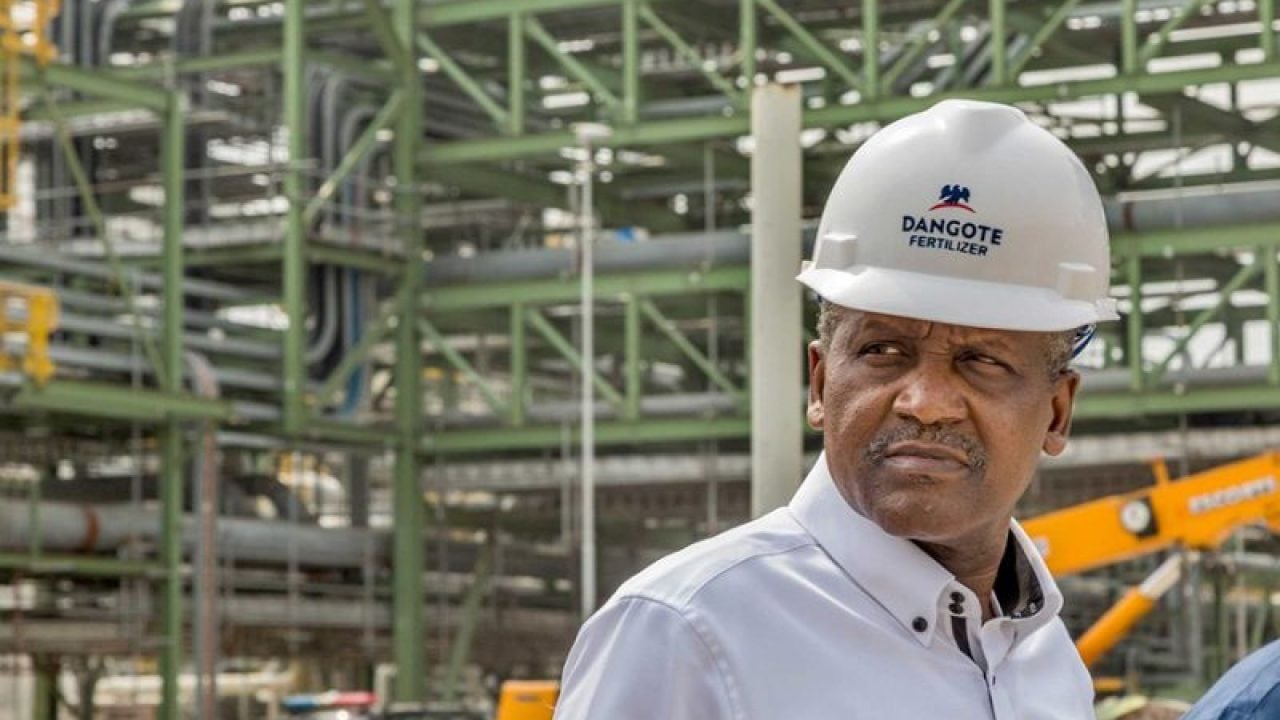
Dangote Industries Limited has signed a multibillion-dollar agreement with China’s GCL Group to secure natural gas supplies for a major fertilizer plant in Ethiopia, signifying a strengthening of African-Chinese industrial collaboration.
Aliko Dangote, the company’s president, signed the $4.2 billion transaction in Lagos.
It expands on Dangote Industries’ previous work with Ethiopian Investment Holdings to create a large-scale urea fertilizer complex in Gode, Ethiopia’s Somali Region.
The fertilizer facility is valued at $2.5 billion and is structured as a joint venture, with Dangote Industries owning 60% and Ethiopian Investment Holdings owning the remaining 40%.
The project is expected to be completed in 2029, Nairametrics reports.

A crucial component of the agreement is a 25-year natural gas supply agreement, which will provide the energy required to run the facility once it is operational.
According to Dangote, the effort fits within a larger strategy of increasing Africa’s industrial capability by lowering reliance on imported finished goods and increasing local manufacturing in critical industries.
GCL Group chairman Zhu Gongshan praised the alliance as a novel way to China-Africa cooperation, combining gas supply, pipeline building, and fertilizer production into a single integrated model.
The deal comes as global demand for fertilizers rises, fueled in part by supply chain interruptions caused by geopolitical conflicts, particularly in the Middle East.
These difficulties have prompted purchasers to seek alternate suppliers, favoring firms such as Dangote Fertilizer Limited.
According to company executives, variations in natural gas pricing and delays to major shipping routes have exacerbated supply constraints.
A substantial amount of the world’s fertilizer commerce usually goes via the Strait of Hormuz, which is currently plagued by geopolitical uncertainty.
Dangote’s fertilizer facility in Lagos already produces over 3 million tons per year, with a significant share shipped to international markets, including the United States.
The Gode project aims to become one of the world’s largest single-site urea fertilizer complexes, with an annual output capacity of 3 million metric tons.
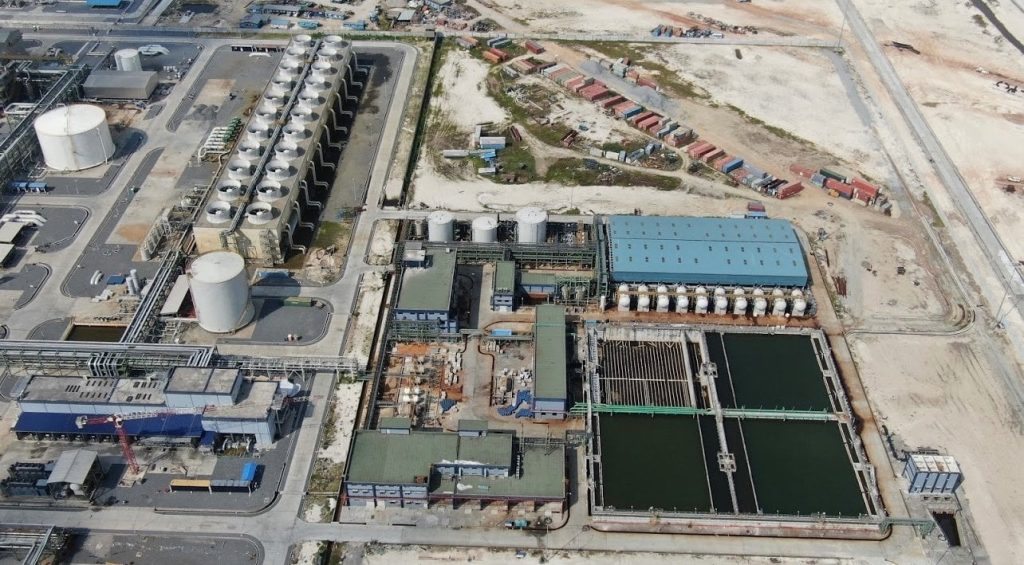
See here: Refinery versatility: How Dangote’s fuel plant also doubles as a chemical hub for cleaning
It will be fueled by natural gas extracted from Ethiopia’s Hilal and Calub deposits and transferred via specific pipes built as part of the project.
Beyond manufacturing, the development will include storage facilities, transport systems, and export infrastructure, with potential future expansion into ammonia-based fertilizers.
Construction is planned to take about 40 months, and the project is expected to generate thousands of direct and indirect jobs in the region.
Ethiopian Investment Holdings has emphasized its ability to boost food security, increase agricultural output, and promote Ethiopia as a major fertilizer hub in East Africa.
