


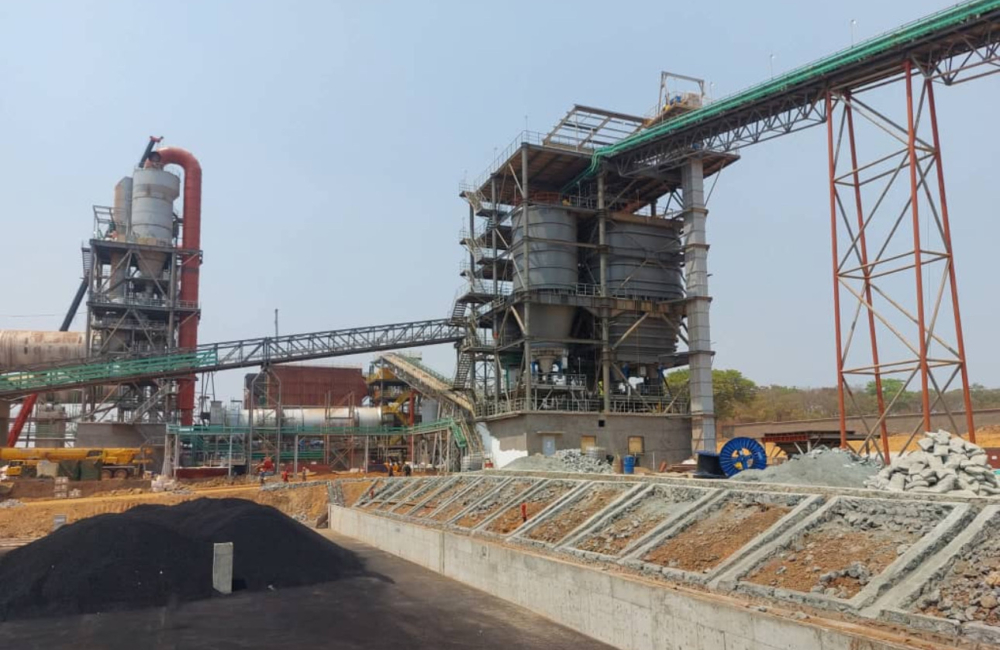
Zimbabwe is preparing to launch Africa’s first lithium sulphate factory, signaling a dramatic shift away from exporting raw lithium and toward making higher-value battery ingredients on the continent.
Prospect Lithium Zimbabwe is developing the plant at the Arcadia lithium mine in Goromonzi in collaboration with Zhejiang Huayou Cobalt Co., a Chinese battery materials giant.
The factory, which will be supported by an estimated $400 million investment, is scheduled to begin production in 2026.
For years, Zimbabwe, Africa’s top lithium producer, has exported lithium concentrates for processing elsewhere, where the majority of the value added occurs.
Lithium sulphate is an intermediary product that can be refined into battery-grade lithium hydroxide or lithium carbonate, which are essential components of electric vehicle (EV) batteries and energy storage systems.
Lithium sulphate plant
A lithium sulphate plant is a processing facility that converts raw lithium ore or lithium concentrate into lithium sulphate, an intermediate chemical used in the production of electric vehicle (EV) batteries and energy storage systems.
In hard-rock lithium-producing countries such as Zimbabwe, lithium is first mined and concentrated into a lithium-rich material, often from minerals like spodumene.
A lithium sulphate plant then subjects this concentrate to chemical processing, typically involving roasting, leaching, and purification.
Through this process, the lithium content is extracted and converted into lithium sulphate in solution or crystalline form.
From lithium sulphate, manufacturers can further refine the material into battery-grade lithium hydroxide or lithium carbonate, which are essential components in lithium-ion batteries used in electric vehicles, electronics, and large-scale energy storage systems.
How the Lithium plant works
A lithium sulphate plant operates by converting raw lithium ore, such as spodumene, into lithium sulphate, an intermediate chemical required in battery manufacture.
The ore is first crushed and concentrated to improve its lithium content. It is then roasted with chemicals, typically sulfuric acid, to convert lithium to a soluble form.
Next, the material is leached with water or chemicals to dissolve the lithium and separate impurities.
The lithium solution is cleaned to eliminate trace metals and impurities, then concentrated by evaporation to form lithium sulphate crystals. These crystals are collected, dried, and purified to battery-grade specifications.
Essentially, the plant combines crushing, chemical treatment, purification, and crystallization to produce high-purity lithium sulphate, which is then converted into lithium hydroxide or lithium carbonate for battery use.
