


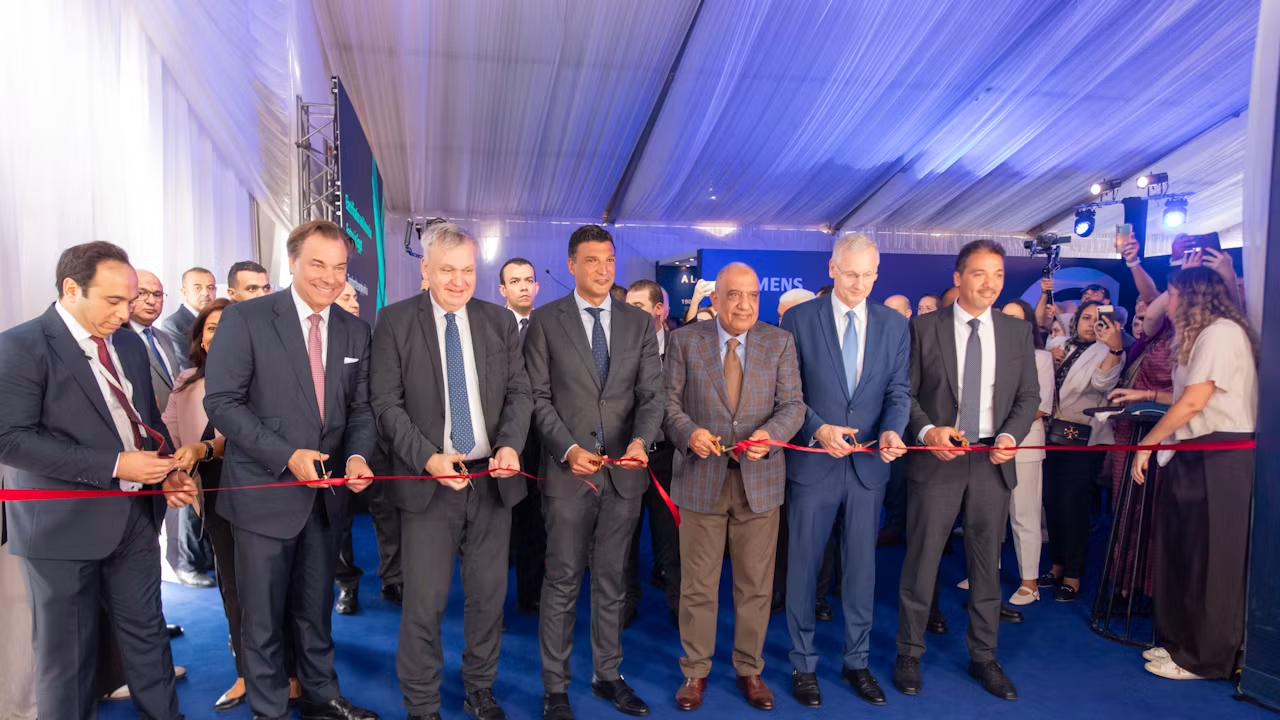
Siemens AG inaugurated its new Electrification and Automation factory in Ramadan City, Egypt, on 28 July 2026. This milestone marks marks Siemens’ first wholly owned manufacturing plant in the country, aiming to localise the production of critical energy technologies. The facility will churn out essential electrical components, protection panels, and automation solutions vital for Egypt’s accelerating energy transition and expanding infrastructure needs.
Mahmoud Esmat, Minister of Electricity and Renewable Energy, and Khaled Hashem, Minister of Industry, joined senior Siemens leadership, including Stephan May, CEO of Electrification and Automation, and Mostafa El-Bagoury, CEO of Siemens Egypt, at the opening ceremony. The initial EGP 350 million (US$6.9 million) investment underpins Egypt’s push to bolster its industrial base and position itself as a regional technology hub.
Localising Advanced Energy Technology in Egypt
This factory represents a critical pivot for Egypt, moving beyond technology adoption to actual in-country manufacturing. It directly aligns with Egypt’s National Industry Strategy (2024–2030), which identifies electrical and engineering industries as priority sectors. The goal is clear: increase the industrial sector’s contribution to GDP and foster greater self-reliance in key technologies.
The facility’s opening follows a Memorandum of Understanding signed in September 2024 between Siemens and the Industrial Development Authority. This agreement laid the groundwork for advancing local electrical product manufacturing. By establishing local production, Siemens is strengthening domestic supply chains and directly supporting Egyptian engineering, procurement, and construction firms.
This local manufacturing push is more than panels and components; it is also about strengthening industrial control and resilience. Stephan May, CEO of Electrification and Automation at Siemens, noted that localising production “strengthens supply chains, accelerating delivery, and supporting Egypt’s industrial growth and energy transition.”
It’s a move that brings production closer to the customer, allowing Egypt to adopt advanced technologies and maintain high cybersecurity standards for its power infrastructure more rapidly.
Powering Egypt’s Renewable Energy Push
Egypt has set an ambitious target to achieve 45% renewable energy in its electricity mix by 2028. The new factory’s product portfolio directly supports this objective, producing components essential for both Egypt’s transmission and distribution networks, as well as its rapidly expanding renewable energy sector. It’s a foundational move for a country determined to diversify its energy sources.
The electrical and engineering industries are central to this transformation. Minister Esmat highlighted that the facility supports Egypt’s strategy to localise industrial manufacturing and transfer advanced technologies. His ministry is actively working on regulations to boost local content in renewable energy projects, creating a supportive environment for operations like Siemens’.
Production Capacity and Technological Breadth
The Ramadan City facility begins operations with an initial production capacity of approximately 2,000 electrical panels. This capacity will underpin the manufacturing of a diverse range of advanced energy technologies. These include switchgear, sophisticated substation control and monitoring systems, protection systems, and critically, embedded cybersecurity solutions.
The technologies produced here meet stringent international standards, especially for the protection of critical energy infrastructure. This focus on security is paramount given the increasing digitisation of power grids. Other products include electrical distribution panels, medium- and low-voltage switchgear, substation automation equipment, and digital monitoring solutions for industrial facilities.
Integrating Digitalisation into Industrial Automation
Beyond physical components, the factory is a hub for industrial automation and digital solutions. It manufactures equipment that enables digital twin and Internet of Things (IoT)-based solutions for energy management and grid optimisation. These are precisely the kinds of technologies Egypt actively integrates across its energy and infrastructure sectors.
This isn’t merely about producing hardware; it’s about enabling a digitally-driven industrial future, reflecting Siemens’ broader strategy of integrating digital technologies into industrial manufacturing worldwide. This specific focus on advanced digital applications within a manufacturing context showcases a forward-thinking approach to industrial development.
Cultivating Local Expertise: The Siemens Power Academy
The new factory isn’t just about manufacturing; it’s also a centre for developing human capital. It houses the Siemens Power Academy, a structured initiative designed for customer and workforce development. This Academy provides purpose-built training rooms and educational facilities, strategically located adjacent to the factory floor.
This proximity allows participants to observe live production while receiving practical instruction and technology demonstrations. The Academy aims to train professionals in the complex skills needed to design, operate, and maintain advanced energy infrastructure. In its first year, it plans to equip a new generation of engineers and technicians with these critical competencies.
It builds on Siemens’ long-standing commitment to vocational training programmes in Egypt, ensuring a pipeline of skilled labour for the nation’s industrial future. Further enhancing this learning ecosystem, a dedicated Customer Experience Center operates within the facility. Here, customers, partners, and other stakeholders can interact directly with Siemens’ latest digital twin and IoT-based solutions.
This hands-on experience demystifies complex technologies, demonstrating their practical application in energy management and grid optimisation.
A Partnership Forged Over a Century
Siemens’ presence in Egypt spans more than 125 years, predating modern Egypt in many respects. Its relationship with Egypt began in 1859 when Werner von Siemens himself oversaw the installation of the nation’s first telegraph line. This enduring relationship has seen Siemens deliver critical technology across Egypt’s infrastructure, industrial, and energy sectors for generations.
Notable past contributions include the monumental Mega Power Plants project, which saw the delivery of three combined-cycle power plants – Beni Suef, New Capital, and Burullus. These plants collectively increased Egypt’s power generation capacity by 14.4 GW—an expansion of approximately 45%.
Other projects include the country’s high-speed rail network, critical grid modernisation programmes, and the establishment of the Middle East’s first Industry 4.0 Innovation Center in Egypt’s New Administrative Capital.
The Ramadan City factory therefore represents a significant evolution in this long-standing partnership. It signals a shift from primarily delivering technology to Egypt to actively manufacturing it within the country. This transition creates local value, builds expertise domestically, and directly supports Egypt’s strategic aim to become a regional hub for advanced industry.
Mostafa El-Bagoury, CEO of Siemens Egypt, underscored this shift, stating, “The new facility represents Siemens’ latest step in a journey that combines global expertise with local empowerment, delivering cutting-edge technologies made in Egypt, for Egypt, and beyond.”
This localisation effort also reinforces the strategic implications for the broader African continent. By manufacturing in Egypt, Siemens supports not only local firms but also facilitates energy and infrastructure projects across North Africa and other parts of the continent. This approach streamlines regional supply chains while providing a more responsive source of critical components.
Egypt’s Growing Role in Industrial Exports
The factory’s initial focus on the domestic Egyptian market is a deliberate strategy to meet urgent national infrastructure demands. However, the long-term vision extends far beyond local consumption. Siemens Egypt plans to expand production into export markets across the Middle East and Africa, leveraging Egypt’s strategic geographic position.
This move aligns with Egypt’s broader ambition to transition from an importer of advanced industrial goods to a significant regional exporter. The ability to produce high-tech components like switchgear and cybersecurity-embedded systems locally positions Egypt as a more attractive partner for industrial development across the continent. Facilities such as this underpin the transition toward a more diversified, knowledge-based economy.
Jürgen Schulz, German Ambassador to Egypt, highlighted the importance of such investments in fostering economic ties and facilitating technology transfer. The presence of international manufacturing giants like Siemens in Egypt creates a virtuous cycle, attracting further foreign direct investment and encouraging local enterprises to upgrade their own manufacturing capabilities to meet global standards.
This is more than a Siemens manufacturing facility; it is a strategic investment in Egypt’s industrial future.
