


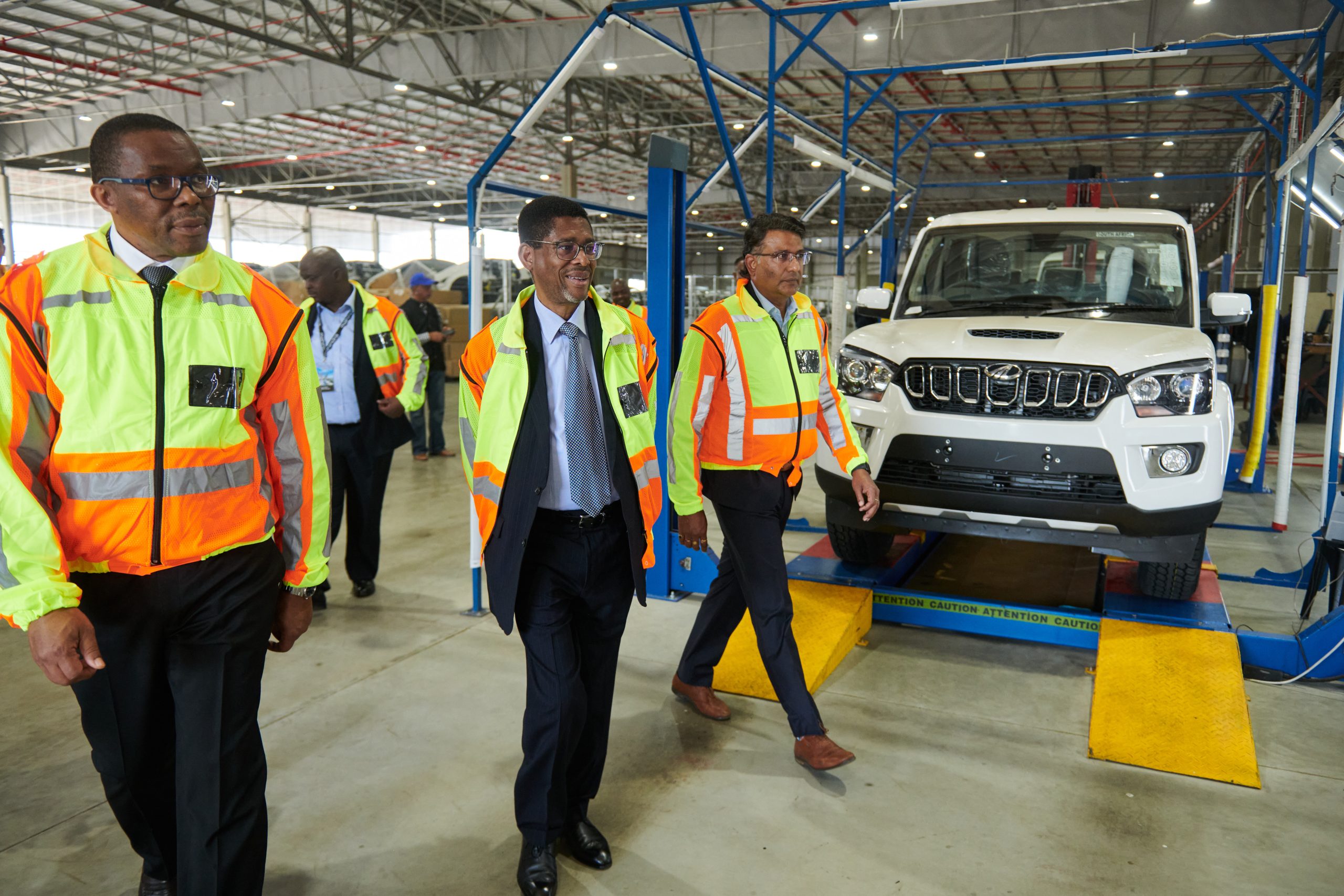
In response to growing demand for reasonably priced cars and mounting pressure from international rivals in the mid-market sector, Mahindra & Mahindra, the second-largest vehicle manufacturer in India, is considering a major overhaul to its South African subsidiary.
Currently operating a semi-knocked-down assembly model at its facility near Durban, the company, worth 3.8 trillion Rupees, as seen on Business Tech, has established a consistent presence in the region over a number of years.
This strategy allows for limited manufacturing depth while keeping lower operational complexity because pre-assembled car kits are transported into the nation and assembled locally.
However, conversations currently underway indicate a probable transition toward entirely knocked down production, a more advanced manufacturing strategy in which cars are produced from more fundamental components rather than partially formed units.
The relocation would provide a big boost to local economic activity and potentially greatly increase South Africa’s car production capability.
According to industry sources, the proposed update is being discussed in partnership with the Industrial Development Corporation; neither party has publicly verified the specifics.
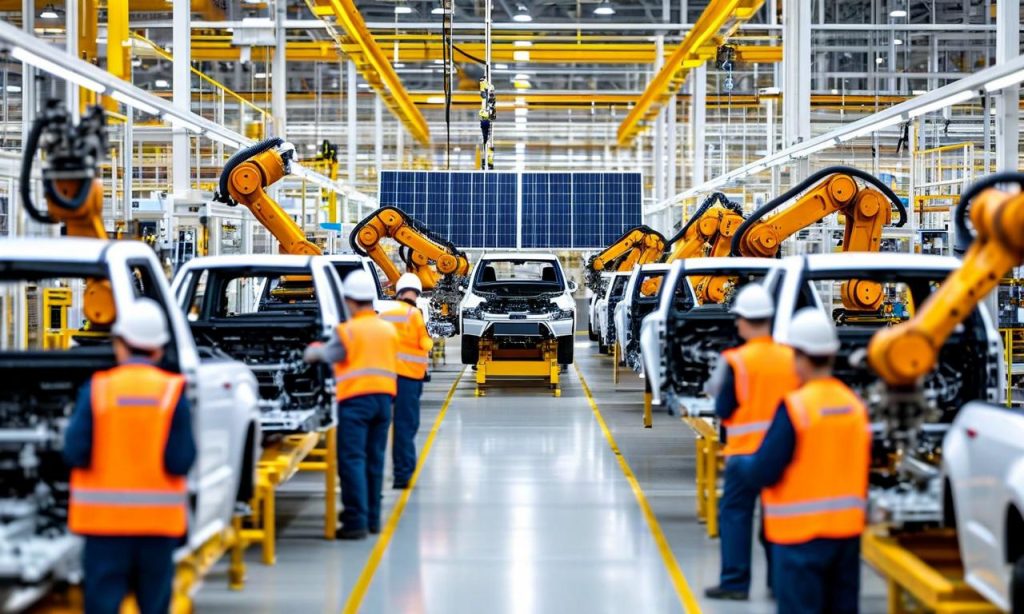
A shift to full-scale production would strengthen local supply chains, enhance domestic component sourcing, and possibly lessen dependency on imported final units.
South Africa’s automotive business is currently experiencing increased competition, notably in the affordable and mid-range vehicle markets.
With renowned global competitors such as Ford and Mercedes-Benz, Asian manufacturers like Chery and Suzuki have increased their market share.
Despite this, Toyota remains the market leader in overall sales.
According to analysts, Mahindra’s possible investment underscores the company’s rising traction with local consumers as well as its aim of consolidating market position in emerging markets where demand for cost-effective mobility is increasing.
Beyond market positioning, the transition to deeper manufacturing is projected to have far-reaching industrial repercussions.
A shift to full assembly processes often increases labor intensity, resulting in more jobs in manufacturing, logistics, and supply networks.
It also tends to boost local component manufacture, which helps small and medium-sized industrial enterprises along the value chain.
