


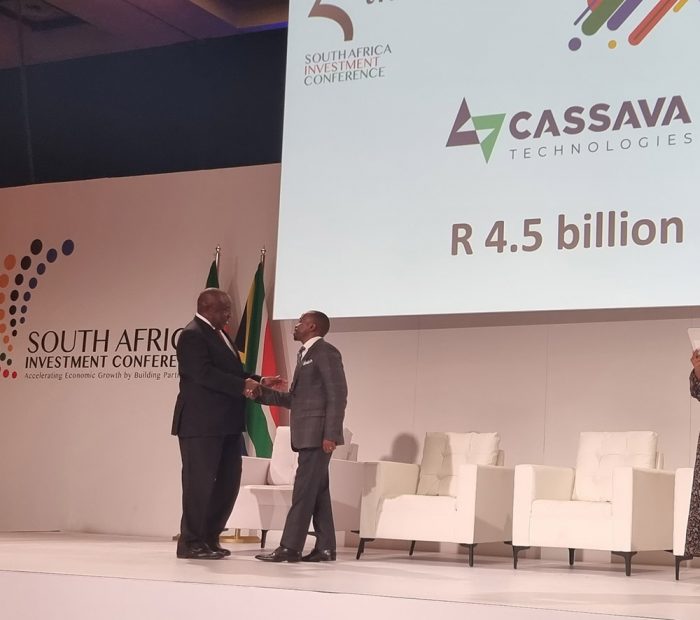
Africa is about to see a technology revolution that might completely change the continent’s position on the global artificial intelligence (AI) stage.
The creation of Africa’s first artificial intelligence (AI) factory is being spearheaded by Zimbabwean billionaire Strive Masiyiwa.
This ambitious initiative promises to provide state-of-the-art computer power and AI infrastructure straight to the continent.
This project, which is supported by Masiyiwa’s Cassava Technologies and Nvidia, the global leader in graphics processing technology, is expected to transform how digital innovation is produced, processed, and utilized in Africa.
New AI mega plan
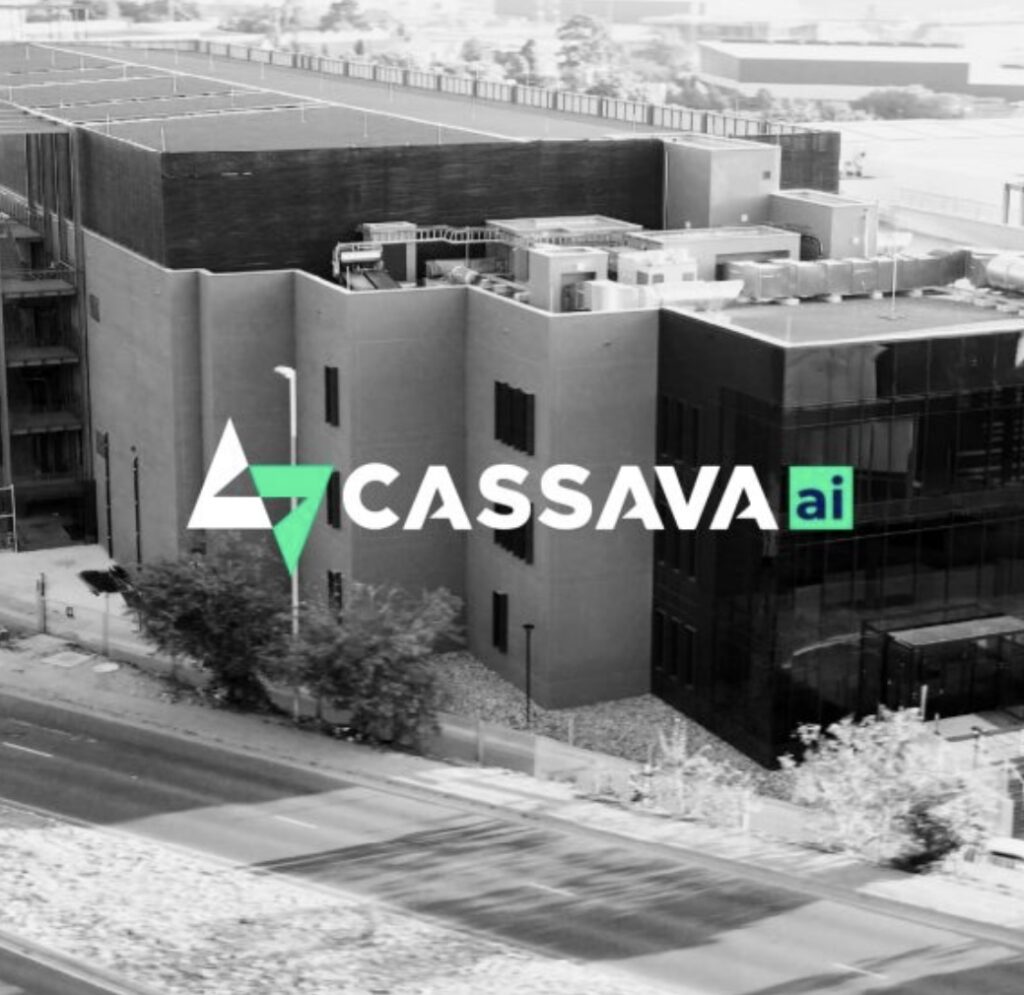
Cassava Technologies intends to invest up to $720 million in the project, making it one of the biggest private investments in Africa’s digital economy.
The facility is the first of five planned facilities on the continent, with others in South Africa, Nigeria, Kenya, Egypt, and Morocco.
Its initial rollout will take place in South Africa, with 3,000 Nvidia graphics processing units (GPUs) arriving by mid-year.
Over the next three to four years, an additional 9,000 GPUs are planned to power the remaining factories, forming an extraordinary network of AI capabilities across the continent.
These GPUs are the beating heart of the AI factory.
See here: One of Africa’s largest car manufacturers, Al-Mansour, introduces 2 new Electric Vehicles
Each unit, costing between $45,000 and $60,000, can process vast amounts of data at incredible speed, powering applications that were once the exclusive domain of Silicon Valley and other global tech hubs.
NVIDIA, which controls 93% of the global GPU market, is the ideal partner to supply this cutting-edge technology, ensuring Africa has access to the tools needed to compete in the global AI arena.
But the AI factory is more than just a collection of cutting-edge chips; it is a continent-wide ecosystem designed to foster innovation, research, and entrepreneurship.
Cassava Technologies provides local AI infrastructure, allowing African startups, universities, developers, and governments to explore and deploy AI solutions without relying on outside vendors.
Until today, only a small percentage of African AI talent had access to such powerful computational resources. With the factory, that constraint is removed.
How the AI would help
The impact will be seen throughout all aspects of African life. AI in healthcare has the potential to speed up and improve disease diagnosis.
In agriculture, it has the potential to increase agricultural yields while decreasing waste. AI-powered financial technology solutions have the potential to improve access to banking and investing tools.
Researchers and students will have unparalleled access to resources, enabling them to develop solutions that are suited to Africa’s specific concerns.
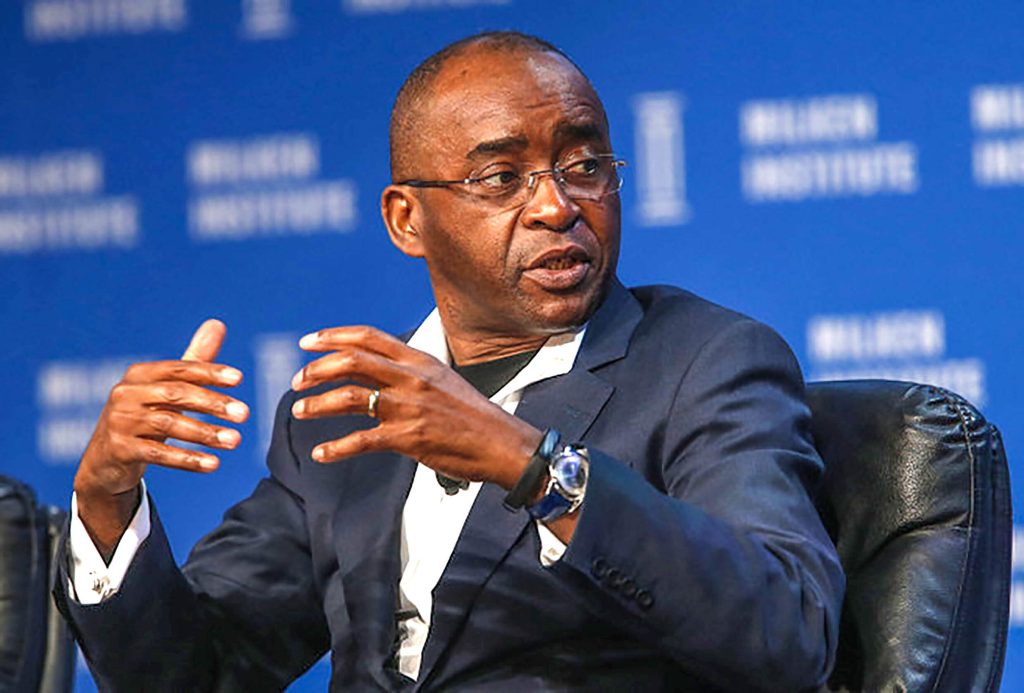
Masiyiwa’s vision is strongly linked to Cassava Technologies’ current digital network, which comprises Africa Data Centres, Liquid Intelligent Technologies, and Liquid C2.
These organizations currently offer data storage, internet access, and cybersecurity throughout the continent, laying the groundwork for a fully integrated AI ecosystem.
Partnerships with global IT businesses such as Microsoft, AWS, Google, and Anthropic help to expand the network and ensure that Africa’s AI infrastructure matches the highest international standards.
Financially, the AI factory is also a strategic decision.
Cassava Technologies intends to sell any spare computer capacity to Nvidia cloud customers worldwide, generating revenue while encouraging local innovation
Africa’s first AI factory represents a declaration of intent. Masiyiwa is establishing the continent as a leader in the digital economy, eliminating reliance on foreign providers and unleashing local talent.
The first facility in South Africa is already under construction, and all five are scheduled to be operational by late 2026.
By then, Africa will have one of the world’s largest and most sophisticated AI ecosystems, rewriting the narrative about the continent’s technological capabilities.
The project’s excitement stems not only from its technology but also from its ability to revolutionize ordinary life.
A student in Nairobi may create an AI-powered health app using resources that were previously unavailable.
A fintech business in Lagos could use advanced analytics to increase financial inclusion. An agricultural firm in Morocco could utilize artificial intelligence to optimize production in previously unimaginable ways.
These are real-world applications that the AI factory will make available, providing Africa with the tools it needs to address its own difficulties.
Cassava Technologies is providing opportunities for the continent by developing AI infrastructure locally. African inventors can no longer rely on foreign providers to develop solutions.
