


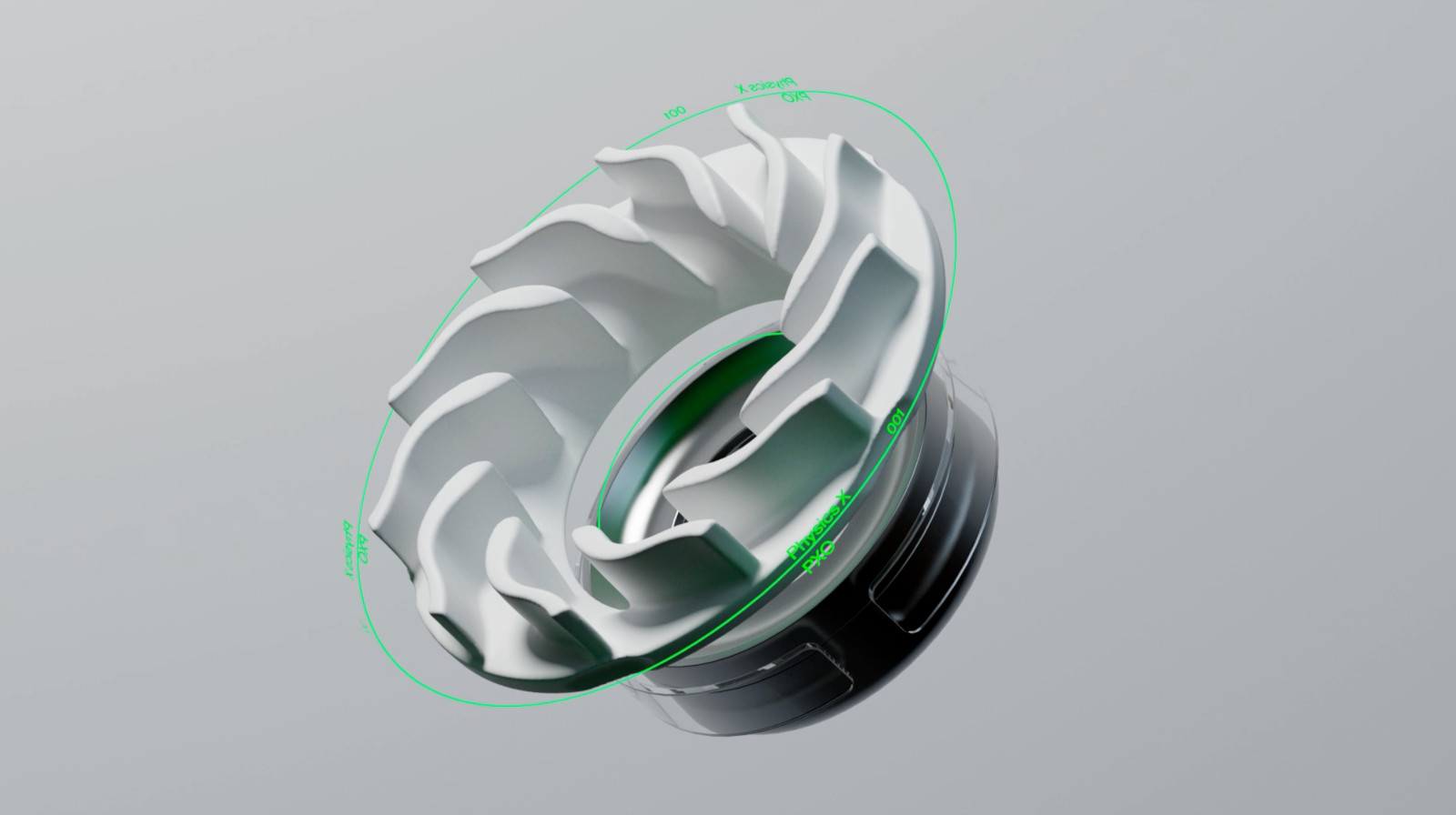
PhysicsX, a UK-based firm that develops artificial intelligence systems for advanced engineering and manufacturing, has raised $300 million in additional investment, bringing its worth to over $2.4 billion.
Singapore’s national wealth fund Temasek, led the current Series C investment, which also included new investors Intrepid Growth Partners and M&G Catalyst.
Existing supporters also participated in the round, including big technological and industrial organizations such as Nvidia and Applied Materials.
The financing represents a huge increase from the company’s previous valuation of about $1 billion.
PhysicsX, headquartered in London, creates AI-driven simulation software to assist engineers in designing and testing complex components used in sectors such as aerospace, automotive, and semiconductors.
Its technology predicts how physical materials and systems will react, eliminating the need for time-consuming engineering simulations.
The startup is part of a growing worldwide effort to use artificial intelligence to the heavy industry, where companies are seeking methods to cut manufacturing costs and accelerate development cycles.
This trend has sparked fierce rivalry, including new efforts such as Project Prometheus, an AI-focused industrial lab financed by Amazon founder Jeff Bezos that garnered an estimated $10 billion earlier this year.
PhysicsX is also shifting its attention to semiconductor fabrication, which company executives hope will become its major income stream in the near future, Bloomberg reported.
According to the firm, corporations including Siemens, Stellantis, and Applied Materials are already using its AI technologies.
Chief Executive Officer Jacomo Corbo stated that strong client demand has resulted in a large backlog, extending delivery timetables by several months.
He went on to say that the company’s quick expansion was one of the primary reasons it needed extra cash to expand its team and operations.
The business aims to produce up to $50 million in sales this year, and it hopes to more than double that amount by 2027 as AI-driven engineering tools become more widely adopted throughout global industrial industries.
