
Close Menu
Makers

    Subscribe to Updates

    Get the latest creative news from FooBar about art, design and business.

    What's Hot

    From byproduct to benchmark: The policy shift redefining African cashew production

    April 15, 2026

    Zimbabwe’s richest man unveils a tech city he is building, designed for industrialists and experts

    April 15, 2026

    Refiant AI: The South African startup that is making powerful AI run without data centres

    April 14, 2026
    Facebook X (Twitter) Instagram
    Makers Thursday, April 16
    • Send us an email
    Facebook X (Twitter) Instagram LinkedIn
    • Homepage
    • About us
    • News

      Zimbabwe’s richest man unveils a tech city he is building, designed for industrialists and experts

      April 15, 2026

      Scientists use AI and fossilized dinosaur collagen to create Lab-Grown “T-Rex leather” for luxury handbag

      April 9, 2026

      Another African country has joined the ranks of gold manufacturers by inaugurating its first gold refinery

      April 8, 2026

      South Africa to host a Chinese automobile company’s EV production for Africa

      April 4, 2026

      Nigerian manufacturers reveal one of its biggest problems, and how some banks add to it

      April 2, 2026
    • Features
    • Contact
    Makers
    Email us
    Home » Two Nigerian brothers are building lost limbs specifically for the disabled in Africa
    Features

    Two Nigerian brothers are building lost limbs specifically for the disabled in Africa

    Ned NwosuBy Ned NwosuApril 3, 2026No Comments4 Mins Read4 Views
    Facebook Twitter Pinterest Telegram LinkedIn Tumblr Copy Link Email
    Follow Us
    Google News Flipboard
    Share
    Facebook Twitter LinkedIn Pinterest Email Copy Link

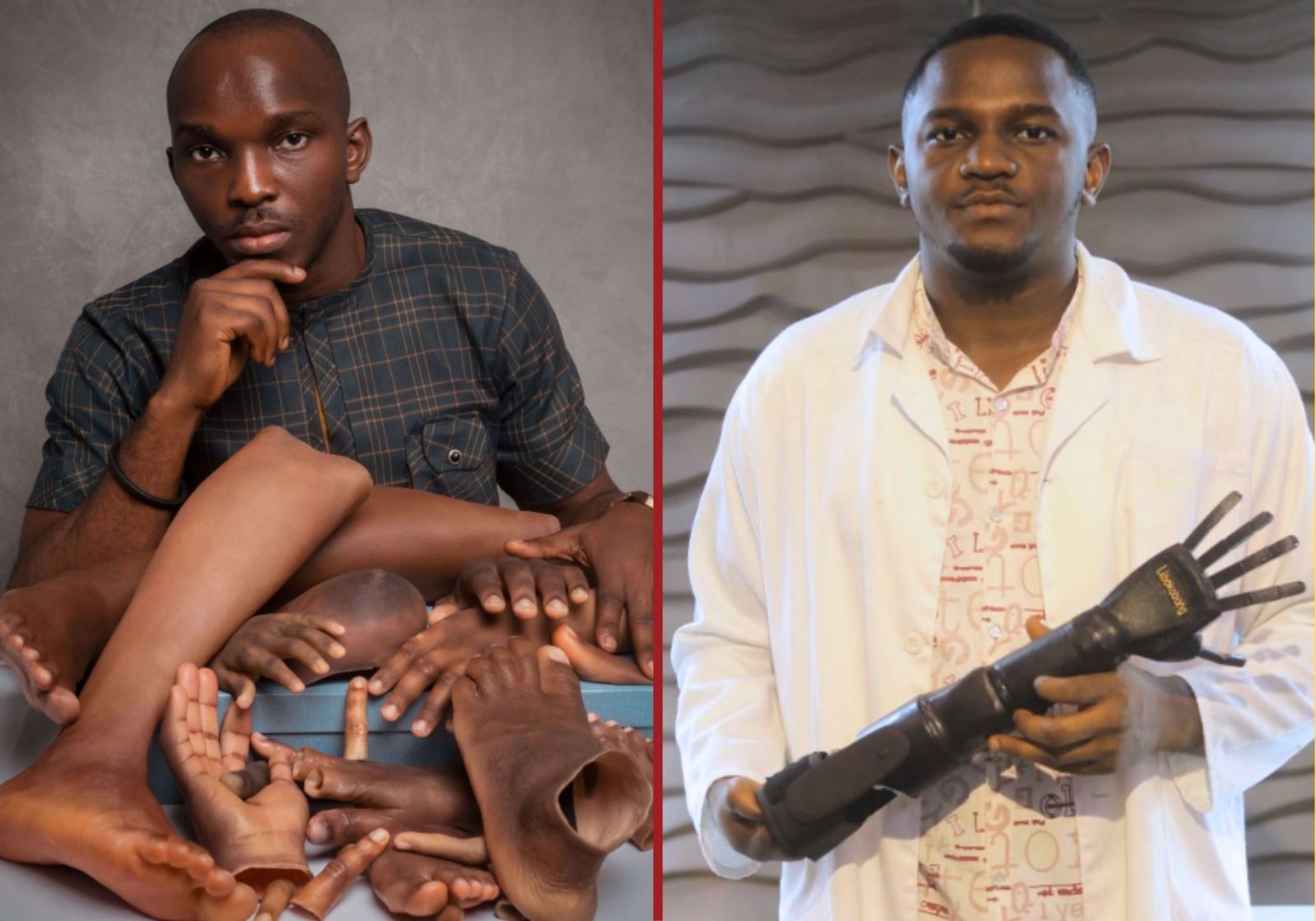
    Ubokobong Amanam and John Amanam, two brothers from southern Nigeria, are leveraging their expertise in special effects artistry, formerly applied to creating human replicas for cinema and theater, to spearhead a pioneering initiative: the development of prosthetic limbs specifically designed for the African population. 

    Their venture began with Ubokobong’s own need for a prosthetic hand, which inspired them to invent a device that did not previously exist, one built by Africans, for Africans.

    Although there is scant data, unofficial estimates suggest that up to 2 million Nigerians require prosthetic limbs. 

    Imported equipment can cost between $2,000 and $3,000, which is much above most people’s budgets. 

    This shortage reflects a global trend: according to the World Health Organization’s Global Health Observatory 2022 report, nearly nine out of ten people worldwide who require assistive devices such as prosthetics, wheelchairs, or hearing aids do not have access, with the gap being most severe in low- and middle-income countries.

    Ubokobong Amanam and John Amanam foray into buidling prosthetics

    After three years of research and development, the brothers’ company, Immortal Cosmetic Art, introduced the Ubokobong Bionic Arm, a lifelike prosthetic that has propelled the brand to the forefront of African prosthetics. 
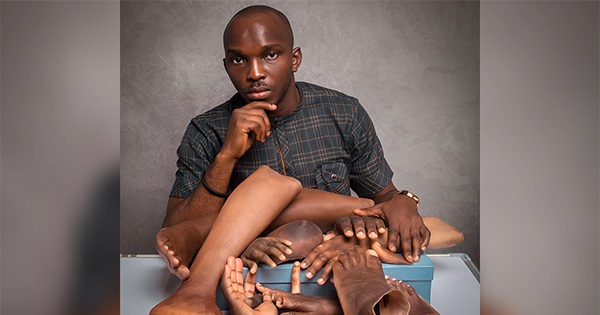
    Their objective is to make realistic, functioning prosthetics widely available in Nigeria and beyond.

    Among their clients is Emediong Bassey, a 30-year-old amputee who lost her lower right leg in a car accident in 2010. 

    Bassey went for a consultation and measurements after discovering the Amanams on social media, and she received her personalized prosthetic within weeks, the Guardian reports. 

    “It feels like my real leg,” Bassey says. “It’s comfortable and matches my skin tone. Most people don’t even realise it’s not my real leg because it so closely resembles my other leg in colour and shape.”

    John Amanam’s craftsmanship is evident in every detail, including veins, wrinkles, fingernails, and fingerprints created from silicone molds of each user. 

    Aside from aesthetics, the company is working on bionic prosthetics that use electromyography to allow users to control movement via muscle impulses, a significant breakthrough in an area formerly dominated by pricey foreign technologies.

    Each bionic limb costs around $7,000, making it more affordable than many Western alternatives, but still out of reach for the majority of Africans. 

    To remedy this, the brothers have sought government and non-governmental organization (NGO) help and have already delivered free prostheses to over 10 clients, including Bassey.

    Challenges of creating prosthetics in Nigeria

    Despite these advances, global gaps in prosthesis access remain significant. In the United States, bionic limbs can cost tens of thousands of dollars without comprehensive insurance coverage, leading many patients to crowdsource. 
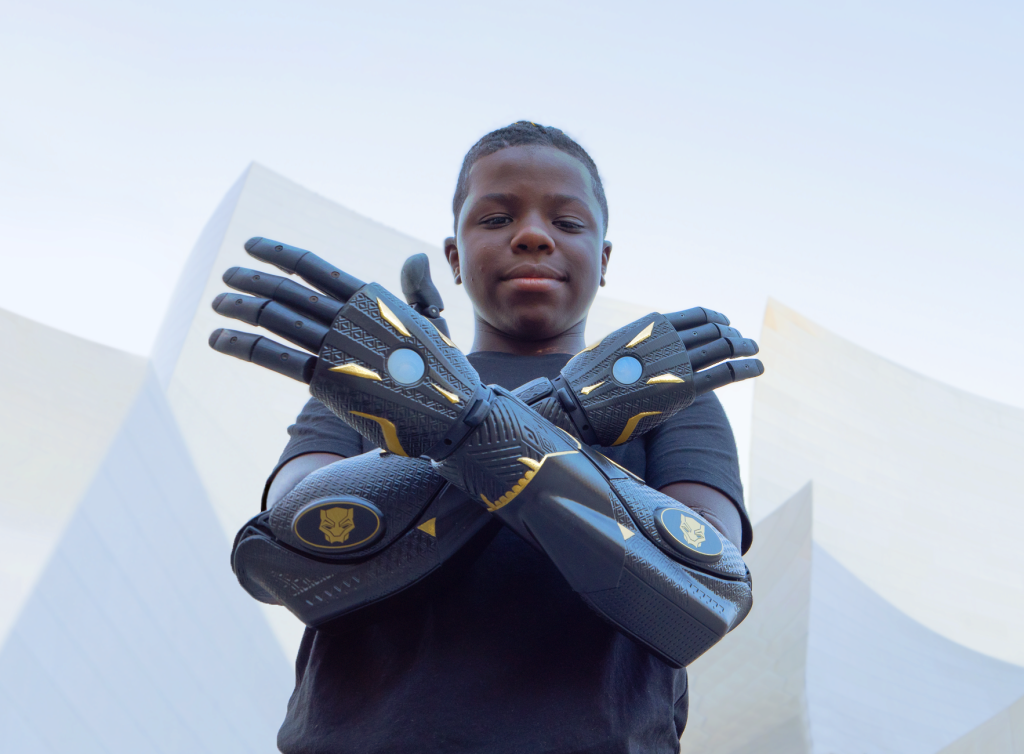
    In India, low-cost versions such as the $45 Jaipur Foot exist, but they sacrifice realism and usefulness.

    Experts believe the Amanam brothers’ community-driven, locally produced method might significantly enhance accessibility. 


    See here: Talksign-1: A look at the tool designed by a Nigerian AI company that lets you hear deaf people

    Locally created prosthetics can be tailored to African climates, terrains, and working circumstances, which European-made devices frequently fail to withstand, while repair and upkeep remain expensive.

    Opeoluwa Akinola, co-founder of the AccessTech Innovation and Research Centre, believes that assistive technologies must represent the lived experiences of individuals with disabilities.

    “Assistive technology is often designed far from the people who will use it, leading to solutions that are costly, culturally mismatched, and hard to maintain,” he says.

    Locally driven design can change this, he says. “When technology is developed within communities, it reflects real needs. It becomes more accessible and sustainable.

    The Amanam brothers’ work has received international notice, with orders coming in from Ghana, Côte d’Ivoire, and the African diaspora in the United States, totaling over 5,000 prosthetic limbs created to date.

    John Akanam Nigeria prosthetics Ubokobong Amanam
    Follow on Google News Follow on Flipboard
    Share. Facebook Twitter Pinterest LinkedIn Telegram Email Copy Link
    Ned Nwosu

    Related Posts

    From byproduct to benchmark: The policy shift redefining African cashew production

    April 15, 2026

    Refiant AI: The South African startup that is making powerful AI run without data centres

    April 14, 2026

    Nigeria’s ₦1.11 trillion energy problem meets PowerLabs, the startup optimising power for manufacturing

    April 10, 2026
    Leave A Reply Cancel Reply


    The reCAPTCHA verification period has expired. Please reload the page.

    Recent Posts

    • From byproduct to benchmark: The policy shift redefining African cashew production
    • Zimbabwe’s richest man unveils a tech city he is building, designed for industrialists and experts
    • Refiant AI: The South African startup that is making powerful AI run without data centres
    • Nigeria’s ₦1.11 trillion energy problem meets PowerLabs, the startup optimising power for manufacturing
    • Ducati unveils extreme street-legal superbike: ultra-light carbon fiber machine weighs just 368lb
    Stay In Touch
    • Facebook
    • Twitter
    • Pinterest
    • Instagram
    • YouTube
    • Vimeo

    Subscribe to Updates

    Get the latest creative news from SmartMag about art & design.

    About Us
    About Us

    Makers is Nigeria’s premier digital platform dedicated to manufacturing related news and content across Africa.

    Facebook X (Twitter) Instagram LinkedIn
    News

    Zimbabwe’s richest man unveils a tech city he is building, designed for industrialists and experts

    April 15, 2026

    Scientists use AI and fossilized dinosaur collagen to create Lab-Grown “T-Rex leather” for luxury handbag

    April 9, 2026

    Another African country has joined the ranks of gold manufacturers by inaugurating its first gold refinery

    April 8, 2026
    Features

    From byproduct to benchmark: The policy shift redefining African cashew production

    April 15, 20263 Views

    Refiant AI: The South African startup that is making powerful AI run without data centres

    April 14, 20267 Views

    Nigeria’s ₦1.11 trillion energy problem meets PowerLabs, the startup optimising power for manufacturing

    April 10, 202614 Views
    • Homepage
    • News
    • Features
    • Get In Touch
    • Privacy Policy
    • Cookie Policy
    Makers © 2026. All right reserved.

    Type above and press Enter to search. Press Esc to cancel.