


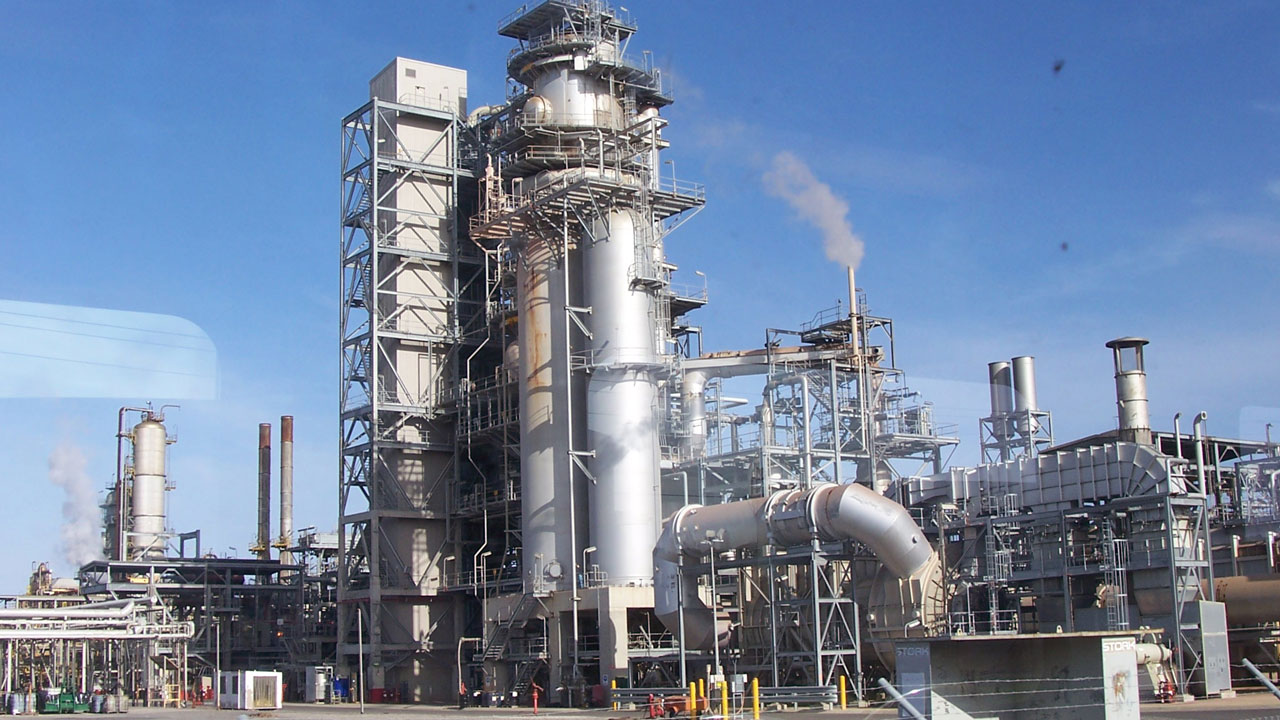
Nigeria’s Dangote Refinery has taken a major step toward becoming the world’s largest petroleum refinery by partnering with U.S. industrial technology giant Honeywell International, an American multinational conglomerate corporation headquartered in Charlotte, North Carolina.
The company primarily operates in four areas of business: aerospace, building automation, industrial automation, and energy and sustainability solutions.
The agreement, announced this week, will enable the refinery to increase its capacity from 650,000 barrels per day (bpd) to 1.4 million bpd by 2028.
Under the agreement, Honeywell will supply advanced catalysts, equipment, and process technologies that will enable the refinery to efficiently process a wider range of crude grades, improve product quality, and enhance operational reliability.
Beyond refining capacity, the partnership extends to petrochemicals too, with plans to scale polypropylene production to 2.4 million metric tons annually using Honeywell’s Oleflex technology.
Polypropylene, which is critical to Nigeria’s industrial sector, is essential for manufacturing plastic containers, packaging materials, and automotive components.
Impact on Nigeria’s Manufacturing Sector
For decades, Nigeria’s manufacturing sector has struggled under the weight of high production costs, unreliable energy supply, and expensive imported inputs.
When the expansion is completed, the expanded capacity would allow the refinery to process crude oil production of around 1.5 million bpd, which could transform the availability and cost of petroleum products.
The petrochemical aspect of the expansion is noteworthy too, as Nigerian manufacturers depend heavily on imported petrochemical products, which drain foreign exchange and increase production costs.
Local production of Polypropylene at scale could reduce costs for packaging, plastics, and automotive industries, making Nigerian manufacturers more competitive both domestically and regionally.
Furthermore, increased refining capacity will benefit the petrochemical industry, as by-products will become cheaper and more readily available, leading to economic diversification and increased competitiveness in other sectors.
Economic Benefits and Foreign Exchange Relief
Nigeria being one of the world’s largest crude oil producers paradoxically is also the largest importer of refined petroleum products, an anomaly which has cost the country billions annually.
Due to limited refining capacity, Nigeria relies heavily on imported petroleum products, which puts pressure on the naira and contributes to inflation.
The Dangote expansion promises substantial economic relief. With reduced imports and the potential for export of surplus refined products, Nigeria’s trade balance is expected to improve, contributing positively to GDP growth and economic stability.
Estimates suggest the refinery could save Nigeria up to $12 billion annually in foreign exchange by drastically reducing import dependency.
Additionally, increased production and export of refined petroleum products can generate foreign exchange earnings for the country, thereby increasing the supply of dollars in the foreign exchange market. This could help stabilize the naira, which has faced persistent pressure due to high demand for dollars to pay for fuel imports.
The Dangote refinery expansion is also expected to absorb at least 100,000 Nigerians into direct or indirect jobs upon full operations, providing much-needed employment in a country grappling with high unemployment rates.
Related post: Dangote’s Plan to Become the Largest Oil Refiner in the World With a 1.4 Million Barrels Per Day Capacity
Persistent Concerns and Challenges
Despite the optimistic projections, several concerns remain about the refinery’s impact on Nigeria’s economy.
Market Monopoly Risks: As a massive private venture with limited competition, Dangote Refinery could dominate Nigeria’s refining and petrochemical industry. This market concentration could lead to price-setting power and reduced competition, which may negatively impact consumers and small businesses. Industry observers emphasize the need for strong regulatory oversight to prevent potential exploitation.
Pricing Concerns: Market realities, including oil prices, logistics costs and refining margins, may make substantial price reductions impossible in the short term. Many Nigerians had expected the refinery to immediately bring down fuel prices, but economic realities, including the need for Dangote to recoup its $20 billion investment, may mean that significant price relief remains elusive.
Environmental Considerations: The operation of Dangote refinery raises concerns about its potential impact on Nigeria’s net zero emission goals. As Nigeria has committed to achieving net-zero emissions by 2060, the expansion of oil refining capacity presents a tension between immediate economic benefits and long-term climate commitments.
Looking Ahead
If successful, the Dangote-Honeywell partnership could position Nigeria as a leading exporter of refined petroleum products and a major refining hub for West Africa.
As the project progresses toward its 2028 completion target, Nigeria and the broader West African region will be watching closely to see whether this ambitious expansion delivers on its promise to transform the region’s energy landscape.
