


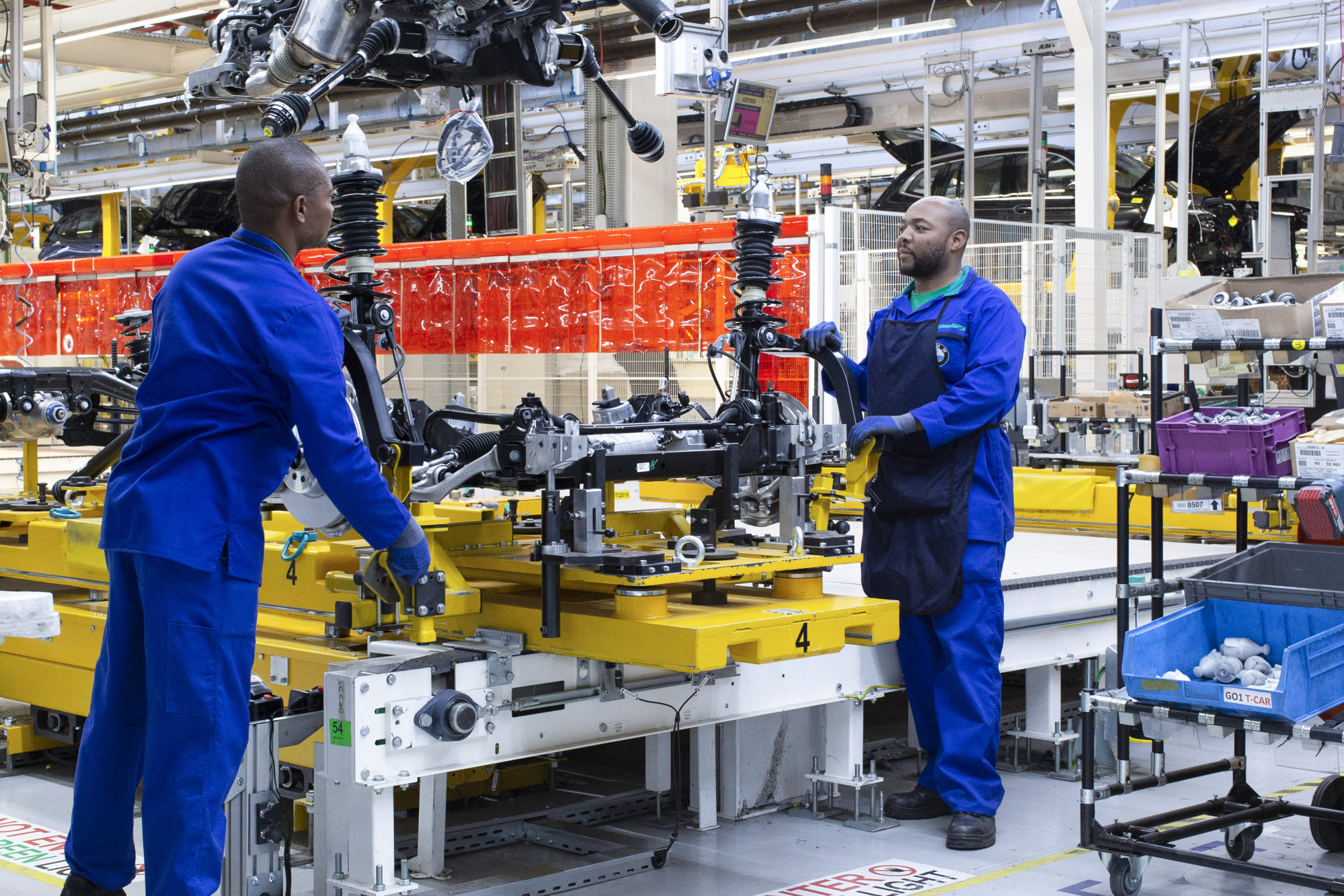
Zimbabwe’s manufacturing industry is becoming a major engine for the nation’s economic recovery, with more than US$1.4 billion in new investments directed toward expansion projects in 2025 alone.
While agriculture, mining, tourism, and trade have historically fueled Zimbabwe’s economy, the manufacturing sector is now emerging as a leading growth driver.
Recent data from the 2025 Mid-Term Budget Statement, as seen in AllAfrica, shows that manufacturing contributed 15.3% to GDP in 2024, overtaking mining at 14.5%, wholesale and retail trade at 11.9%, financial services at 10.8%, and agriculture at 9.3%.
According to Finance, Economic Development and Investment Promotion Minister Professor Mthuli Ncube: “These investments are driving structural transformation, import substitution and job creation as the nation accelerates towards Vision 2030.”
He also added, “We are witnessing unprecedented expansion across multiple value chains,” said Minister Ncube in a presentation at the Zanu-PF Annual People’s Conference in Mutare. “
The manufacturing boom is being felt across several industries, from steel and cement to pharmaceuticals and food processing, underscoring the growing confidence of investors in Zimbabwe’s business reforms.
As factories ramp up operations, employment in the sector has increased, now representing around 7% of formal jobs or approximately 3.2 million workers.
Economists believe these gains prove that the government’s reindustrialisation policies are producing tangible results.
Analyst Tinevimbo Shava noted that the revival is not limited to factory floors; related industries such as logistics, packaging, and retail are also benefiting.
Data from the Volume of Manufacturing Index (VMI) shows output has risen sharply, from 46.6% in 2019 to 140.5% in 2024, a jump of over 200%.
In the final quarter of 2024, the index reached 156.6, up 10.1% year-on-year. Meanwhile, average capacity utilisation increased from 51% at the end of 2024 to 57.3% in 2025, with many companies now running at nearly 60% of installed capacity.
Economist Gladys Shumbambiri-Mutsopotsi said this improvement reflects growing macroeconomic stability and consistency in policy implementation.
The number of registered pharmaceutical manufacturers has climbed from nine in 2020 to fourteen in 2025, boosted by over US$70 million in new investments.
See here: Manufacturers in Nigeria face the risk of declining funding
Exports have also grown by 20%, supported by the Medicines Control Authority of Zimbabwe’s World Health Organisation Level 3 certification, which allows local producers to enter regional and international markets.
In the steel sector, production now exceeds 50,000 metric tonnes per month, with more than 15,000 workers employed, an 11% increase compared to 2024.
The Dinson Iron and Steel Company in Manhize has become a regional powerhouse, creating over 2,000 jobs and providing opportunities for hundreds of small local suppliers through its Local Development Enterprise initiative.
Zimbabwe’s manufacturing resurgence is shaping up to be one of the strongest indicators of the country’s steady economic recovery and renewed investor confidence, a sign that the nation’s long-term industrial ambitions are beginning to take root.
