


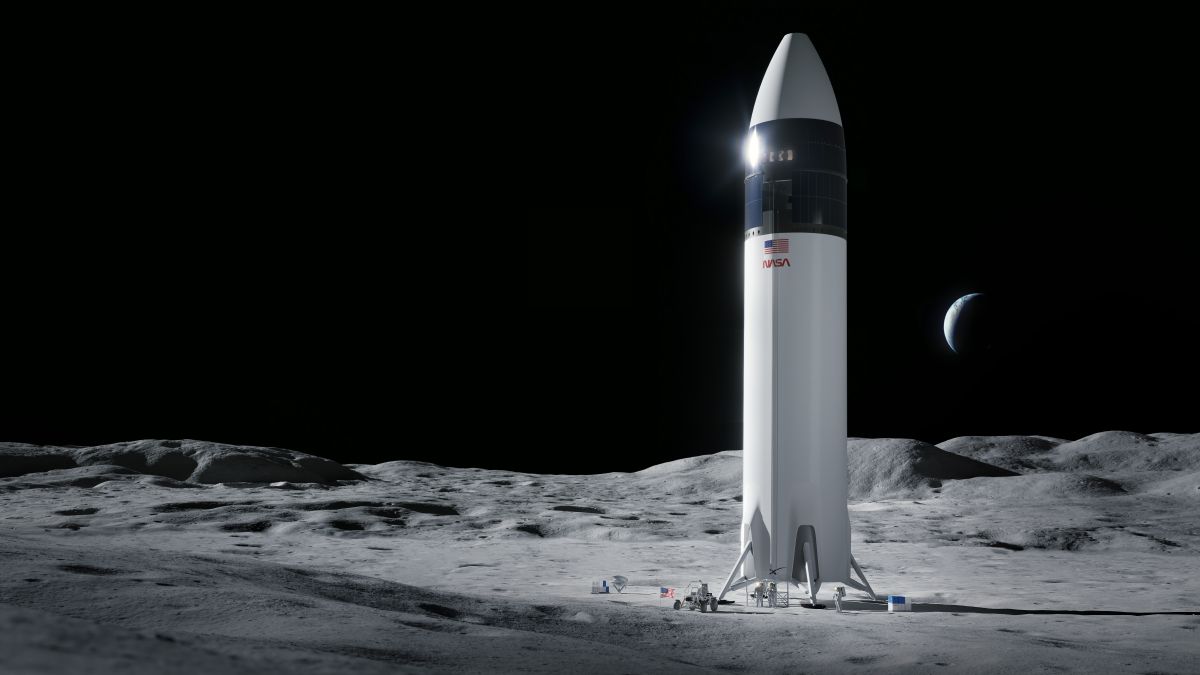
NASA’s Artemis II project has officially begun its voyage beyond Earth’s orbit, to carry humans around the Moon for the first time since 1972.
The Orion spacecraft completed a vital engine burn that set it on course for the Moon, a significant milestone in the mission.
The five-minute, 55-second fire, known as the translunar injection (TLI), propelled the spacecraft out of Earth’s orbit.
NASA reported that the maneuver went “flawlessly,” putting the astronauts on a looping path that will lead them around the far side of the Moon and back to Earth.
NASA’s Artemis II begins historic lunar journey
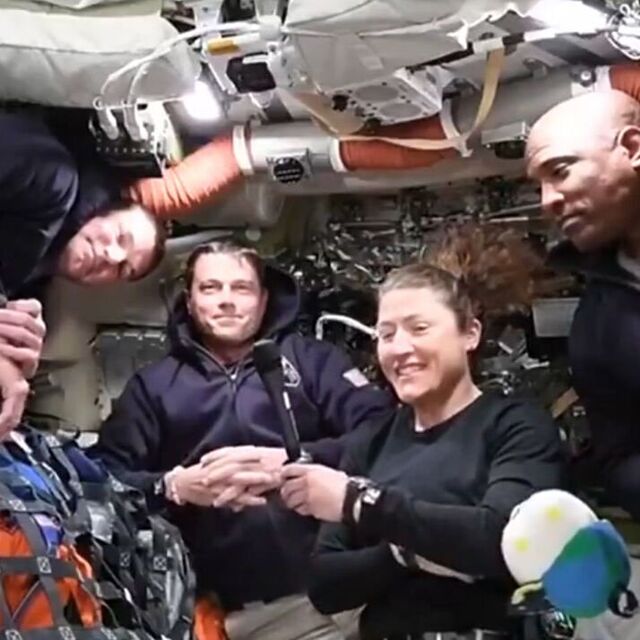
From within the Orion capsule, the crew reported a powerful and sustained shift as the spacecraft gained speed.
Canadian astronaut Jeremy Hansen, the first non-American assigned to a lunar mission of this kind, stated that the team was in good shape and focused as they began their voyage.
“Humanity has once again shown what we are capable of,” he said.
“It’s your hopes for the future that carry us now on this journey around the Moon,” he added.
With this maneuver completed, Artemis II is now on a wide, looping path that will take her around the far side of the Moon before returning to Earth.
The mission marks the first time humans have flown beyond low Earth orbit since the Apollo period, with the previous excursion taking place in 1972, BBC reports.
As Orion progresses deeper into space, pictures from the spaceship show Earth progressively receding in the distance, a stark reminder of how far the crew has already traveled.
Engineering milestones and mission trajectory of the Artemis II
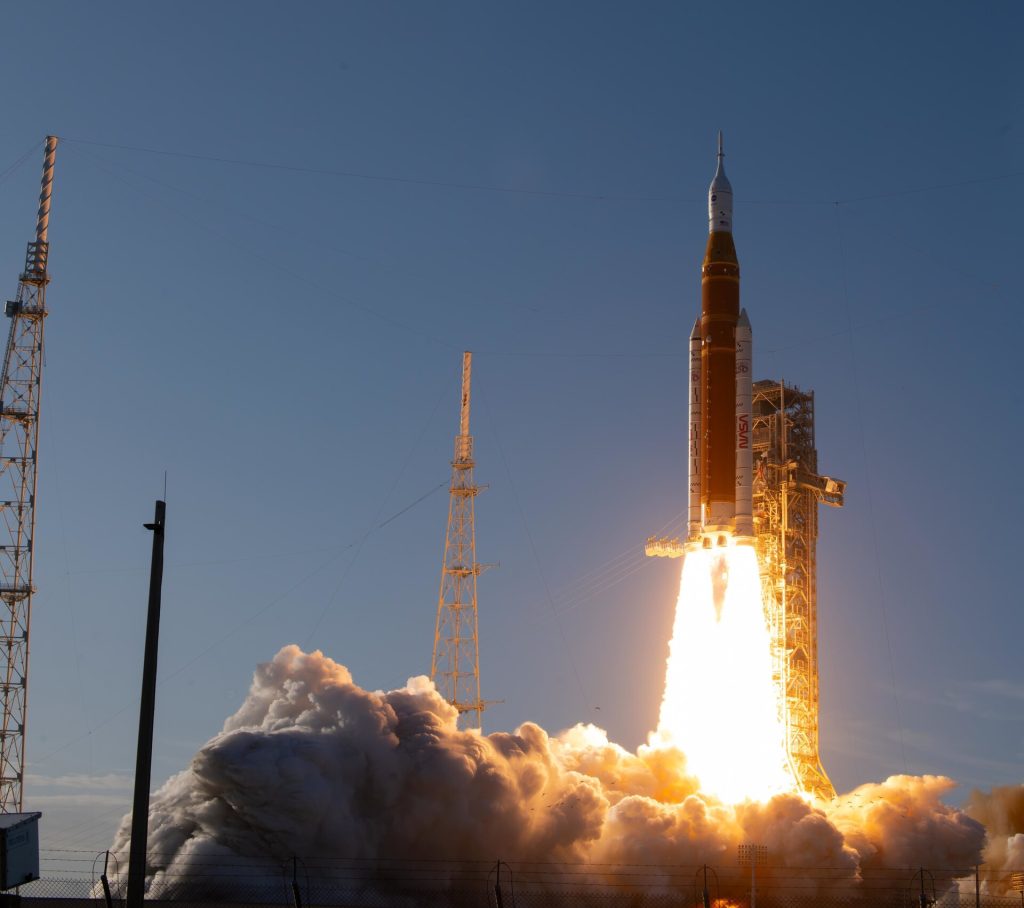
Before committing to the lunar course, the spacecraft spent nearly a day in an extended orbit around Earth, allowing engineers to test the propulsion, navigation, and life-support systems.
The engine burn was carried out by Orion’s service module, which produced a sustained push, considerably increasing the spacecraft’s velocity.
This boost will propel the crew farther than any previous human mission, potentially beating the distance record set by the Apollo 13 mission in 1970 by more than 4,700 miles (7,600 kilometers) beyond the moon, depending on final trajectory changes.
See here: Egypt puts home-built satellite into orbit as local aerospace manufacturing gains momentum
Despite the commitment to a lunar path, mission controllers have added layers of freedom. In the early stages of the journey, it is still possible to turn back and return to Earth fast if necessary.
In the first 36 hours following the burn, a quick turnaround remains the best option in the event of a significant problem.
Beyond that window, it may be more efficient to continue around the Moon and use its gravity to return home.
Artemis II is more than just a technological mission; it represents humanity’s fresh push into deep space. As the spacecraft continues its trip, it transports not only its passengers but also the hopes for a new era in lunar exploration.
