
Close Menu
Makers

    Subscribe to Updates

    Get the latest creative news from FooBar about art, design and business.

    What's Hot

    Commonwealth Fusion Systems expects SPARC reactor operational by late 2026

    June 20, 2026

    King Charles III honors four Enginuity leaders in 2026 Birthday Honours

    June 19, 2026

    International Federation of Robotics confirms 11% US robot installation increase in 2025

    June 19, 2026
    Facebook X (Twitter) Instagram
    Makers Friday, June 26
    • Send us an email
    Facebook X (Twitter) Instagram LinkedIn
    • Homepage
    • About us
    • News

      Chinese investment signals growing confidence in Egypt’s manufacturing sector

      June 9, 2026

      The AI startup taking on jet engines, chips, and Jeff Bezos’ new industrial lab

      June 8, 2026

      Egypt inaugurates a production project to generate as much as $500 million yearly

      June 8, 2026

      Nigeria to build 70,000 electric vehicles annually under ambitious $95 million plan

      June 6, 2026

      Mercedes unveils what it calls an ‘armoured private jet on wheels’

      June 5, 2026
    • Features
    • Contact
    Makers
    Email us
    Home»Features»Refinery versatility: How Dangote’s fuel plant also doubles as a chemical hub for cleaning
    Features

    Refinery versatility: How Dangote’s fuel plant also doubles as a chemical hub for cleaning

    Ned NwosuBy Ned NwosuFebruary 8, 2026No Comments3 Mins Read26 Views
    Facebook Twitter Pinterest Telegram LinkedIn Tumblr Copy Link Email
    Follow Us
    Google News Flipboard
    Share
    Facebook Twitter LinkedIn Pinterest Email Copy Link

    By using one of its lesser-known outputs, surfactants, the 650,000-barrel-per-day Dangote Refinery is setting the stage for a move beyond fuels and entering Nigeria’s detergent and home care sector.

    The refinery is looking for ways to turn these chemical streams into final consumer goods rather than throwing them away or exporting them at low profit margins. 

    By converting all usable output, not just gasoline, diesel, or aviation fuel, into a revenue stream, the method represents a more comprehensive change in how major refining complexes extract value.

    The Dangote refinery’s CEO, David Bird, has revealed plans to leverage its surfactants to break into the detergent industry. 

    “I am very pleased today to announce that we have been in deep discussions with a licensor and just about to finalize the commercial terms for installing a linear alphabet benzene plant,” he said.

    “And this is the surfactant; this is what makes the bubbles in detergent. So, as you know, with Dangote, we evaluate business opportunities by what demand is driven by pure population,” he added. 

    Surfactants: The core of the cleaning world 
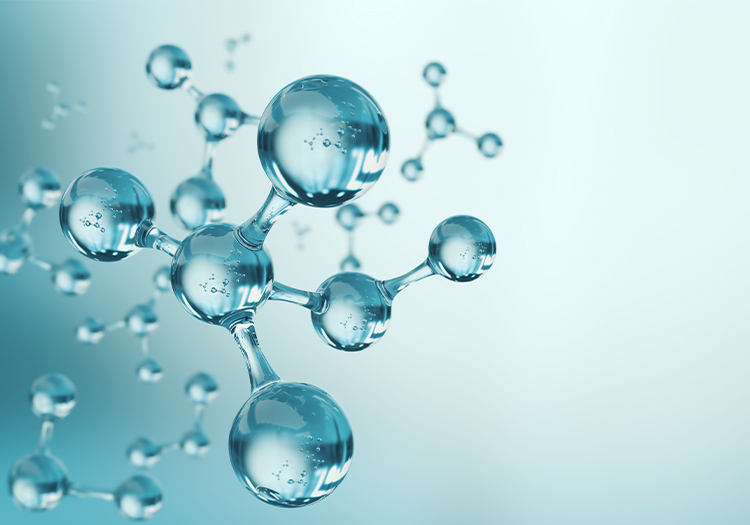
    An essential component of detergents, soaps, shampoos, and industrial cleaners is surfactants. 

    They are the substances that enable the mixing of water and oil, which lift and wash away grease and grime from surfaces. 

    Surfactants are at the core of the global cleaning goods market, despite the fact that most customers never consider them.

    Surfactants are produced from hydrocarbon streams that would otherwise have little value on their own at a refinery the size of Dangote. 

    Long-chain molecules that can form bonds with both water and oil are created from these streams. 

    Surfactants have a dual purpose that allows them to clean since one end of the molecule is drawn to water while the other clings to grease.

    The process of making surfactants 

    Inside a refinery, crude oil is first divided into many components. Some of these components are not suitable for fuel production but are excellent for producing cleaning chemicals. 

    See here: India set to lead the expansion of Africa’s largest fuel manufacturing outfit

    These are the beginning elements for surfactants.

    The refinery then selects oil-based chains that adhere effectively to grease and grime.

    These chains comprise one side of a surfactant, the component that binds to oil. Next, the oil-based chains are modified to function in water.

    This is accomplished by adding chemical components to the molecule, resulting in a second side that prefers water. Once this occurs, the compound can attract dirt and wash it away.

    Once this occurs, the compound can attract dirt and wash it away.

    After that, the material is changed to ensure its safety, stability, and effectiveness. This stage determines whether the surfactant will be strong or gentle, depending on its intended application.

    The final surfactant can then be adjusted for a variety of applications, including laundry detergents, dishwashing solutions, and industrial cleaners. 

    Instead of wasting these materials or selling them cheaply, the refinery may turn them into common cleaning products.

    Aliko Dangote Dangote Refinery Detergents Nigeria Surfactants
    Follow on Google News Follow on Flipboard
    Share. Facebook Twitter Pinterest LinkedIn Telegram Email Copy Link
    Ned Nwosu

    Related Posts

    Nigeria to build 70,000 electric vehicles annually under ambitious $95 million plan

    June 6, 2026

    Foreign investment in Nigeria’s manufacturing sector dips

    June 5, 2026

    African healthcare supplier plans local production to reduce import dependence

    June 2, 2026
    Leave A Reply Cancel Reply


    The reCAPTCHA verification period has expired. Please reload the page.

    Recent Posts

    • Commonwealth Fusion Systems expects SPARC reactor operational by late 2026
    • King Charles III honors four Enginuity leaders in 2026 Birthday Honours
    • International Federation of Robotics confirms 11% US robot installation increase in 2025
    • US and Iran sign MOU to reopen Strait of Hormuz on June 19
    • Antonio Neri and Jensen Huang expand AI factory portfolio at HPE Discover 2026
    Stay In Touch
    • Facebook
    • Twitter
    • Pinterest
    • Instagram
    • YouTube
    • Vimeo

    Subscribe to Updates

    Get the latest creative news from SmartMag about art & design.

    About Us
    About Us

    Makers is Nigeria’s premier digital platform dedicated to manufacturing related news and content across Africa.

    Facebook X (Twitter) Instagram LinkedIn
    News

    Chinese investment signals growing confidence in Egypt’s manufacturing sector

    June 9, 2026

    The AI startup taking on jet engines, chips, and Jeff Bezos’ new industrial lab

    June 8, 2026

    Egypt inaugurates a production project to generate as much as $500 million yearly

    June 8, 2026
    Features

    Zimbabwe turns lithium export ban into a $1 billion manufacturing push

    May 31, 20267 Views

    How Dakar’s advanced lab manufacturing systems helped decode a deadly virus in 24 hours

    May 23, 20266 Views

    Africa in sight as Ukraine looks for new manufacturing partners to help with its weapons system

    May 16, 20263 Views
    • Homepage
    • News
    • Features
    • Get In Touch
    • Privacy Policy
    • Cookie Policy
    Makers © 2026. All right reserved.

    Type above and press Enter to search. Press Esc to cancel.