


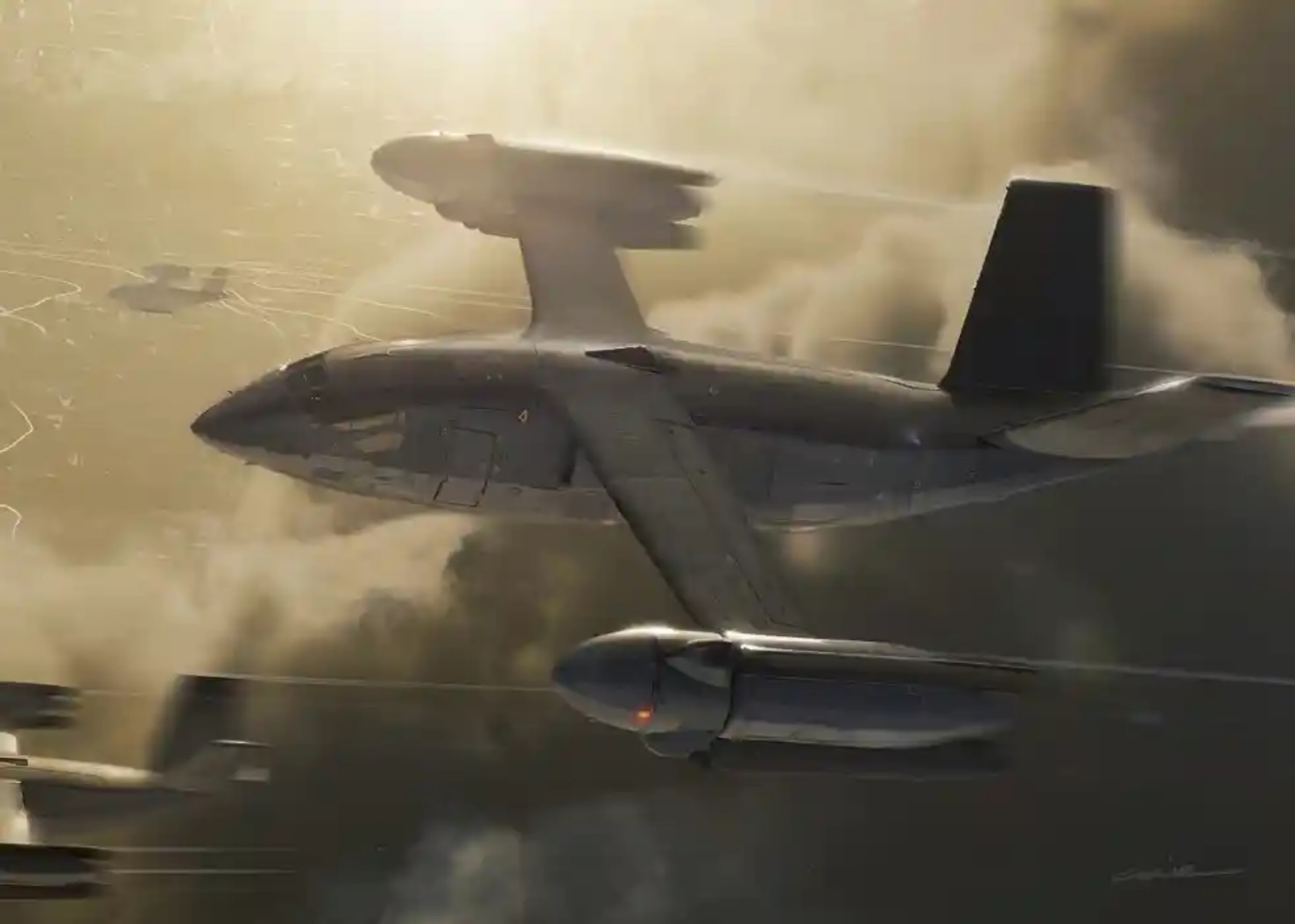
Imagine a plane that zooms through the sky at speeds faster than many commercial jets, yet can lift off and land straight up and down like a helicopter, without needing a long runway.
This isn’t science fiction; it’s the goal of the X-76, the latest experimental aircraft unveiled by the U.S.
Defense Advanced Research Projects Agency (DARPA), a government organization founded in 1958 to create cutting-edge technologies for national security, often leads to inventions that benefit the world, like the early internet.
The X-76, announced on March 9, 2026, is part of DARPA’s Speed and Runway Independent Technologies (SPRINT) program, which kicked off its first phase on November 1, 2023. SPRINT is a partnership with the U.S. Special Operations Command (USSOCOM), the military branch handling elite missions worldwide.
See here: Small engine, big power: A look at the SUV Nigerians are fast-growing accustomed to
The program tackles a problem that’s puzzled aviation experts since the late 1940s, when the U.S. started its famous X-plane series; experimental aircraft that have tested wild ideas, from breaking the sound barrier with the X-1 in 1947 to stealth designs in later years.
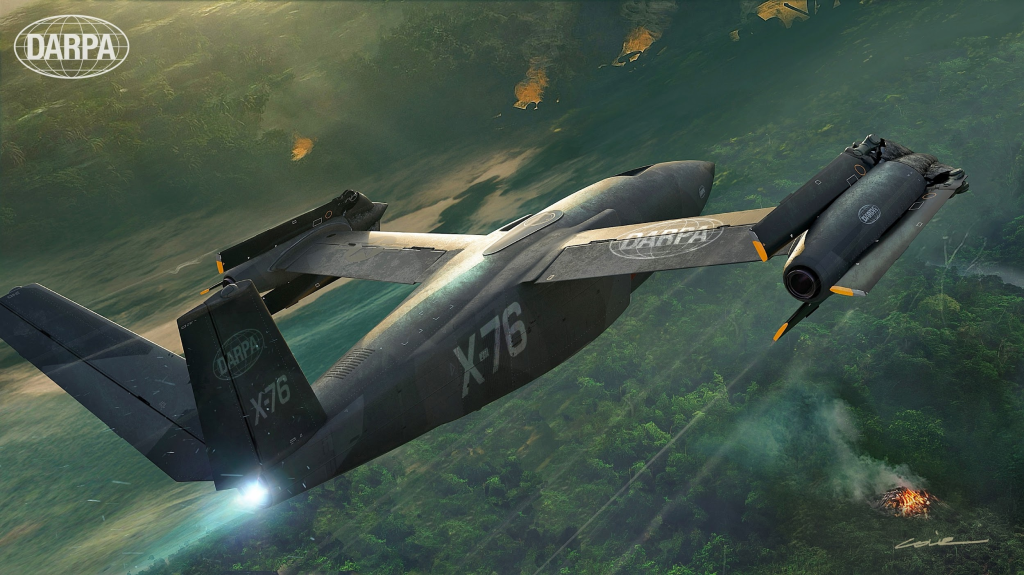
Traditional planes fly fast but need flat, long runways, while helicopters can land anywhere but move slowly. The X-76 aims to combine the best of both, cruising at 400 to 450 knots (about 740 to 830 kilometers per hour) while hovering and operating from rough spots like fields or city clearings.
Built by Bell Textron (a company with roots in aviation since the 1930s and famous for helicopters like the Huey used in the Vietnam War era), the X-76 just passed a major milestone called the Critical Design Review on March 9.
This review, completed after Bell was selected in July 2025 from competitors like Aurora Flight Sciences, confirms the blueprint is solid and ready for construction.
The plane uses clever “stop-fold” rotors: large spinning blades on the wingtips provide lift for vertical takeoff, then fold away to cut wind resistance during fast forward flight, powered by jet engines. Picture it as a shape-shifter in the air, adapting on the fly.
In a world where conflicts and disasters often happen in hard-to-reach places (remote islands, dense jungles, or urban zones without airports), the X-76 could change how help arrives.
For soldiers on special missions, it means quicker, safer insertions without relying on vulnerable runways, potentially saving lives in operations that date back to World War II-style rapid deployments.
However, the ripple effects go global: technologies like this could inspire civilian uses, such as delivering aid to flood-hit villages in Southeast Asia or medical supplies to isolated communities in Africa’s mountainous regions.
With its name honoring America’s 250th anniversary in 2026 (echoing the revolutionary spirit of 1776), the X-76 represents not just military might, but a step toward more agile, efficient travel that could make the world feel smaller and safer for everyone.
Testing begins soon, with the first flight eyed for early 2028. As DARPA pushes boundaries, the X-76 reminds us how innovations from the past, like the X-15’s hypersonic flights in the 1960s, pave the way for tomorrow’s everyday tools.
